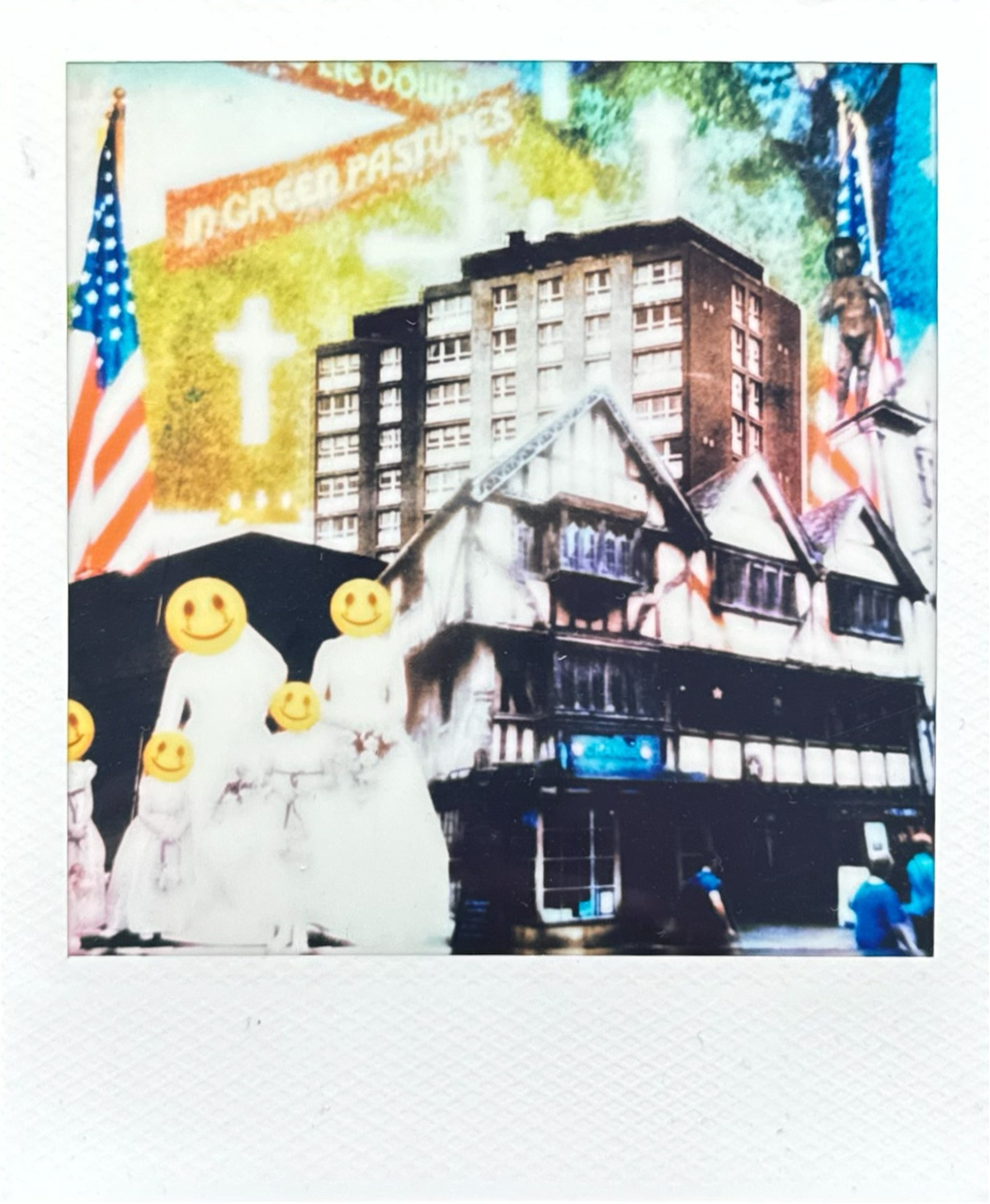
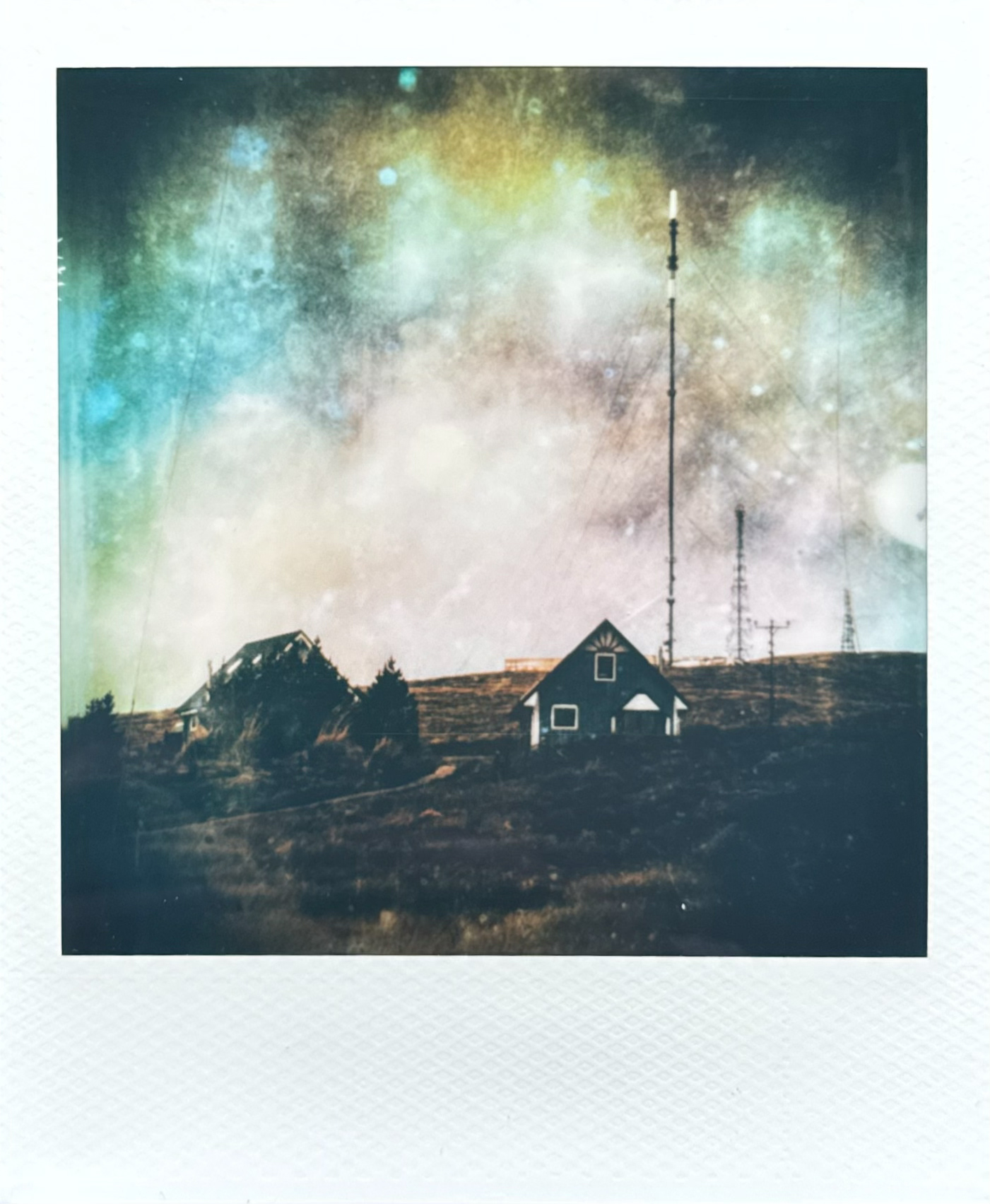
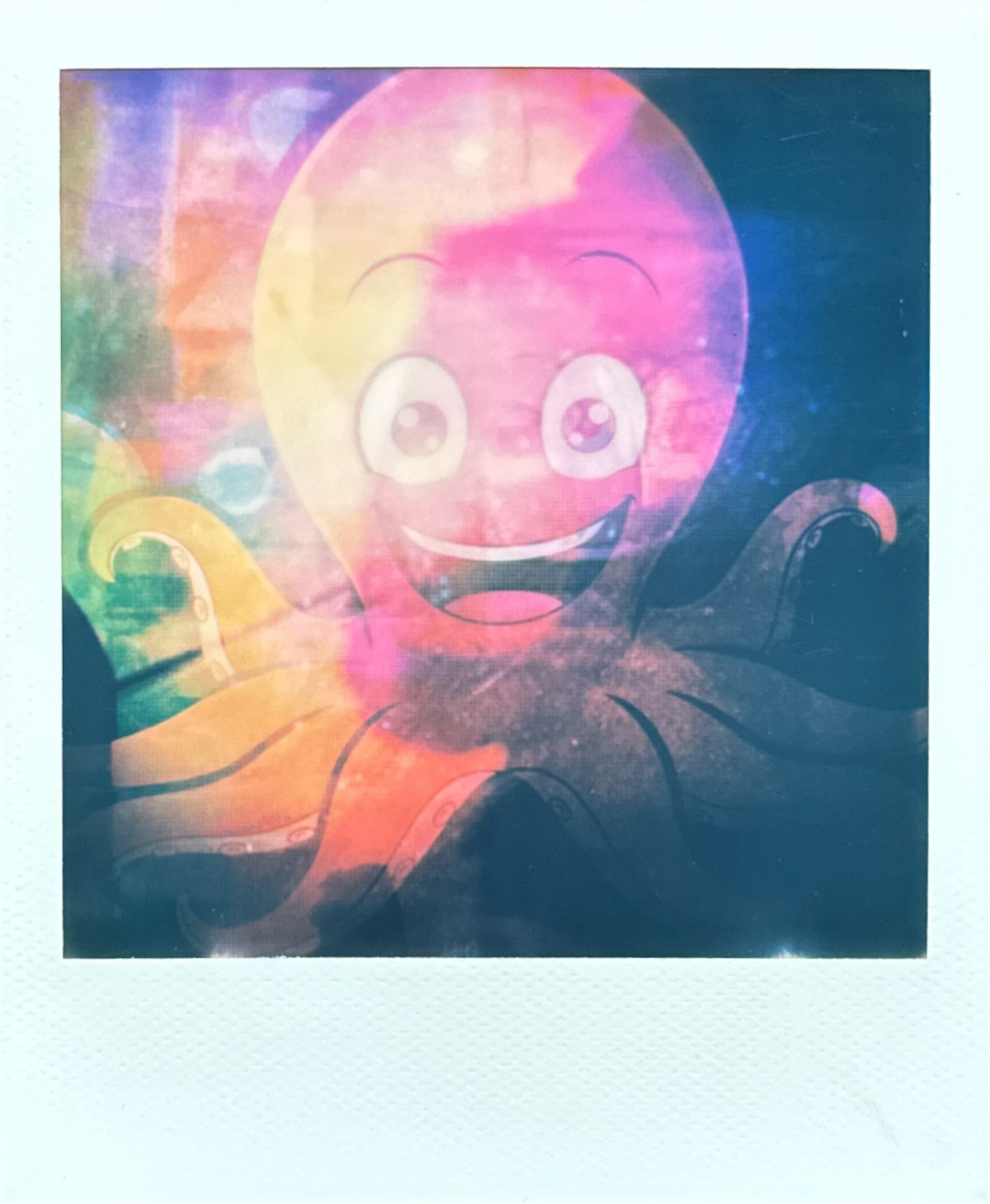
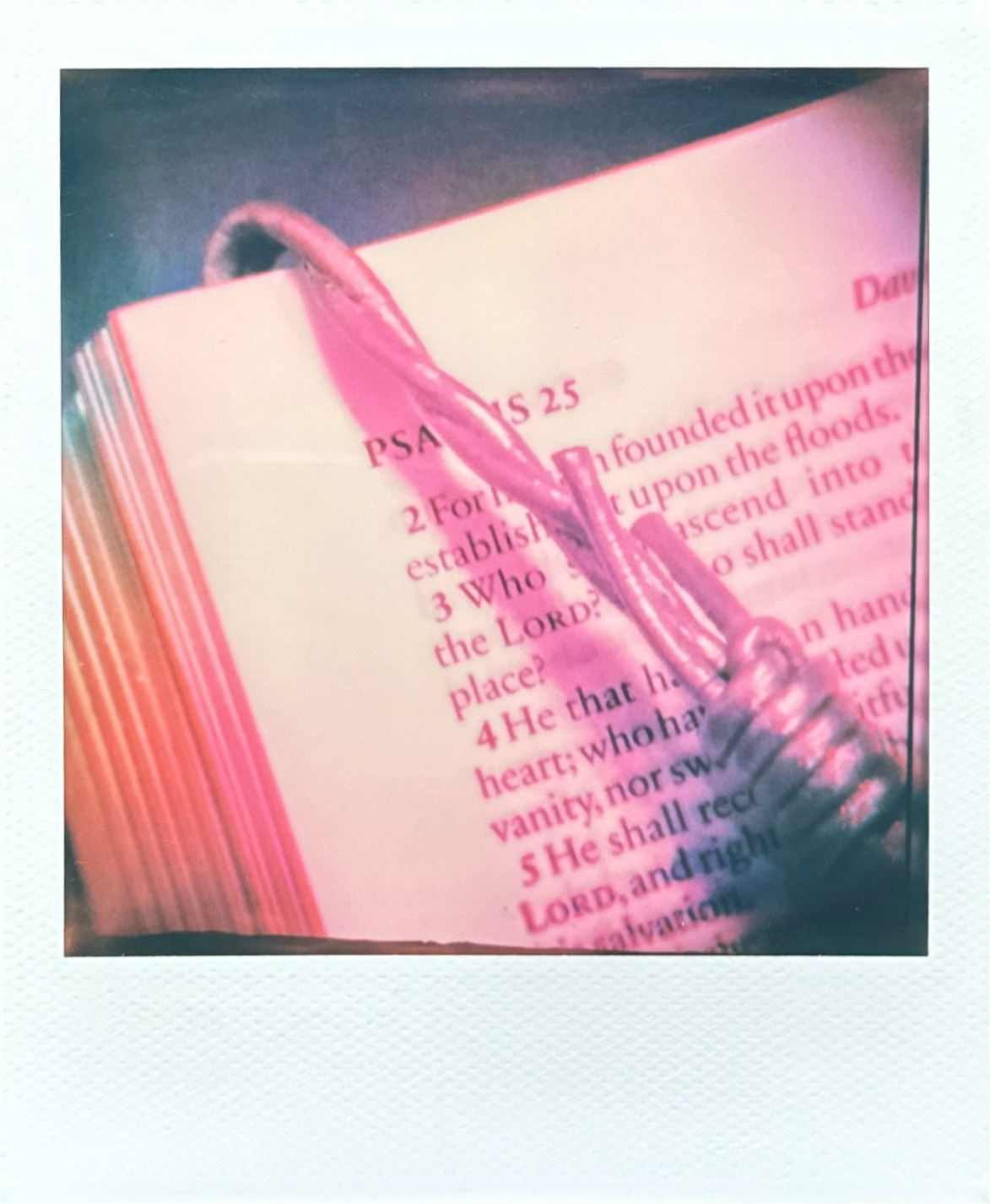
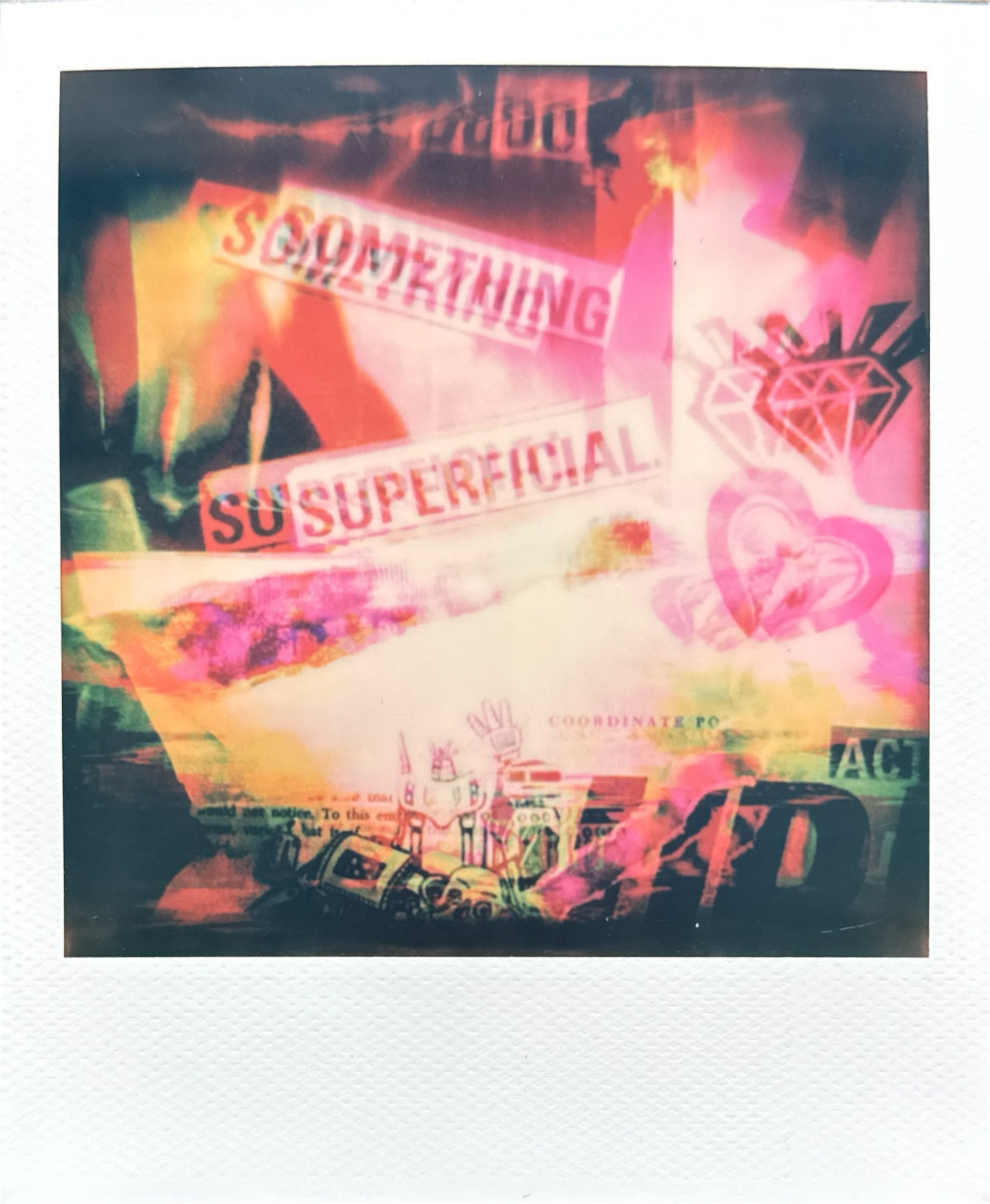
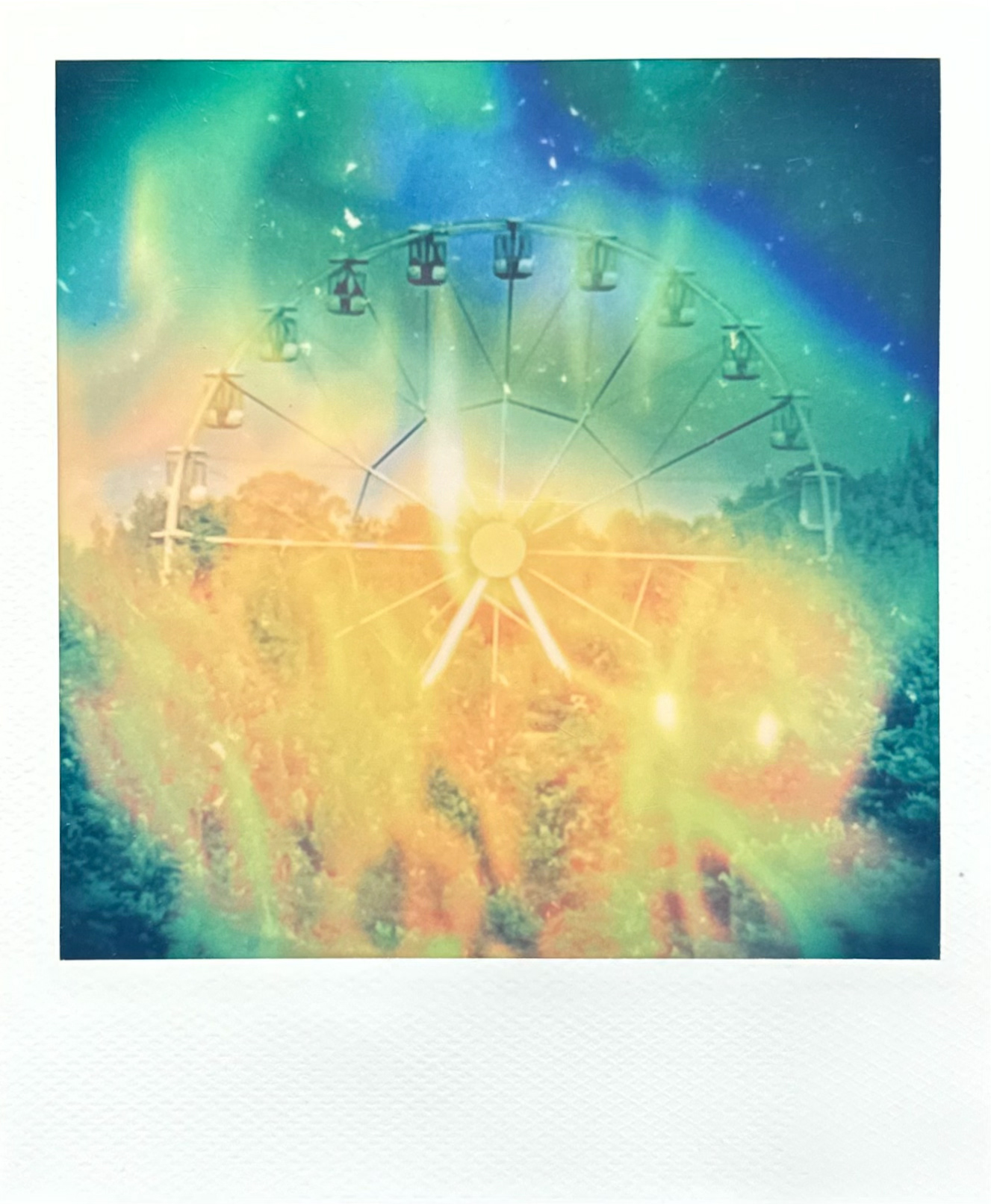
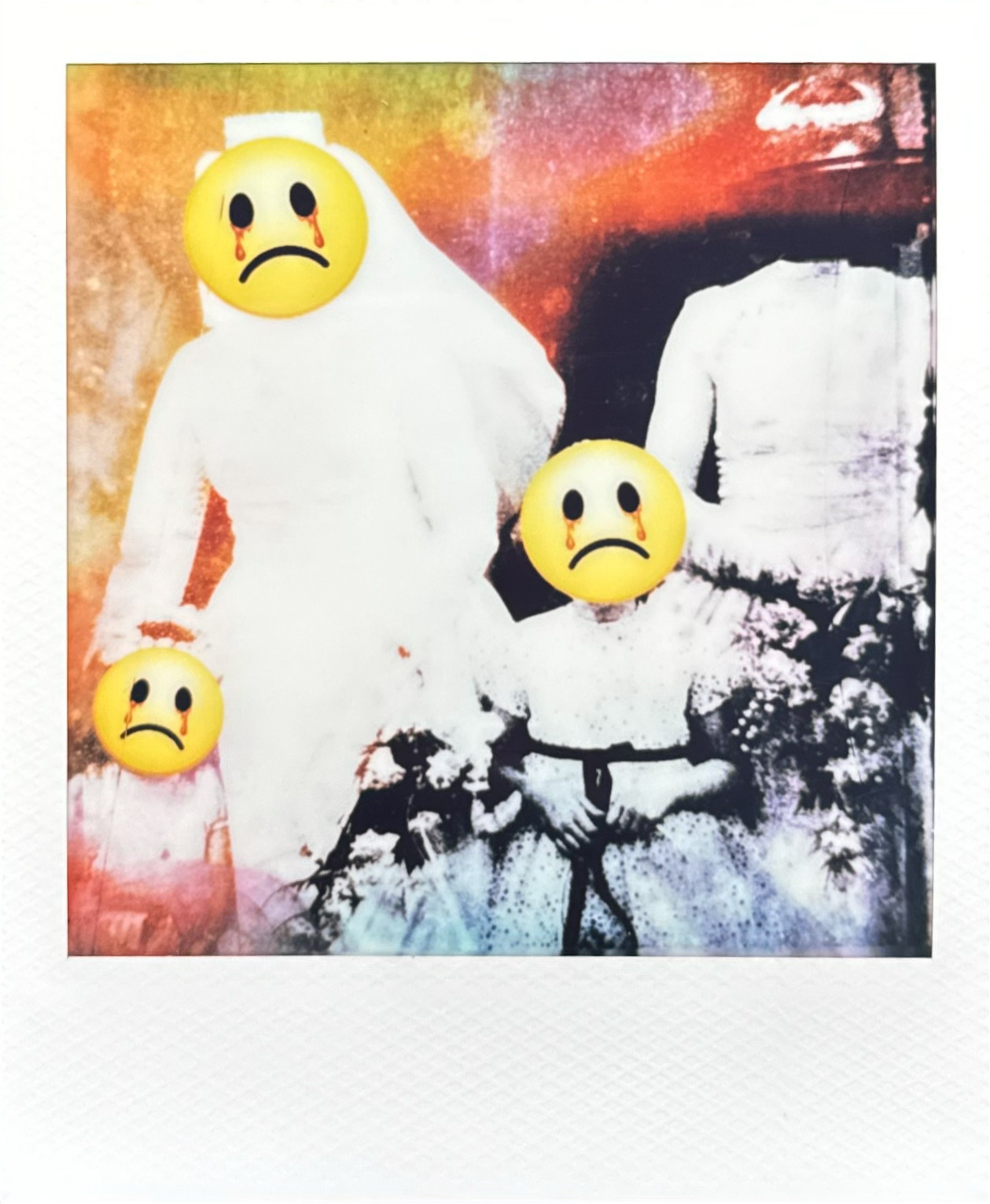
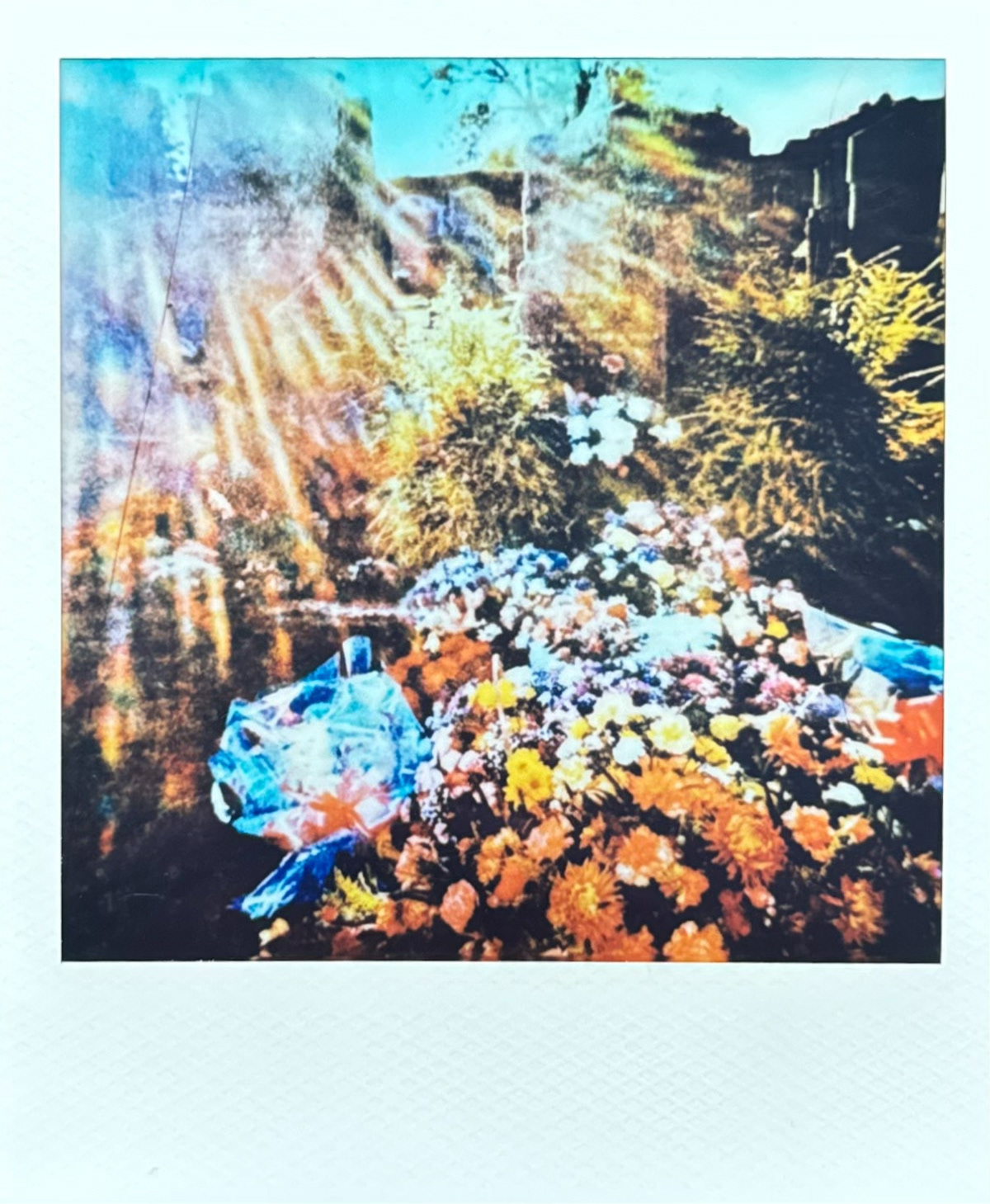
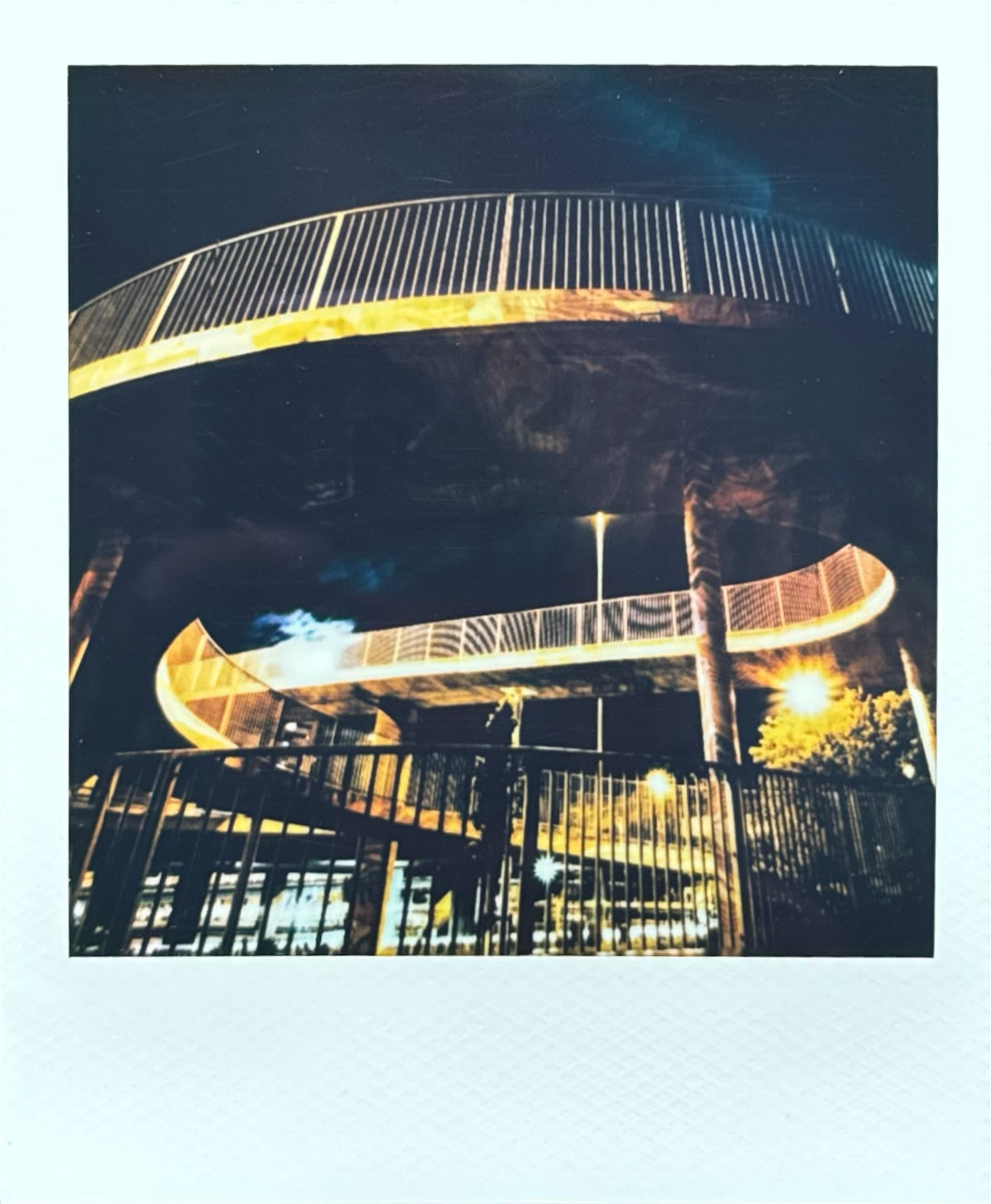
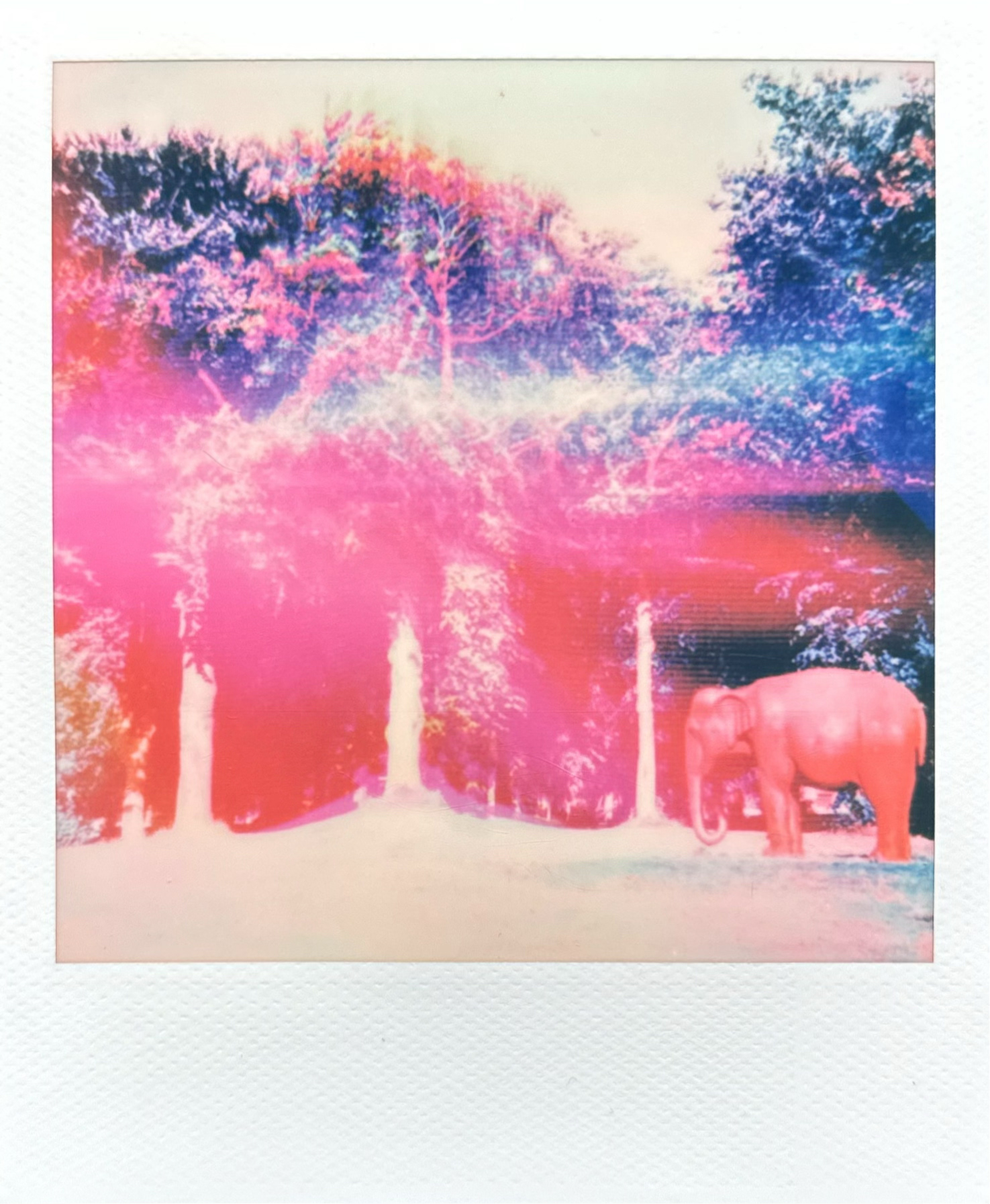
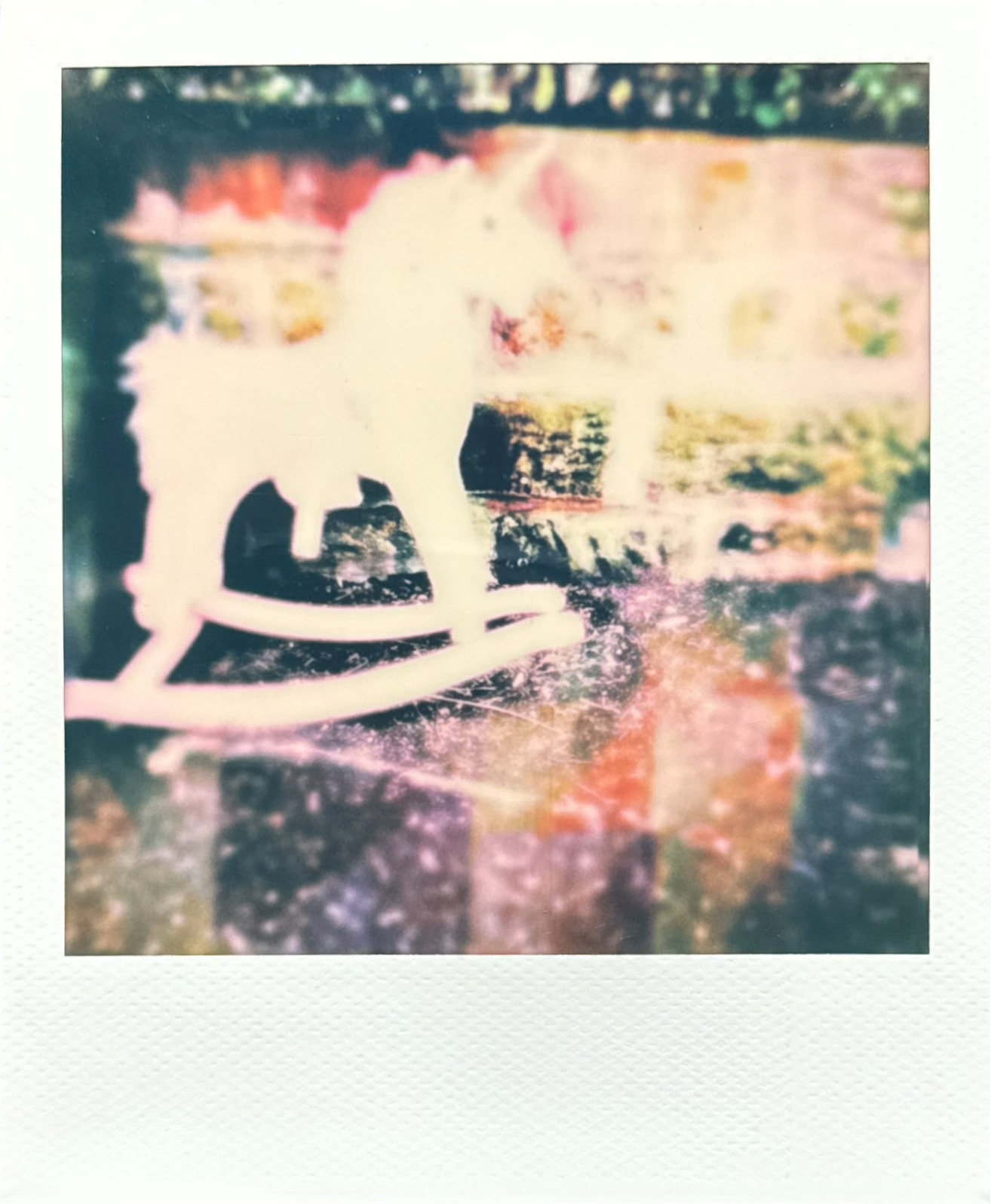
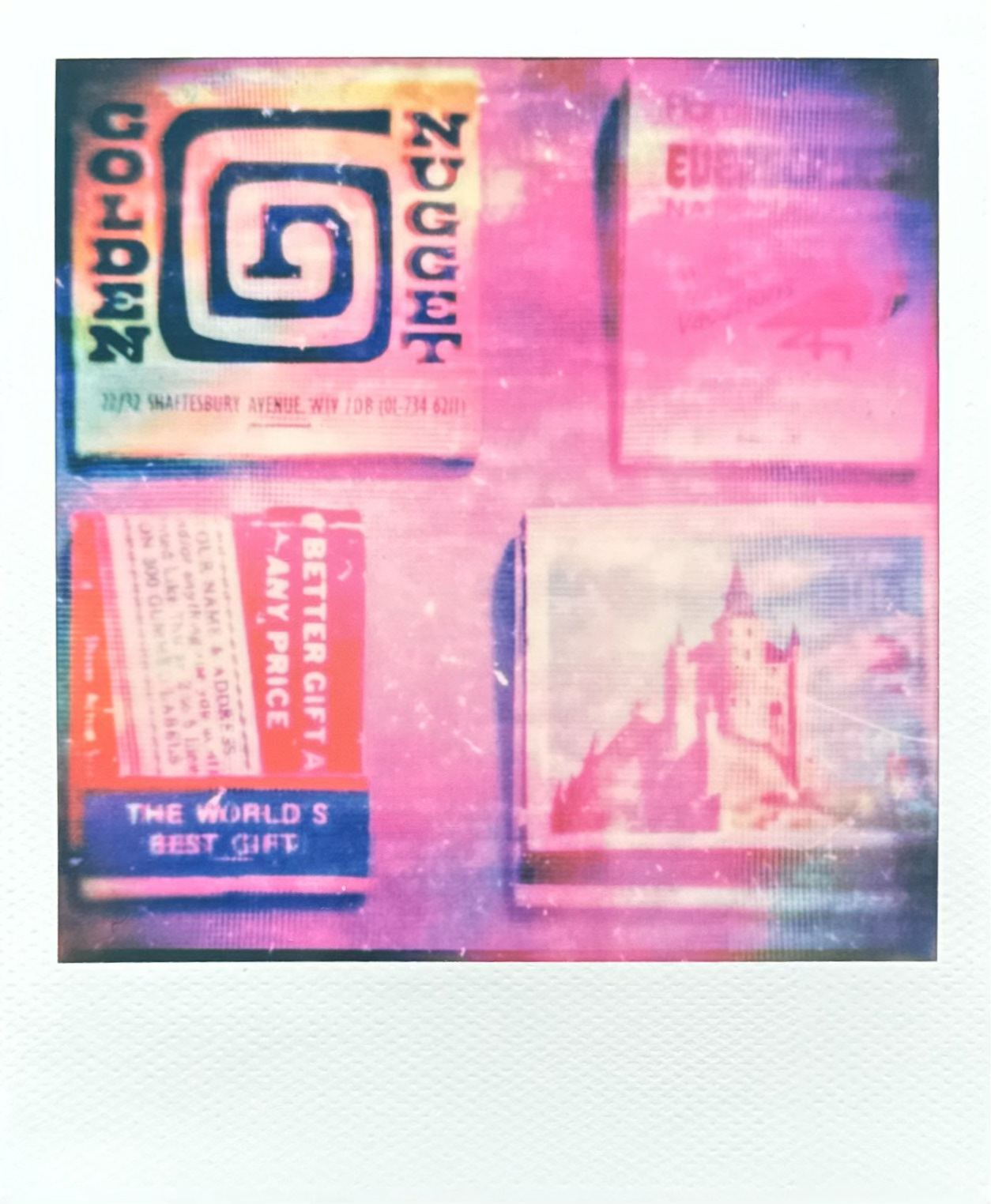
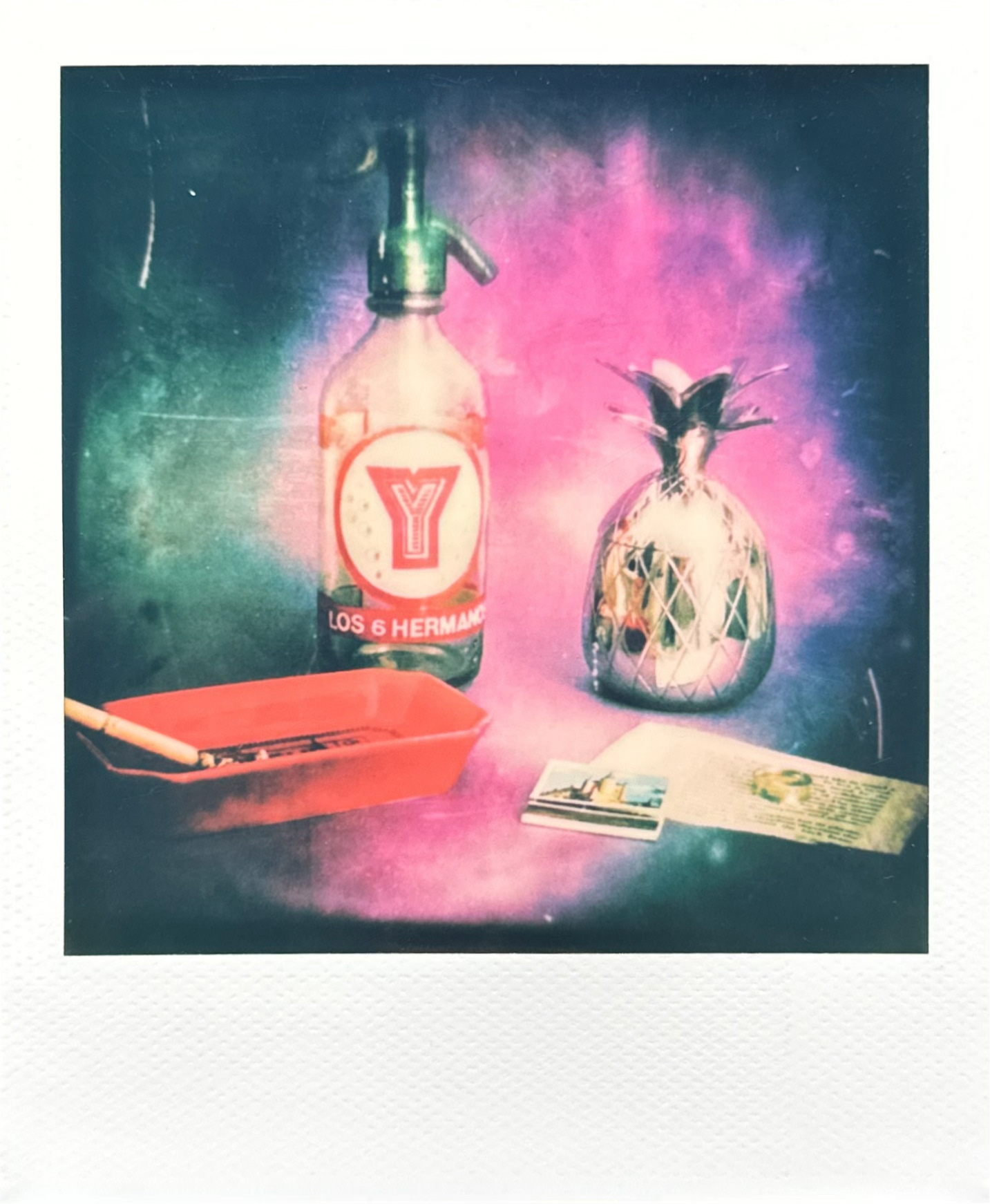
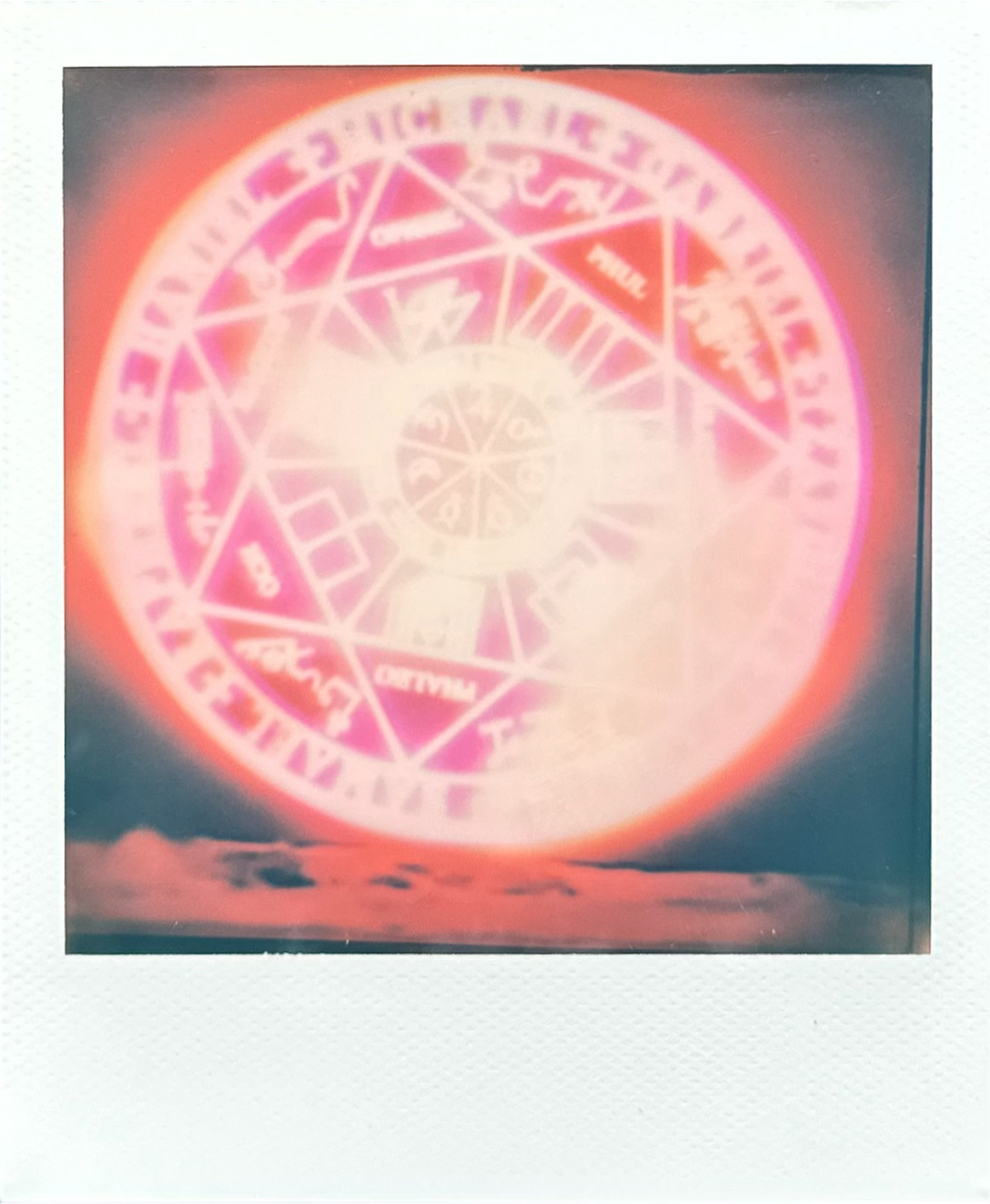
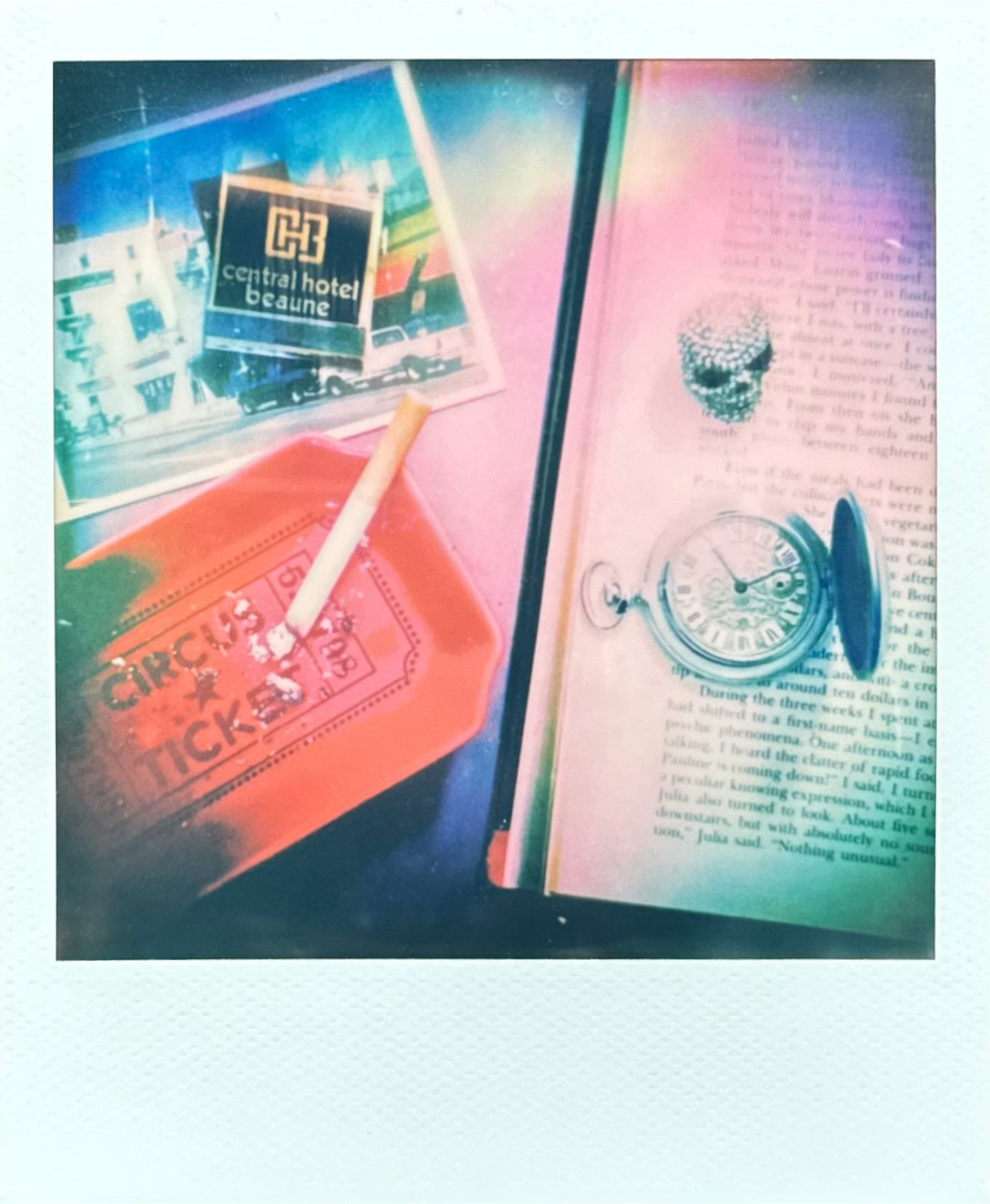
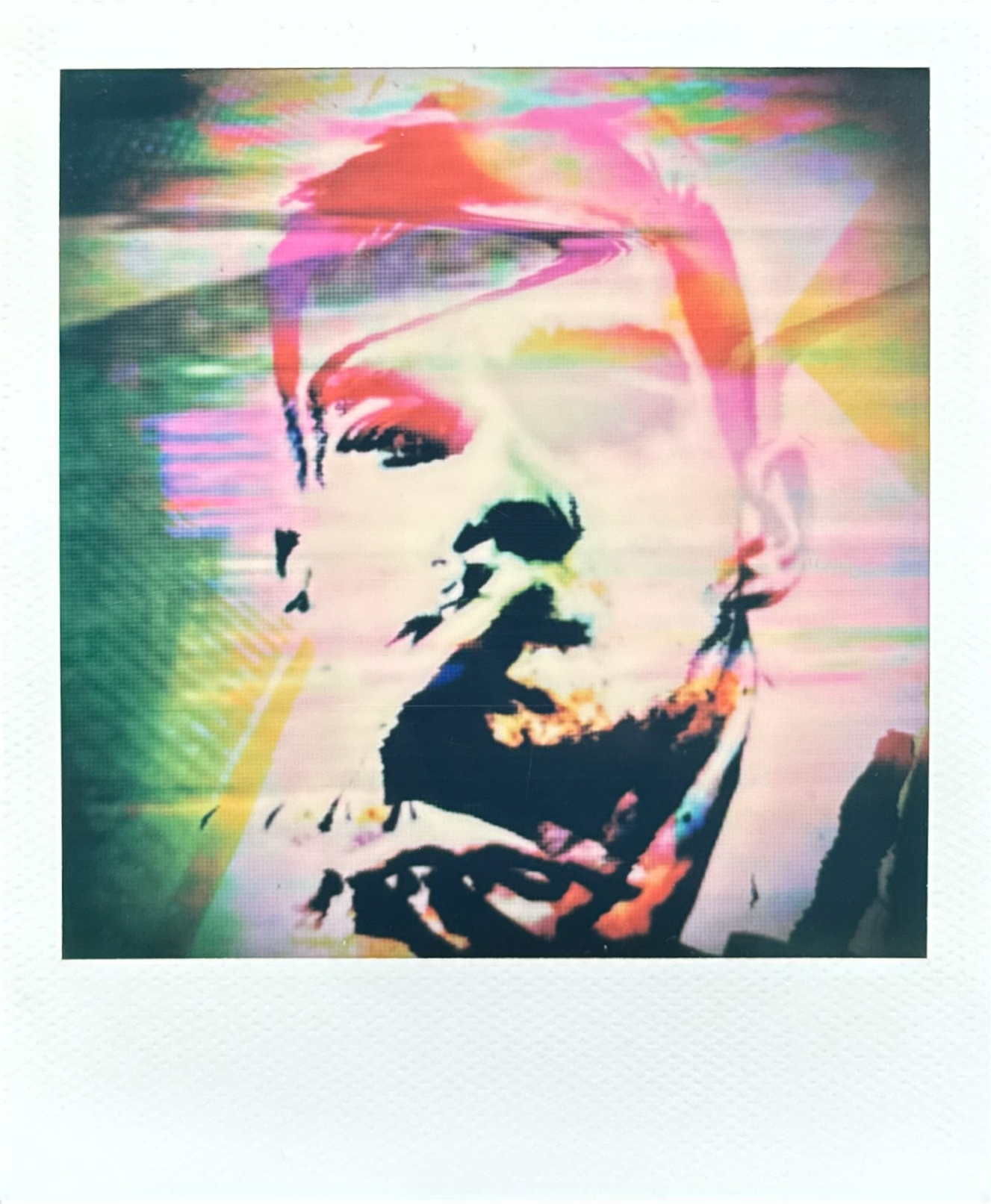
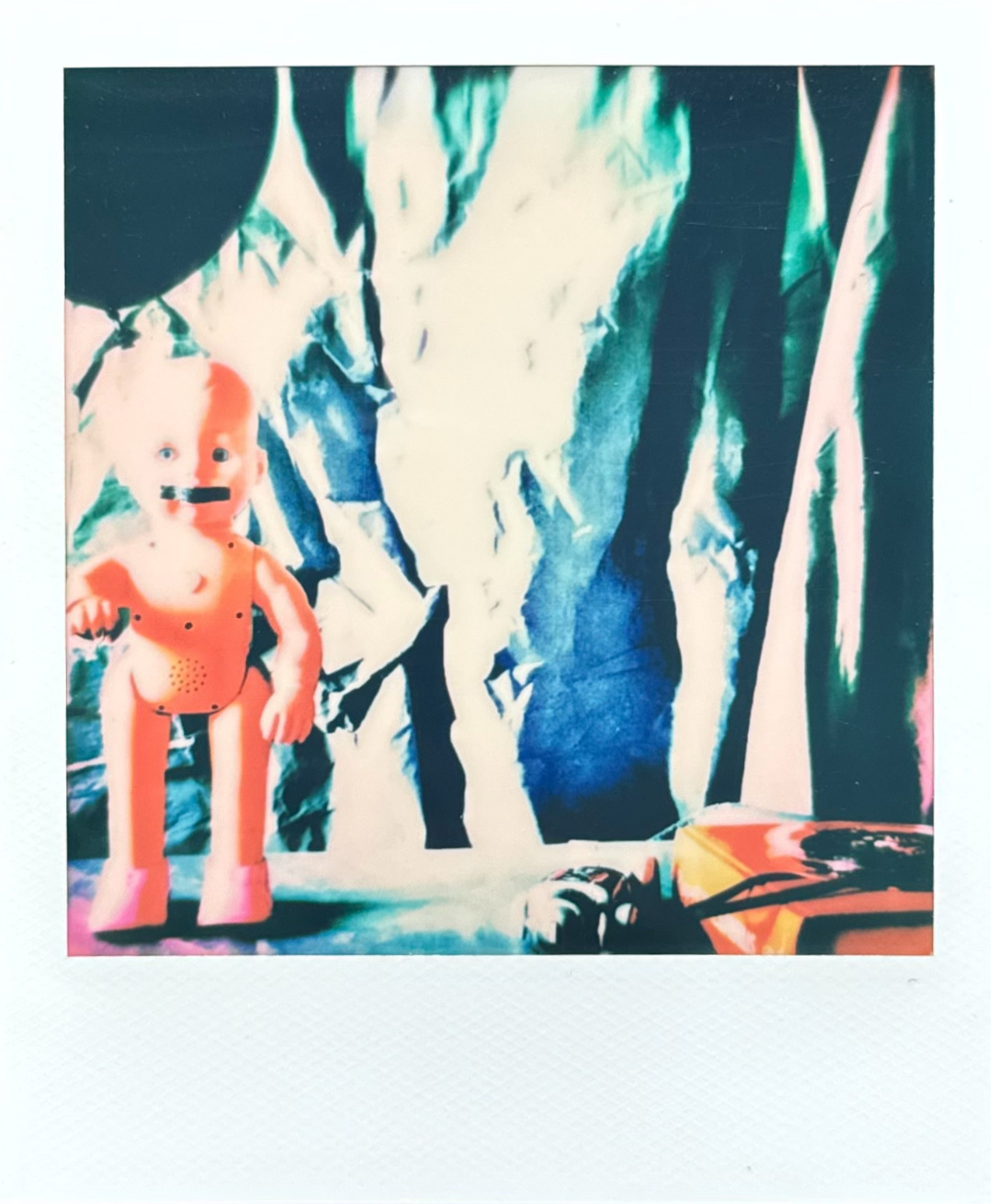
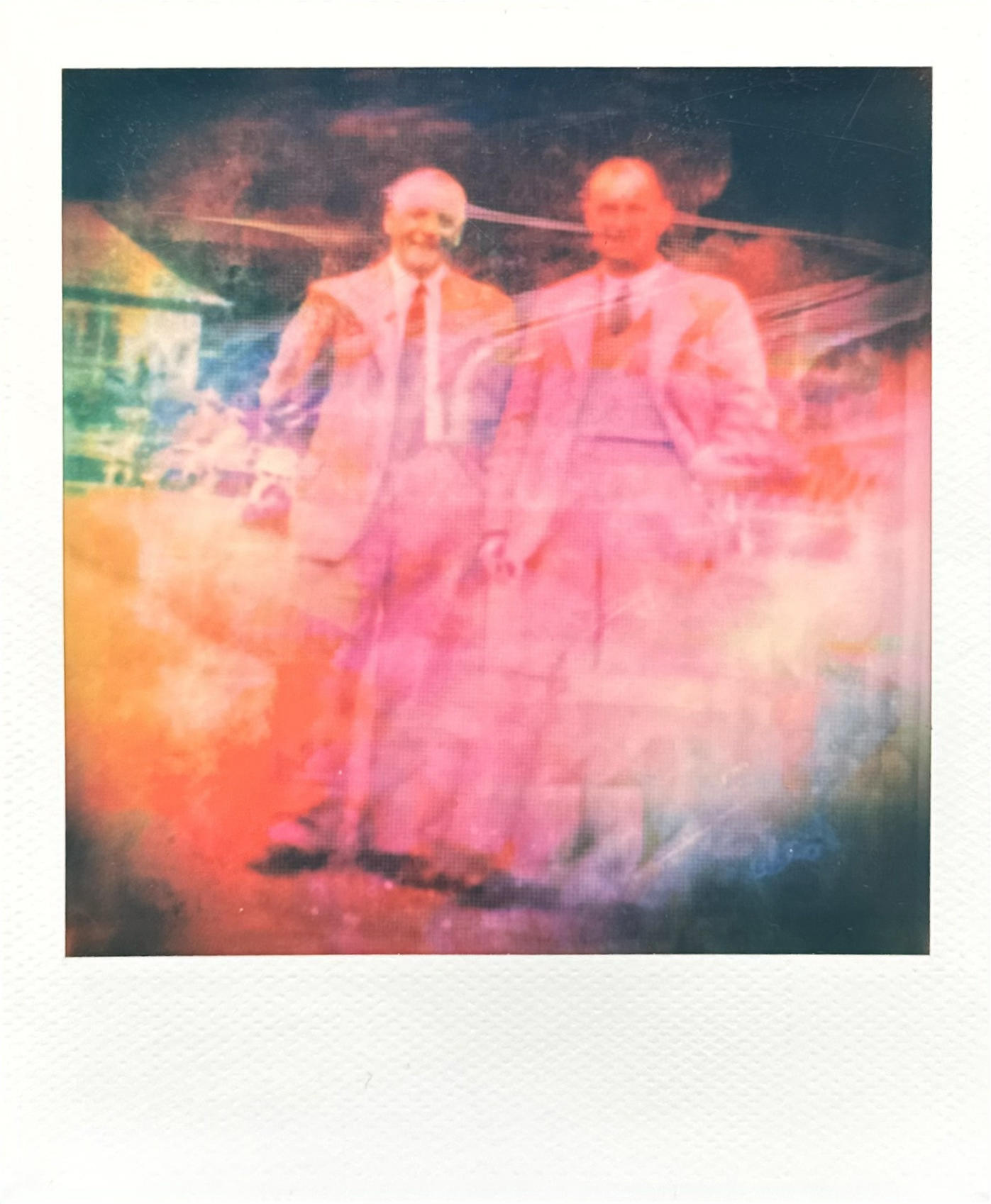
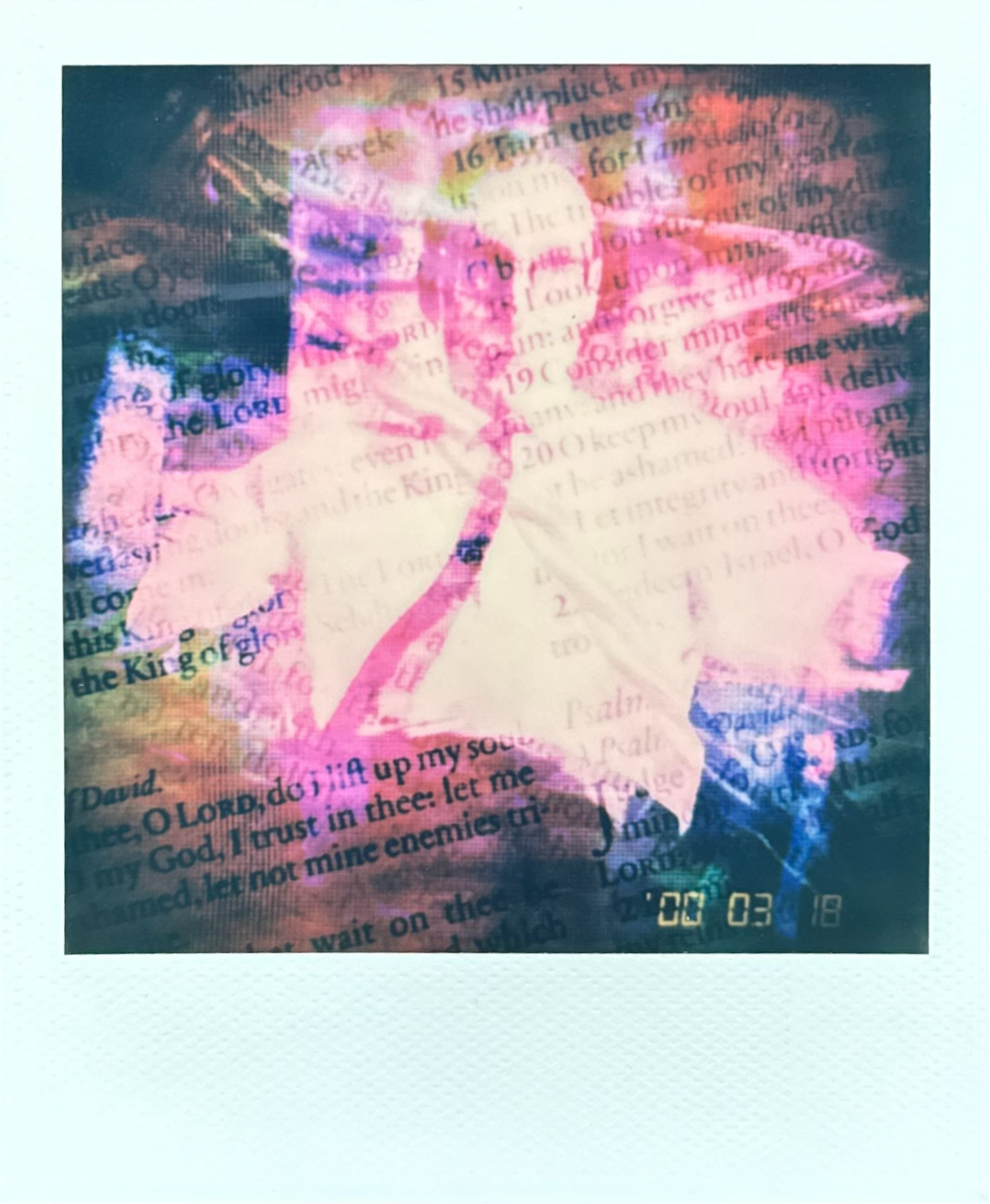
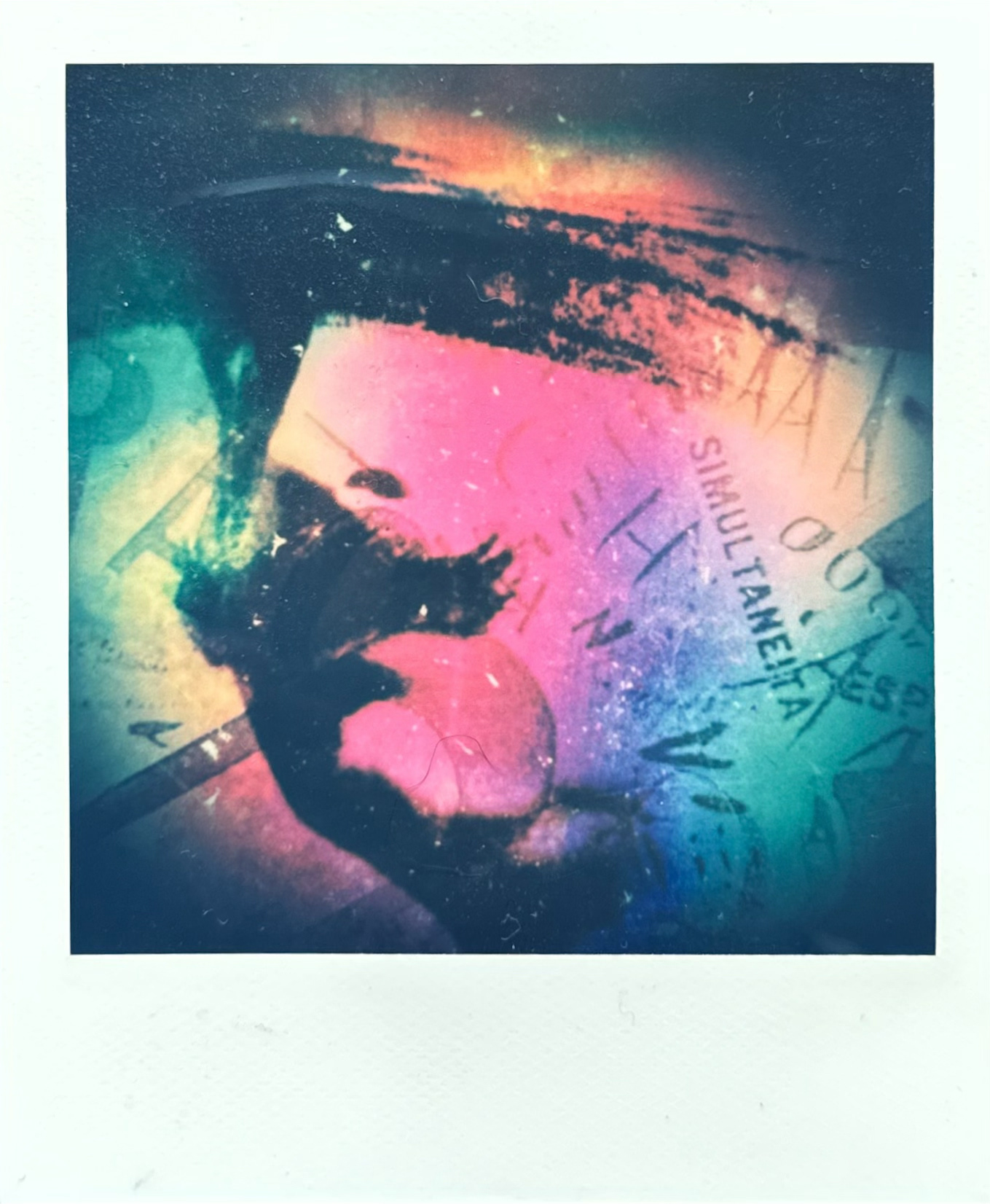
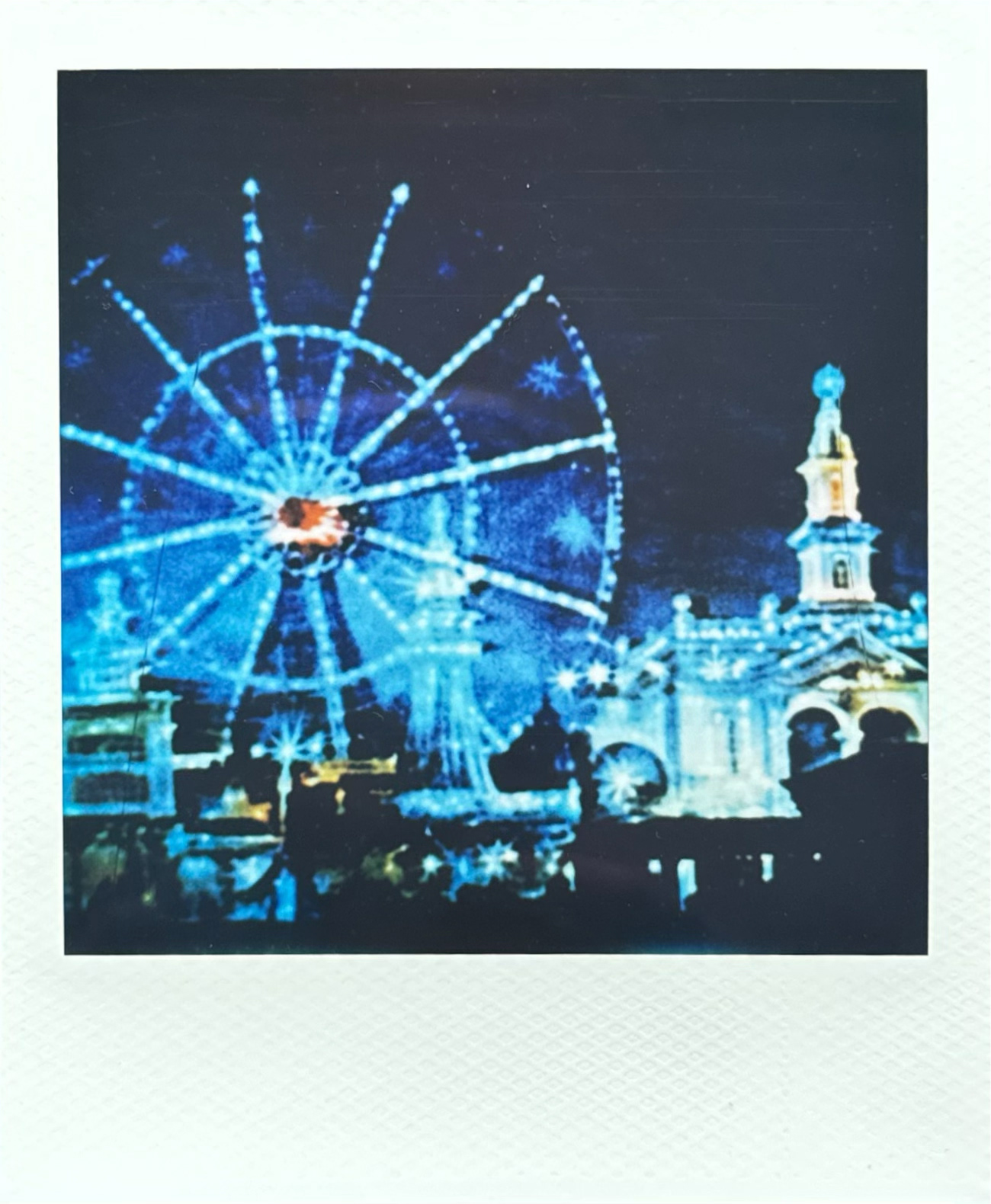
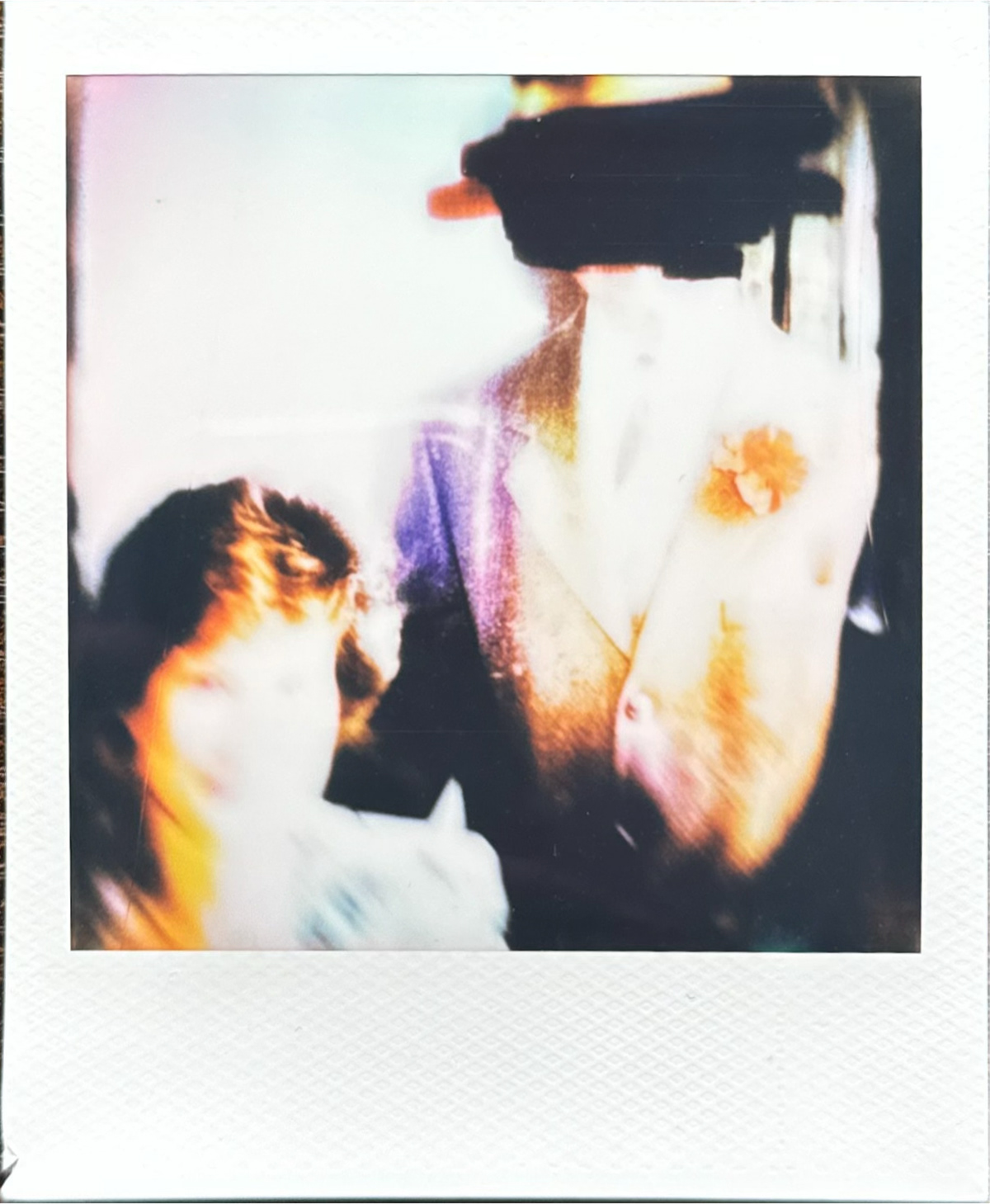
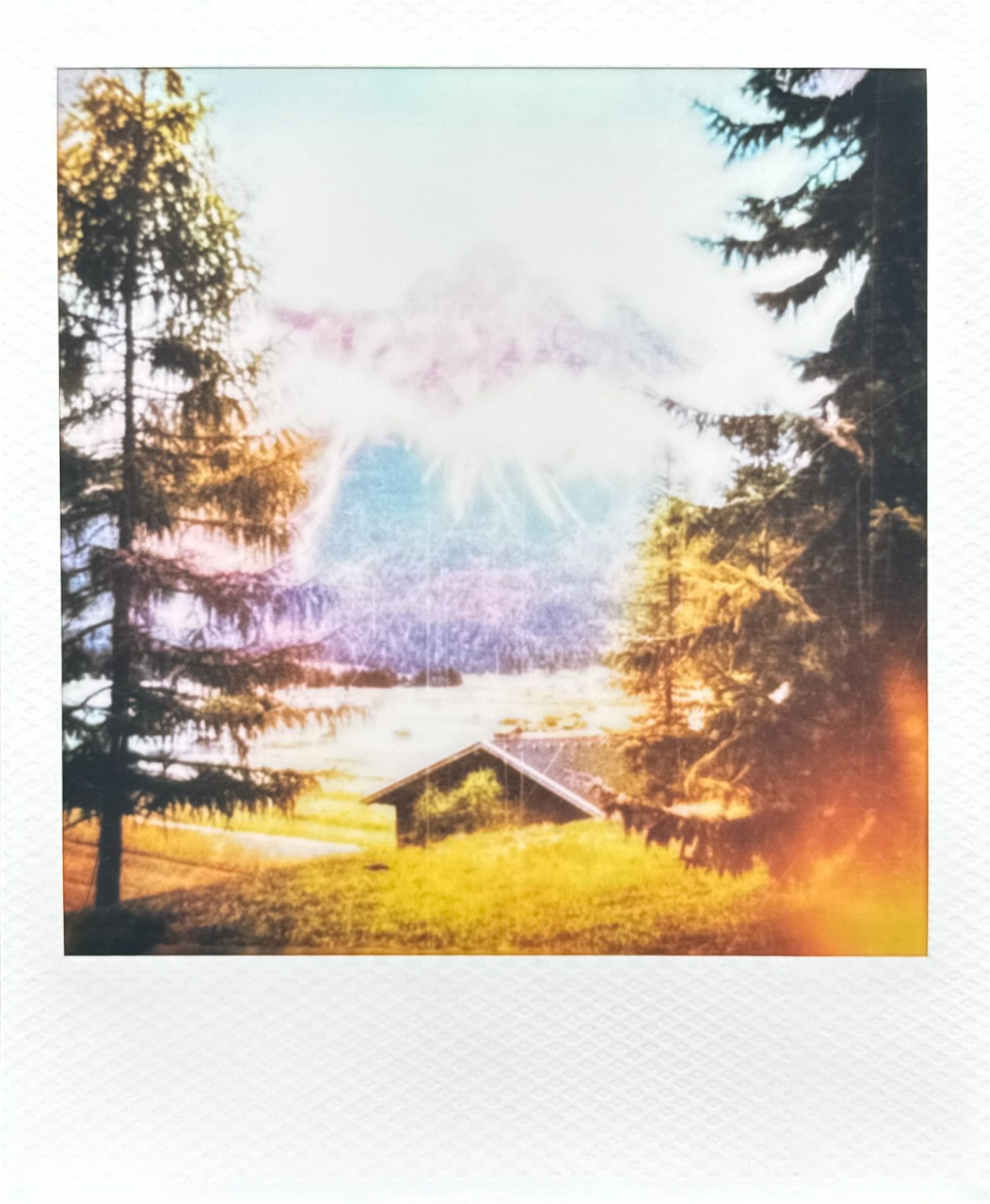
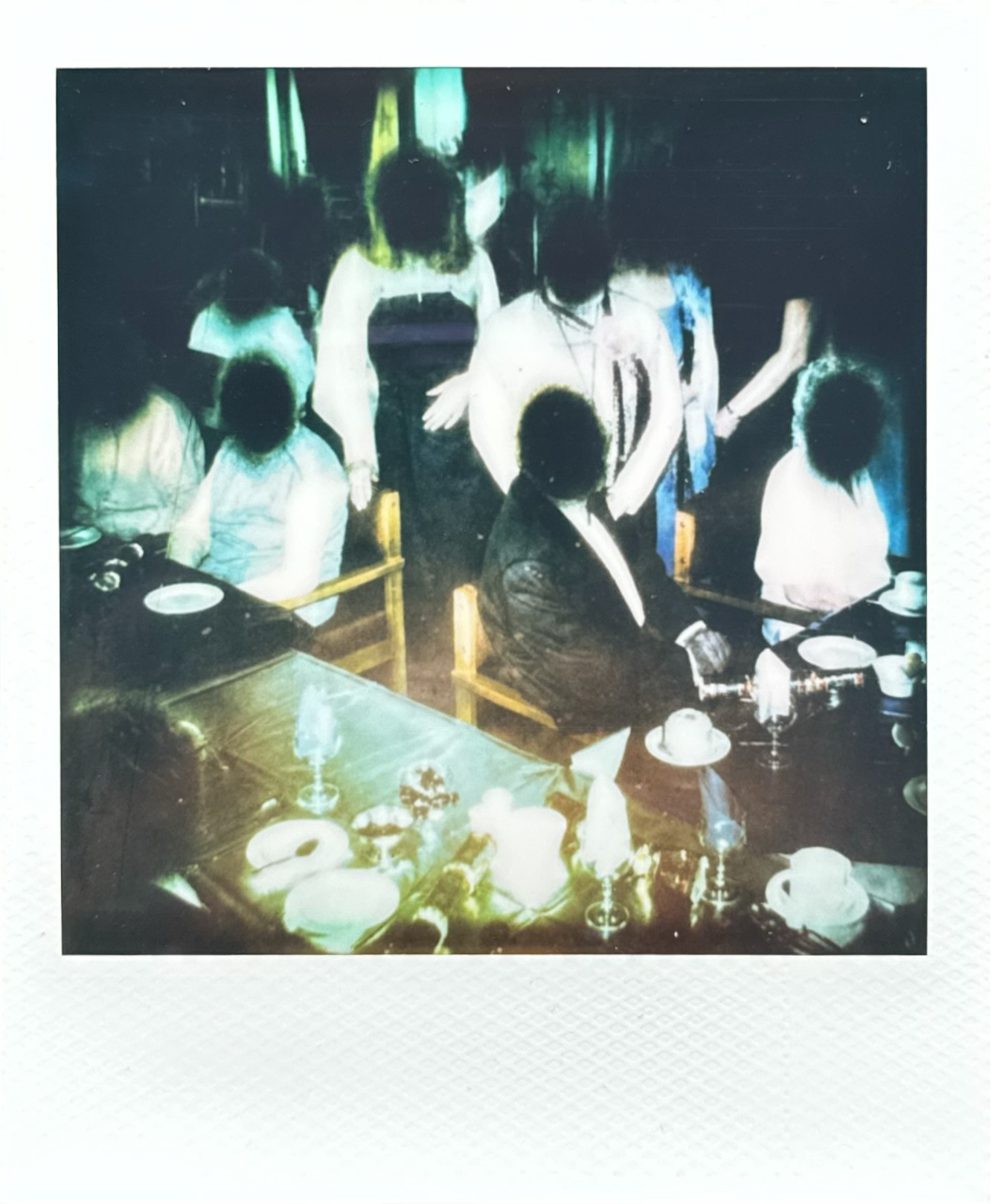
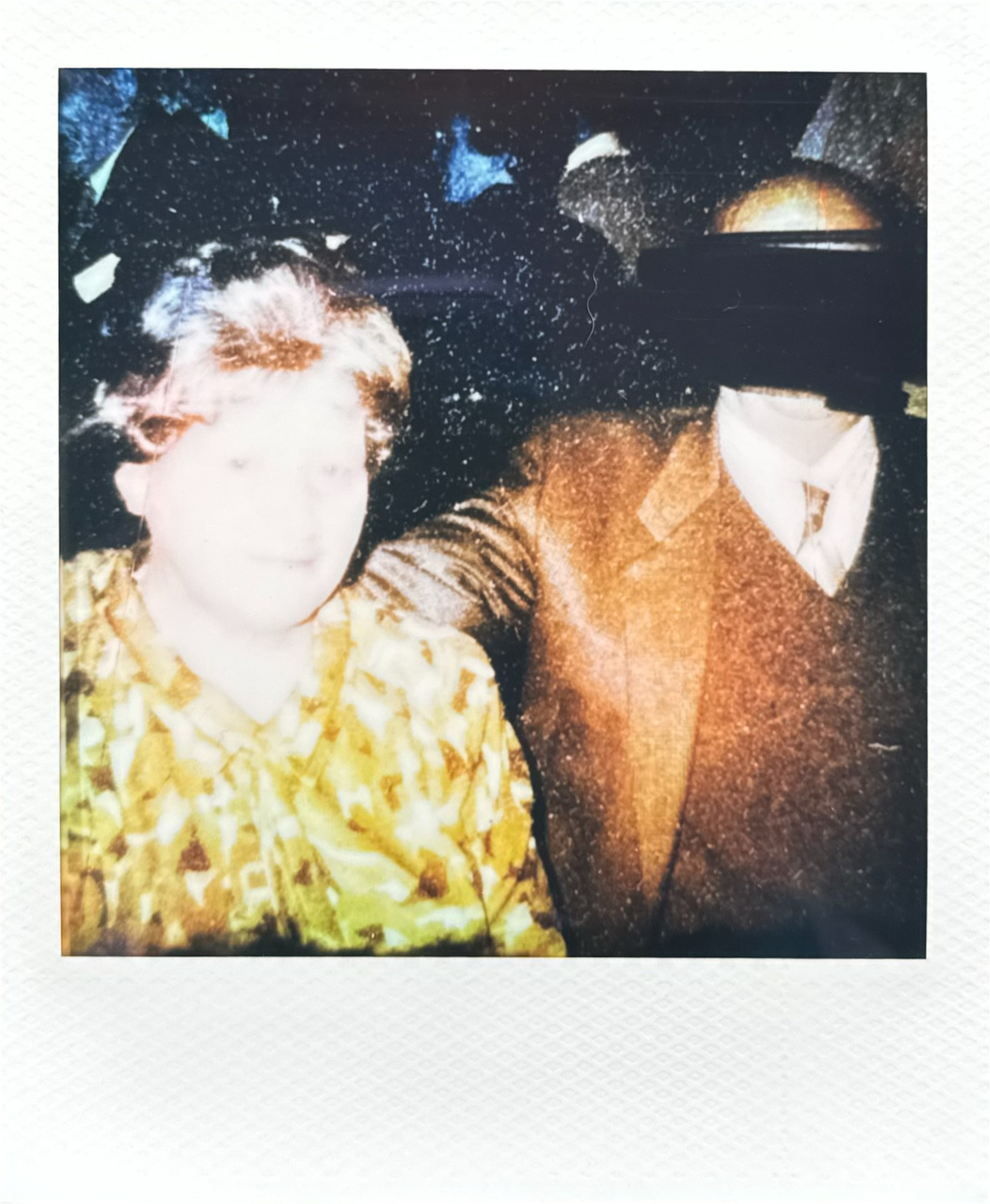
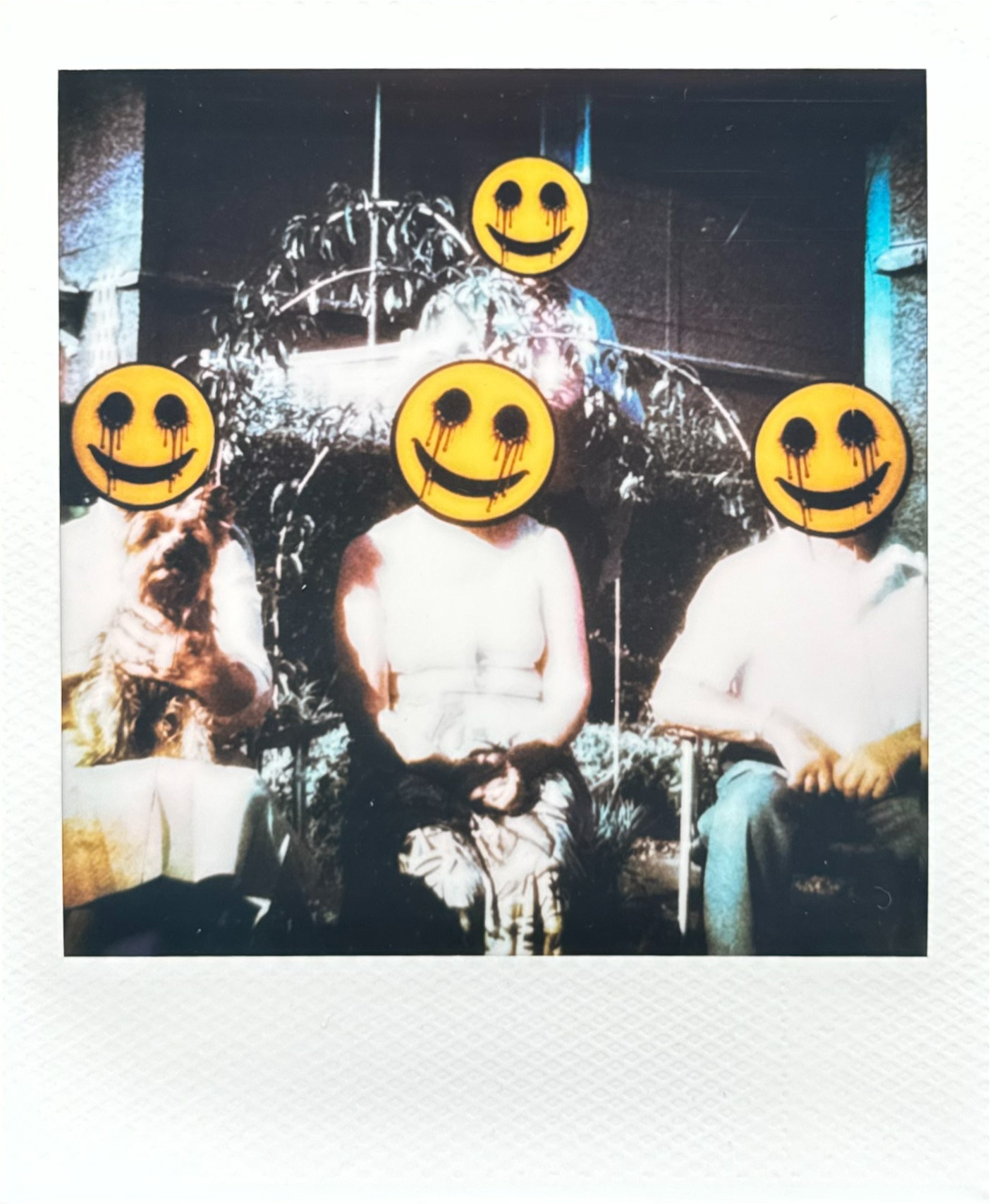
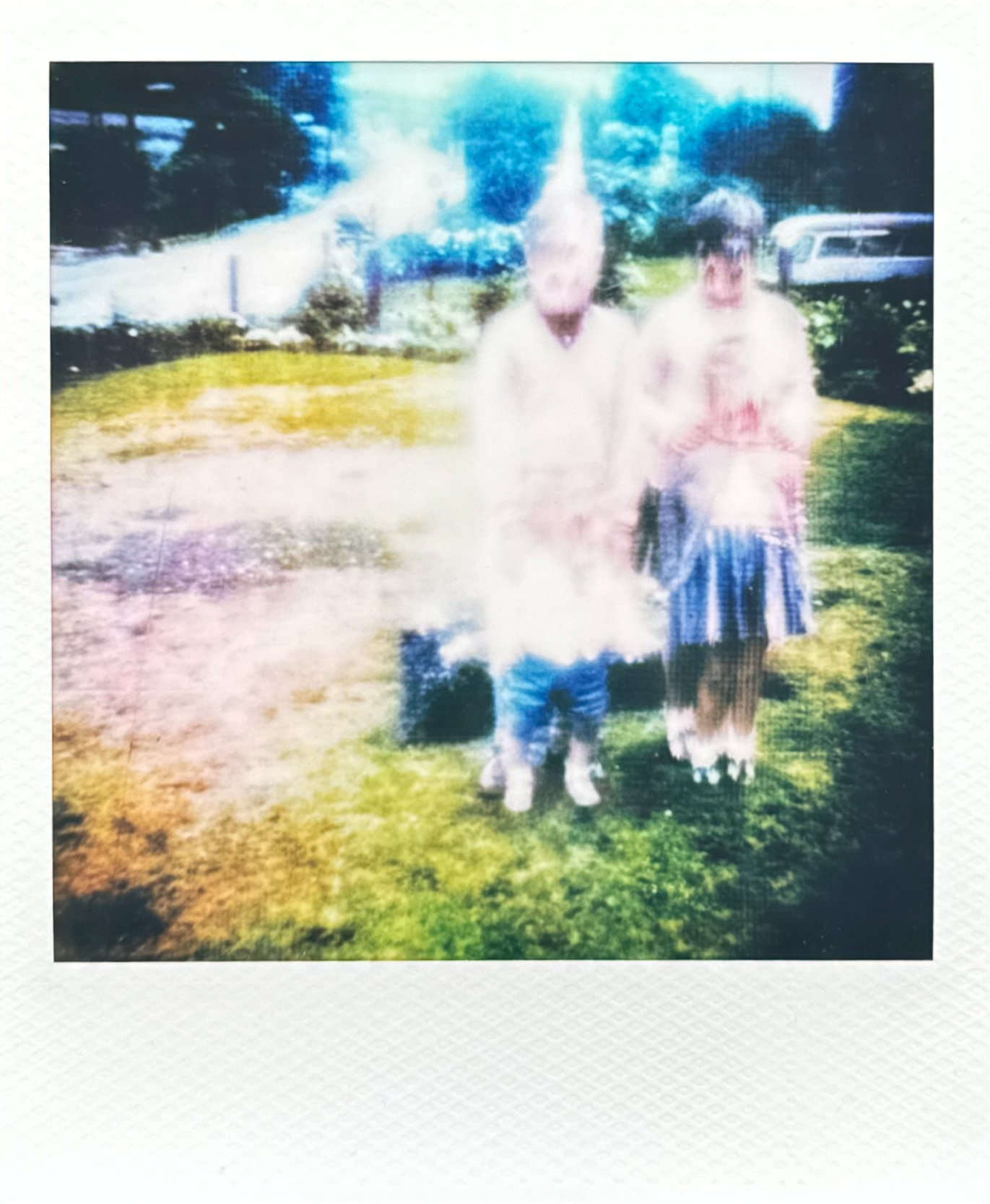
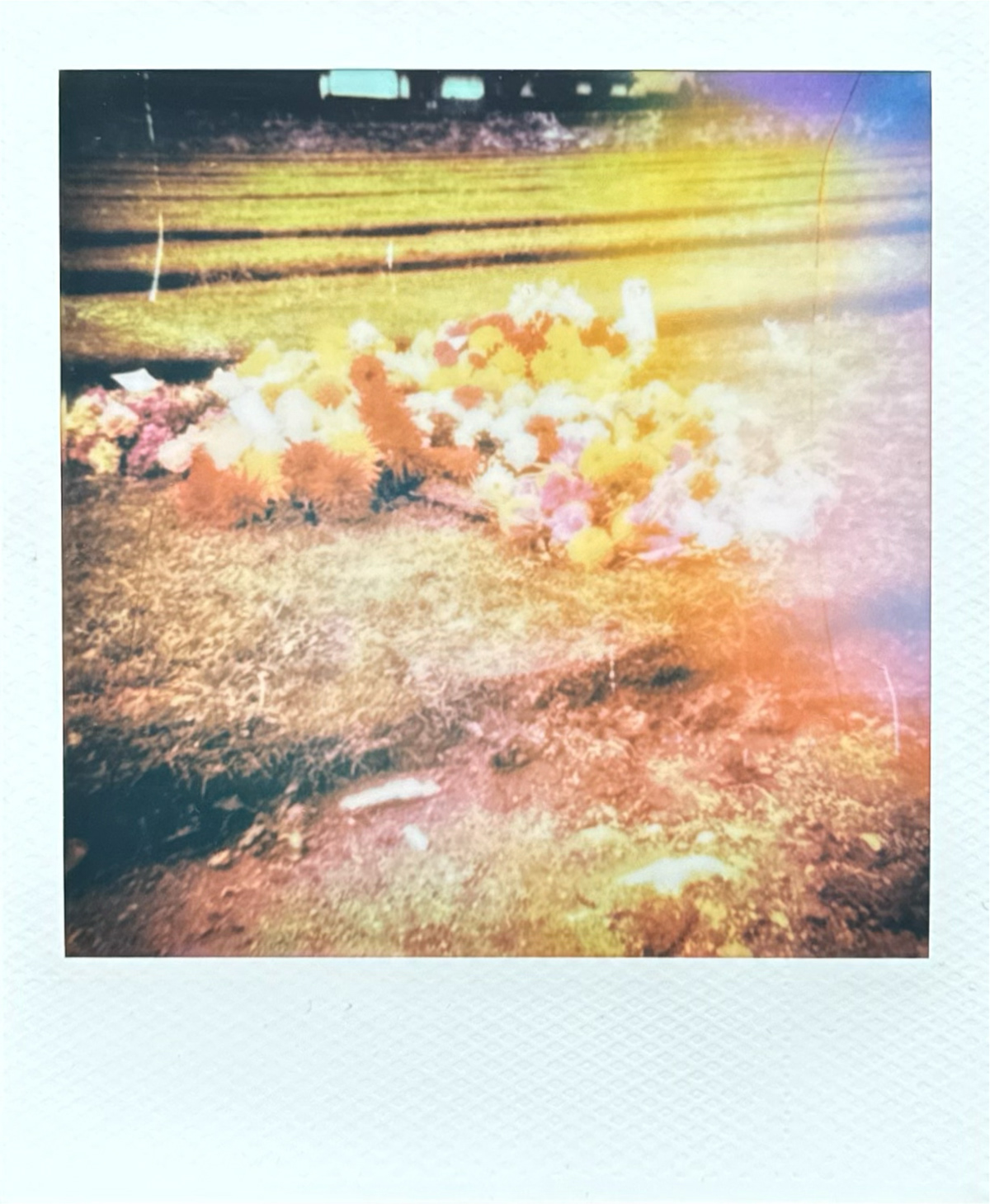
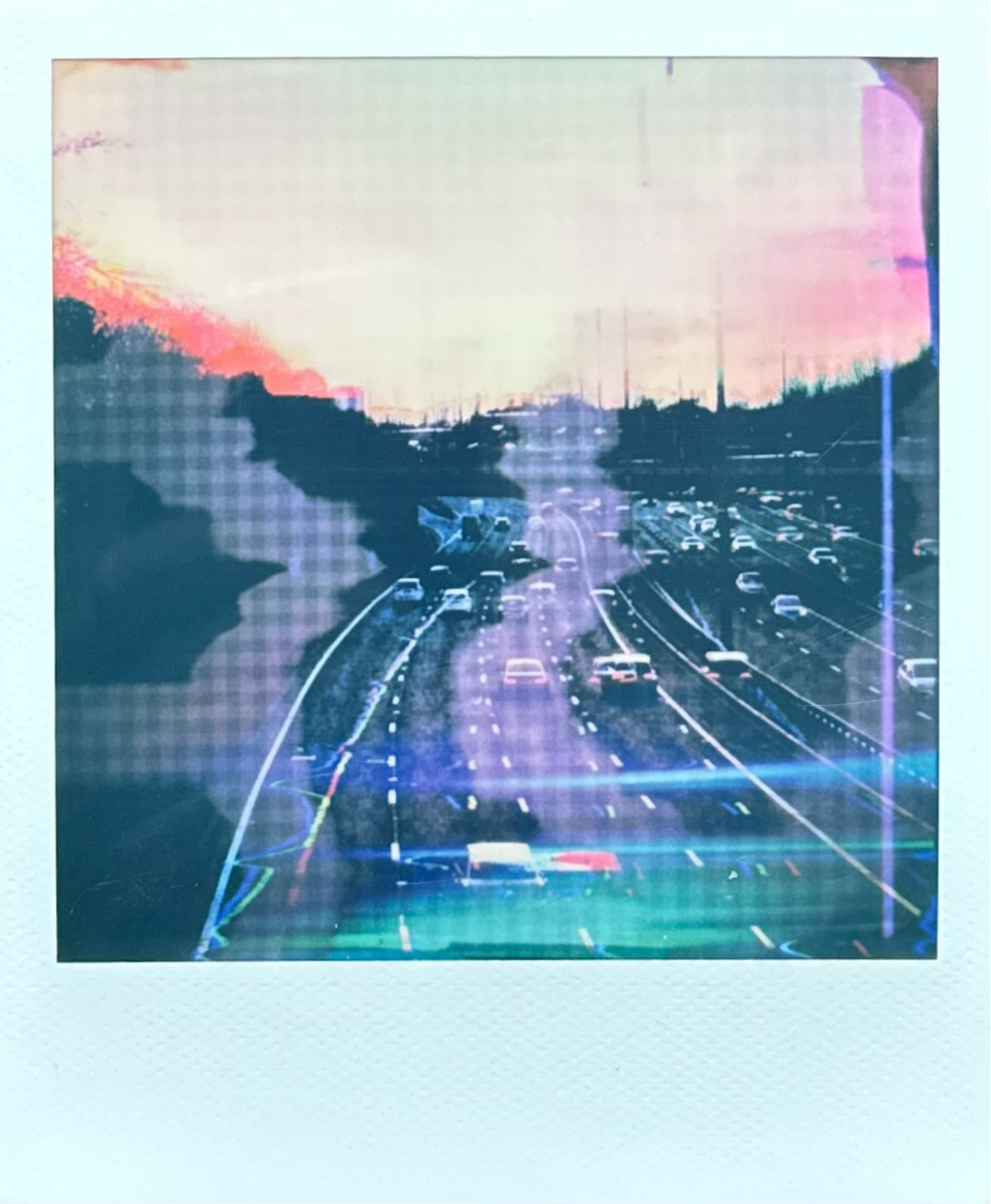
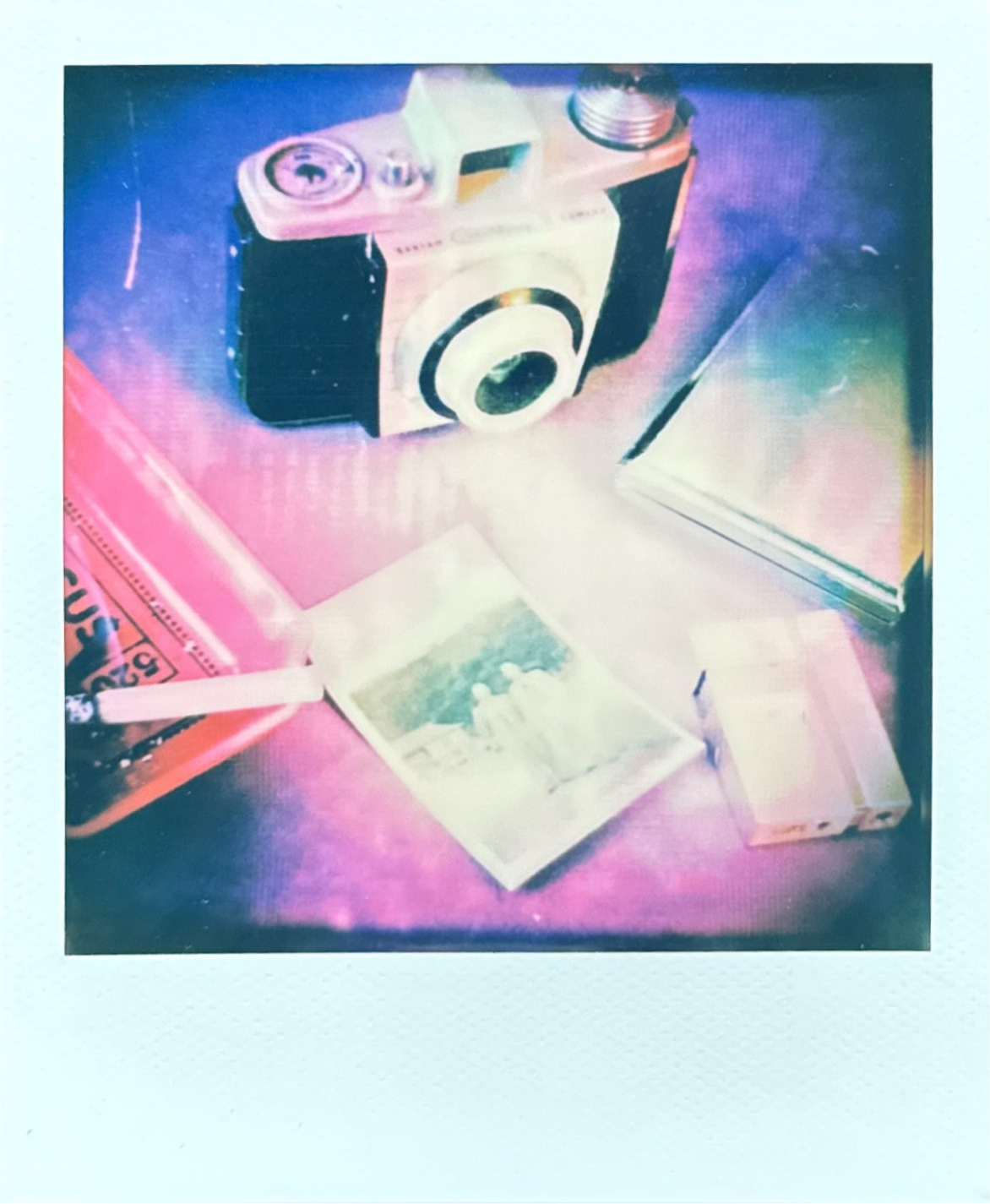
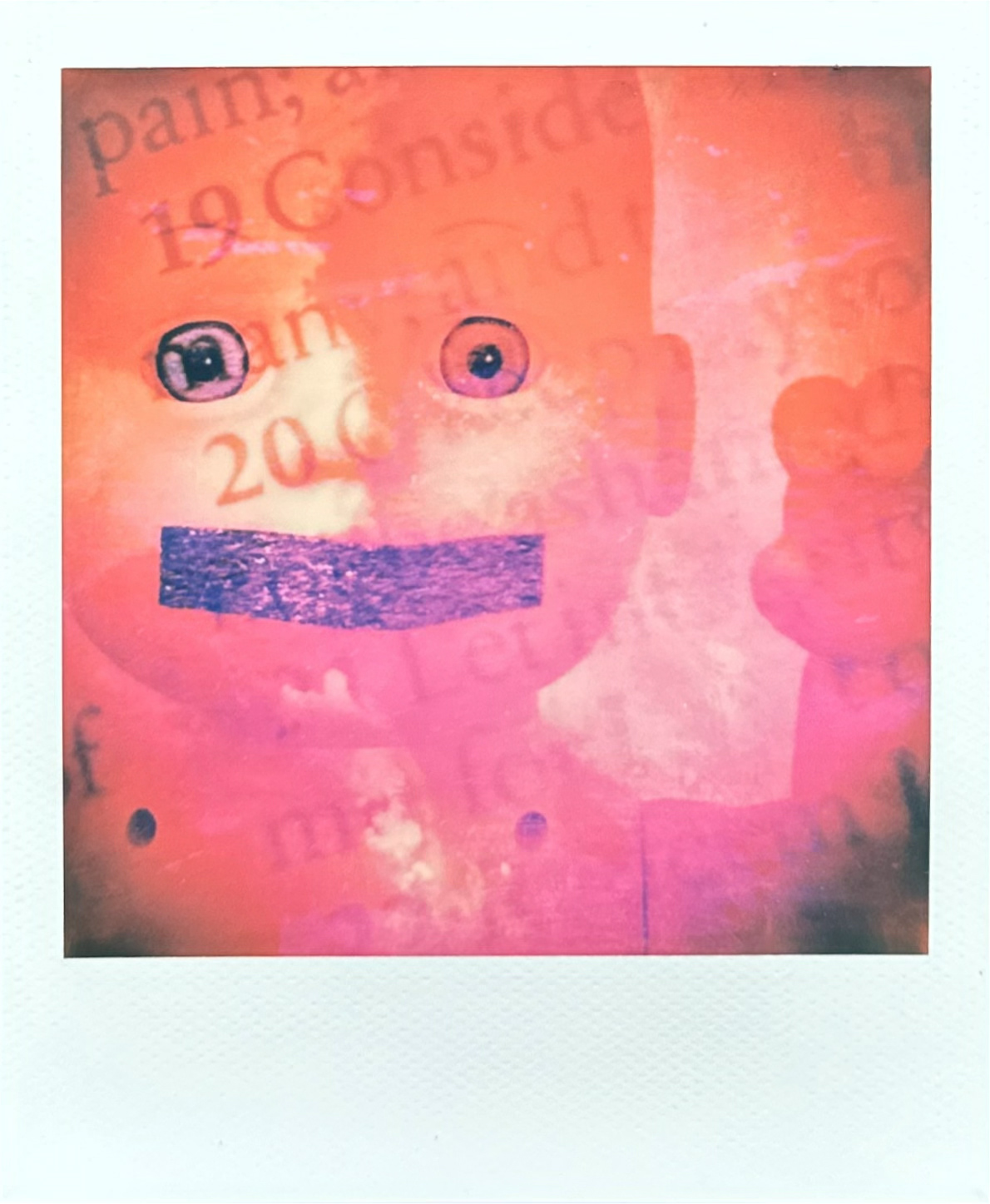
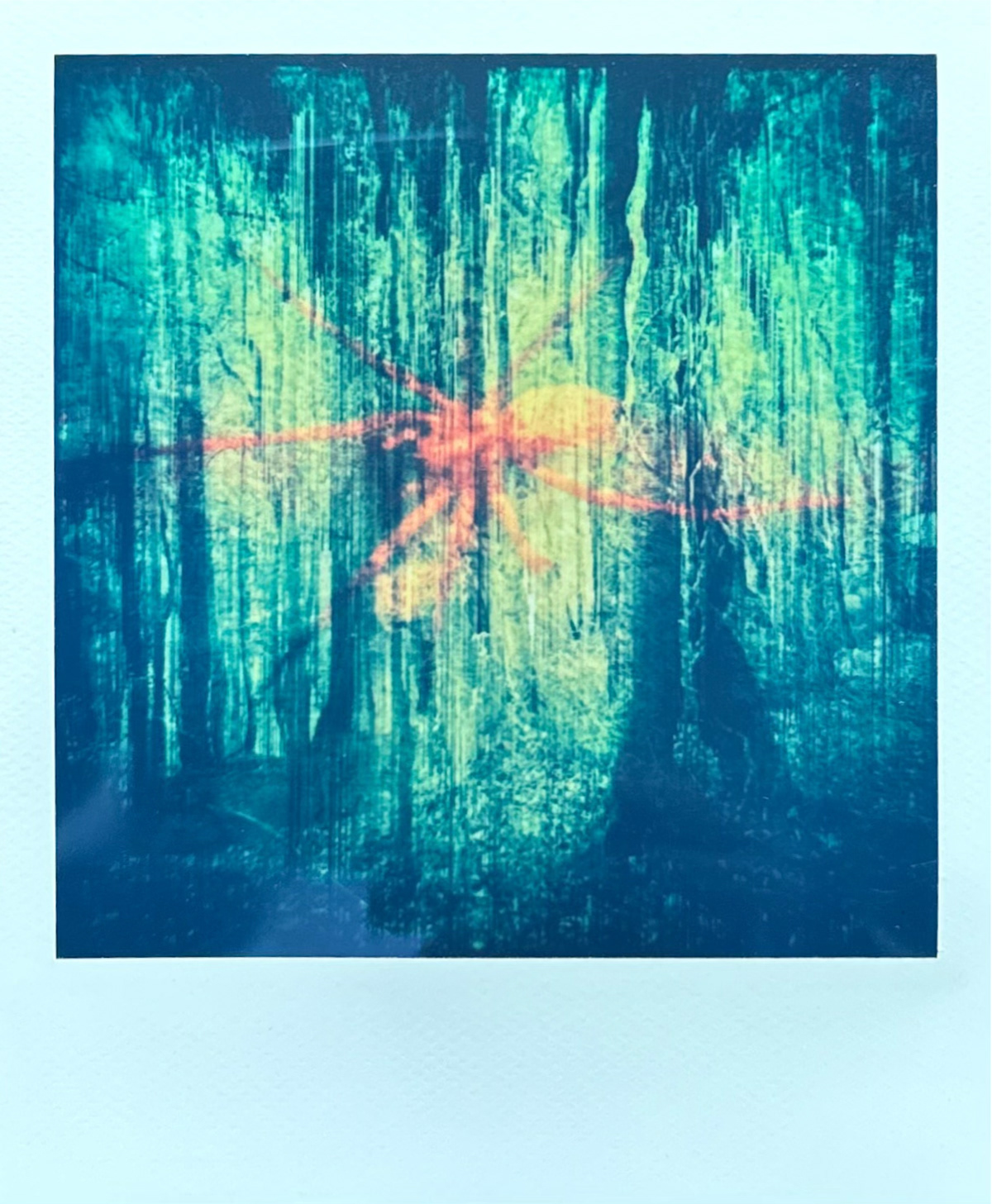
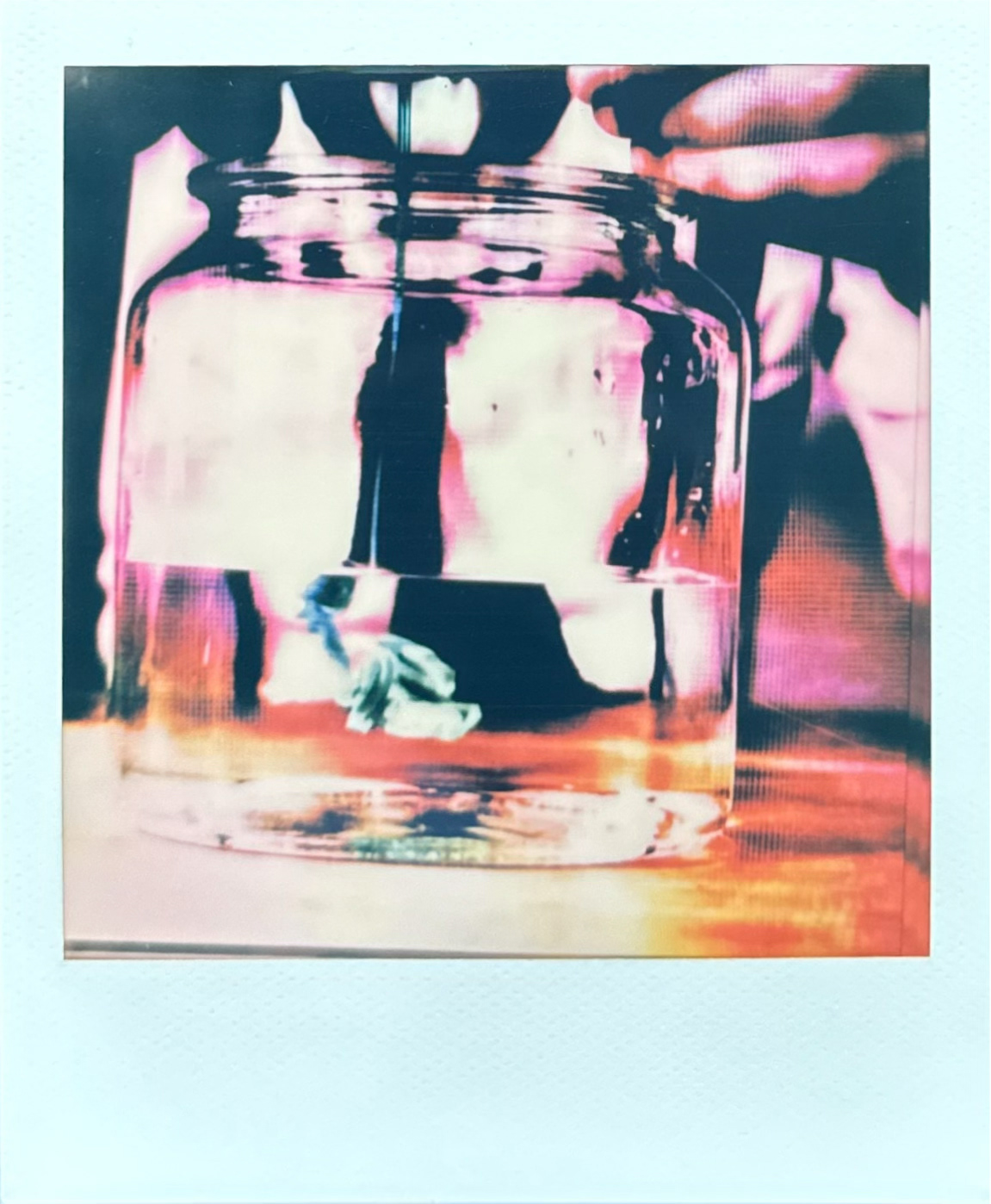
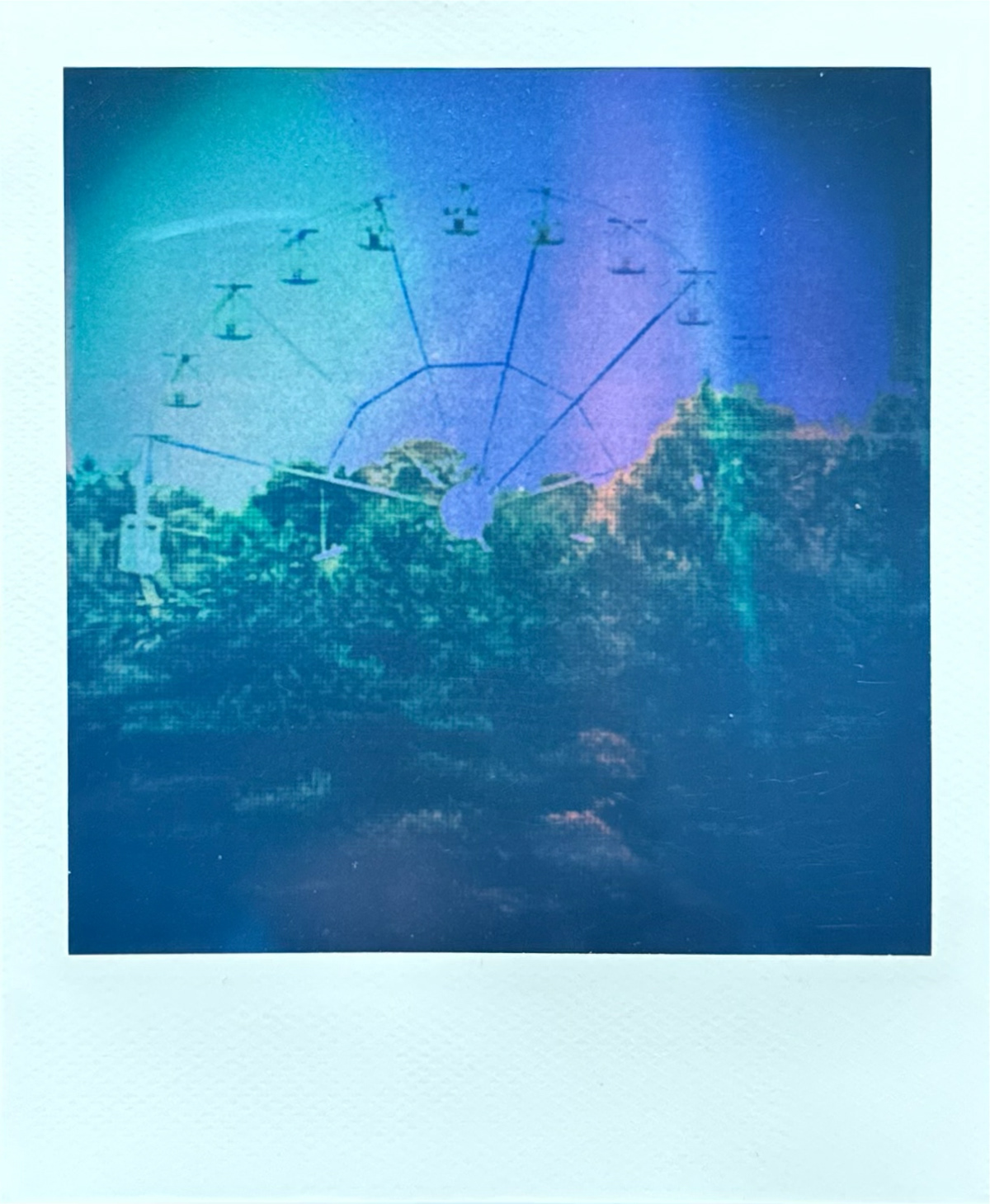
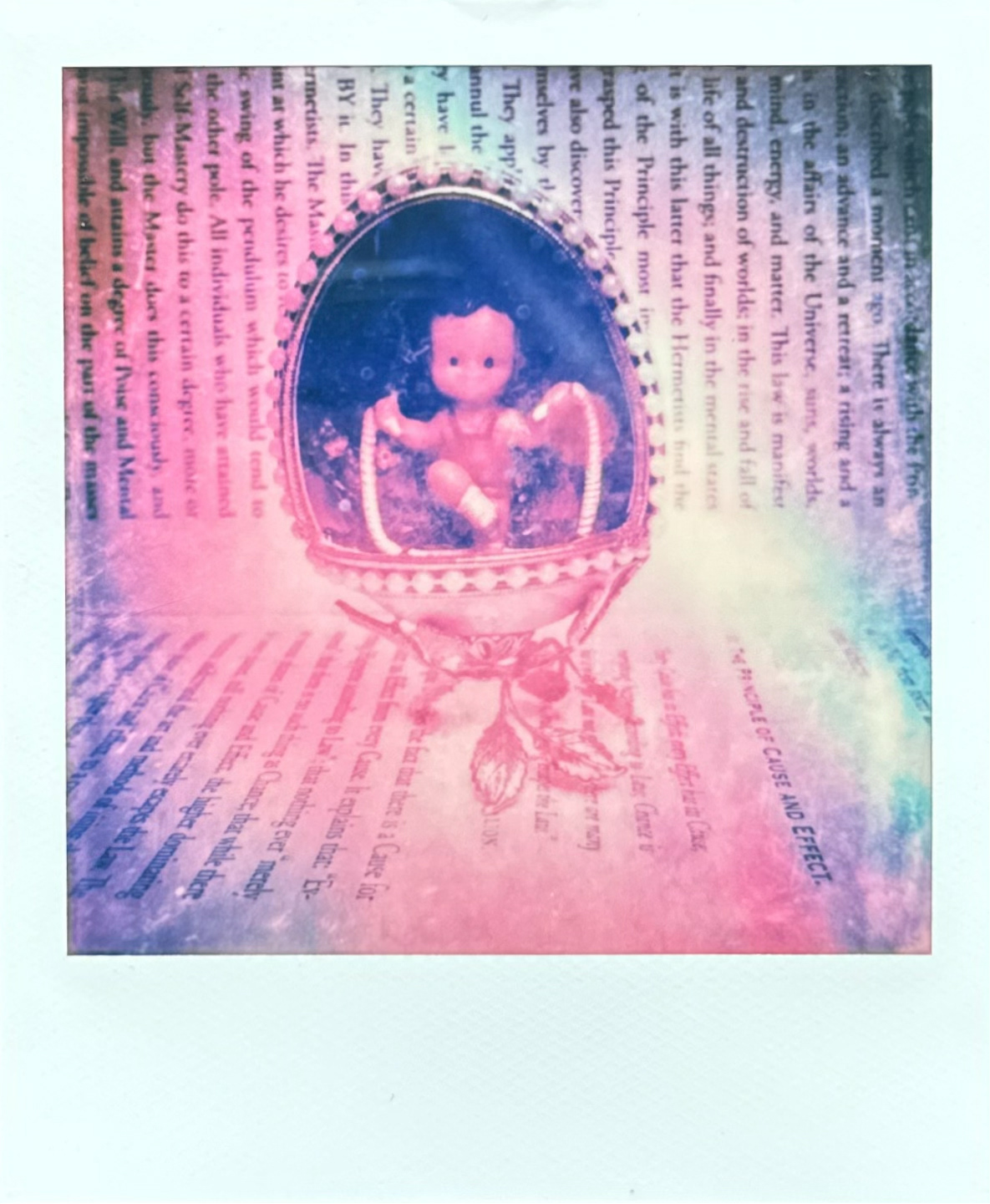
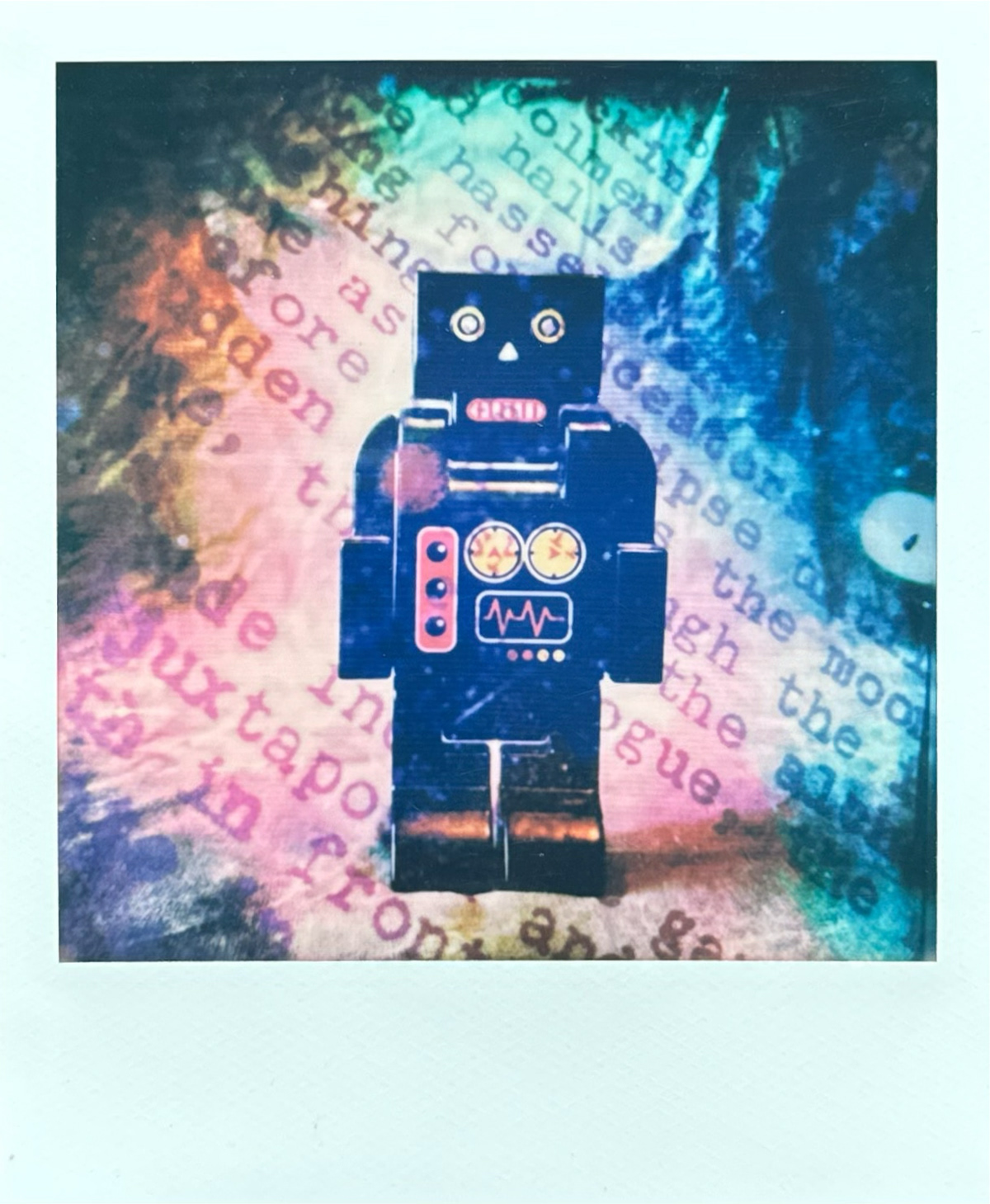
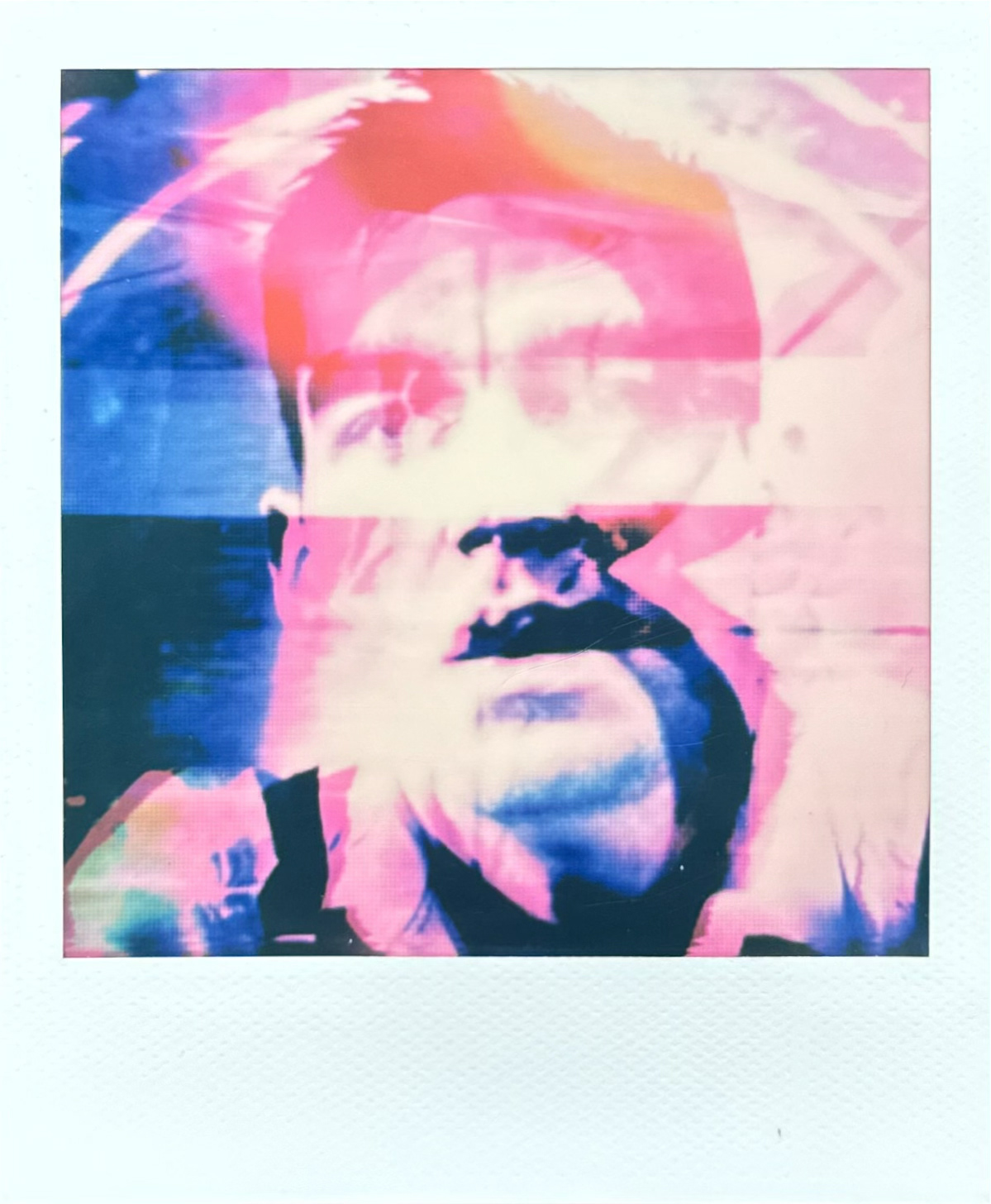
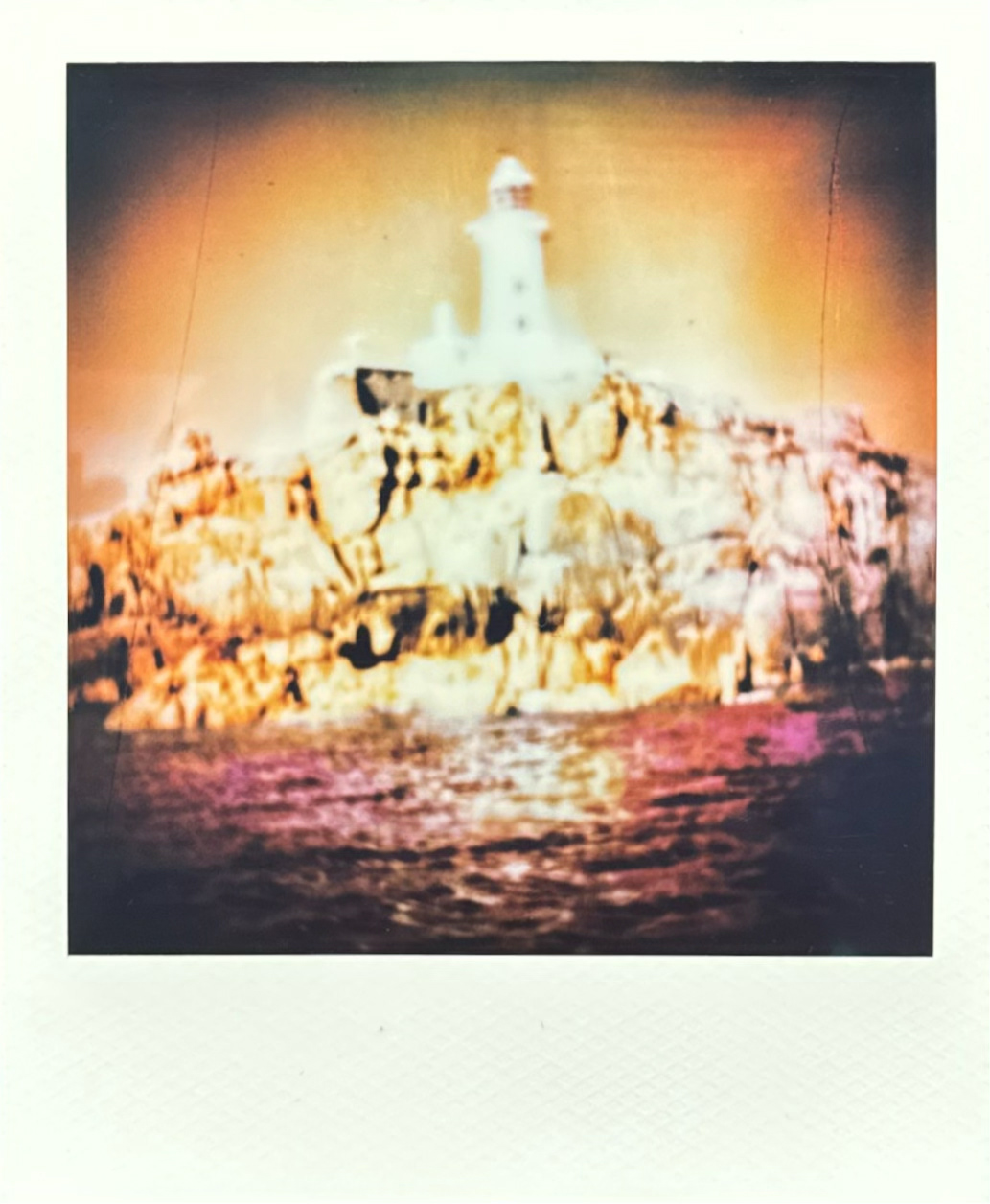
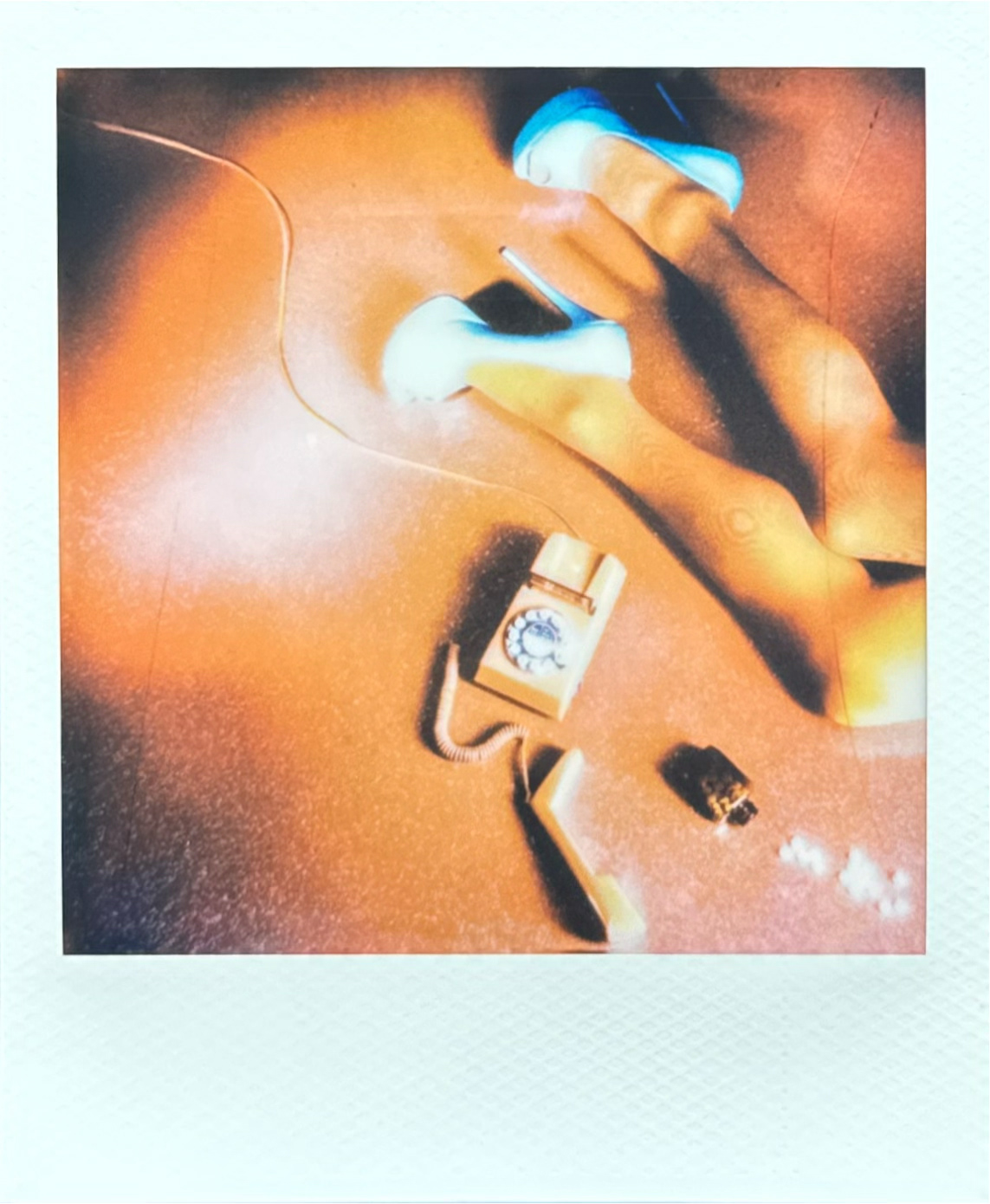
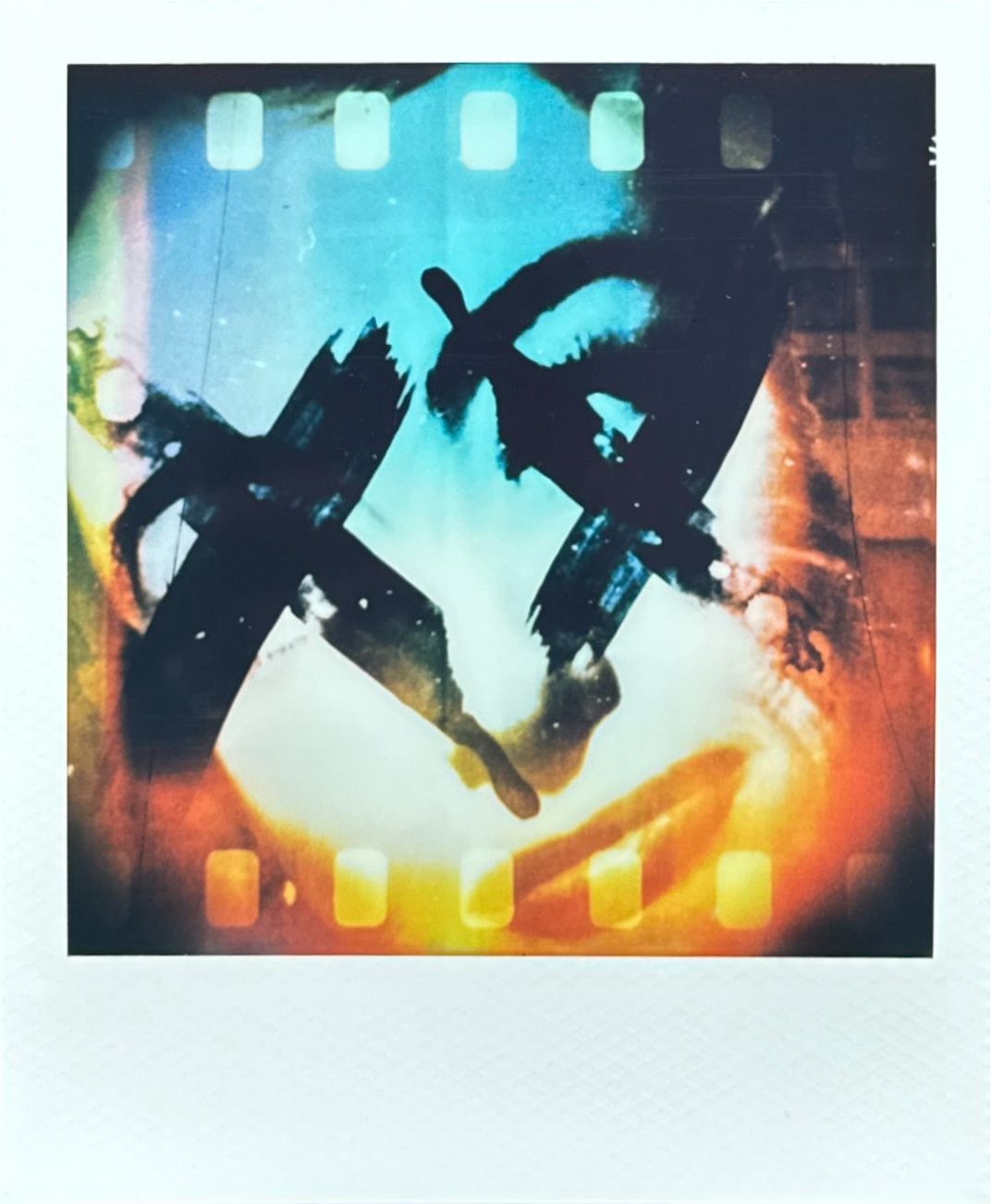
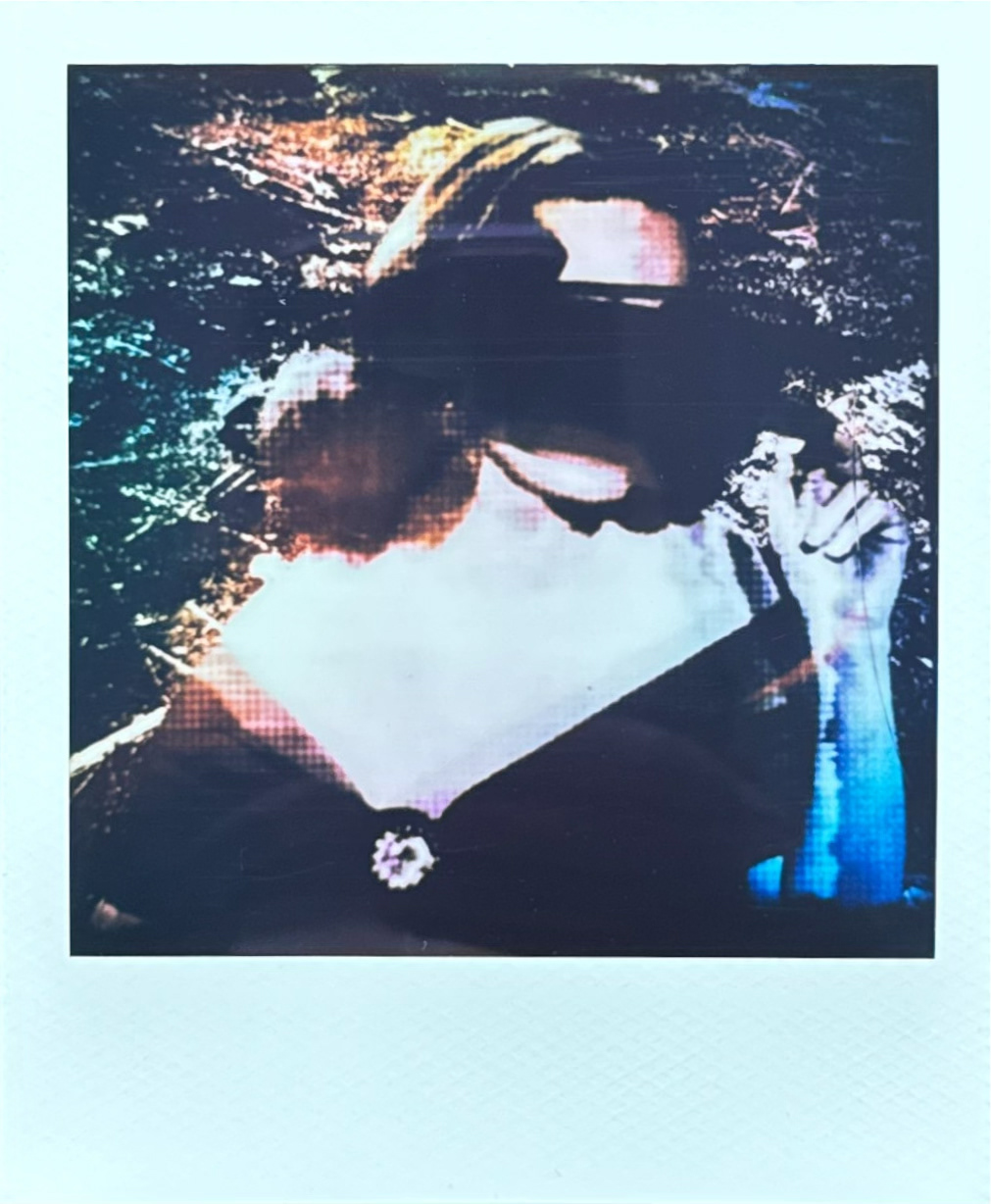
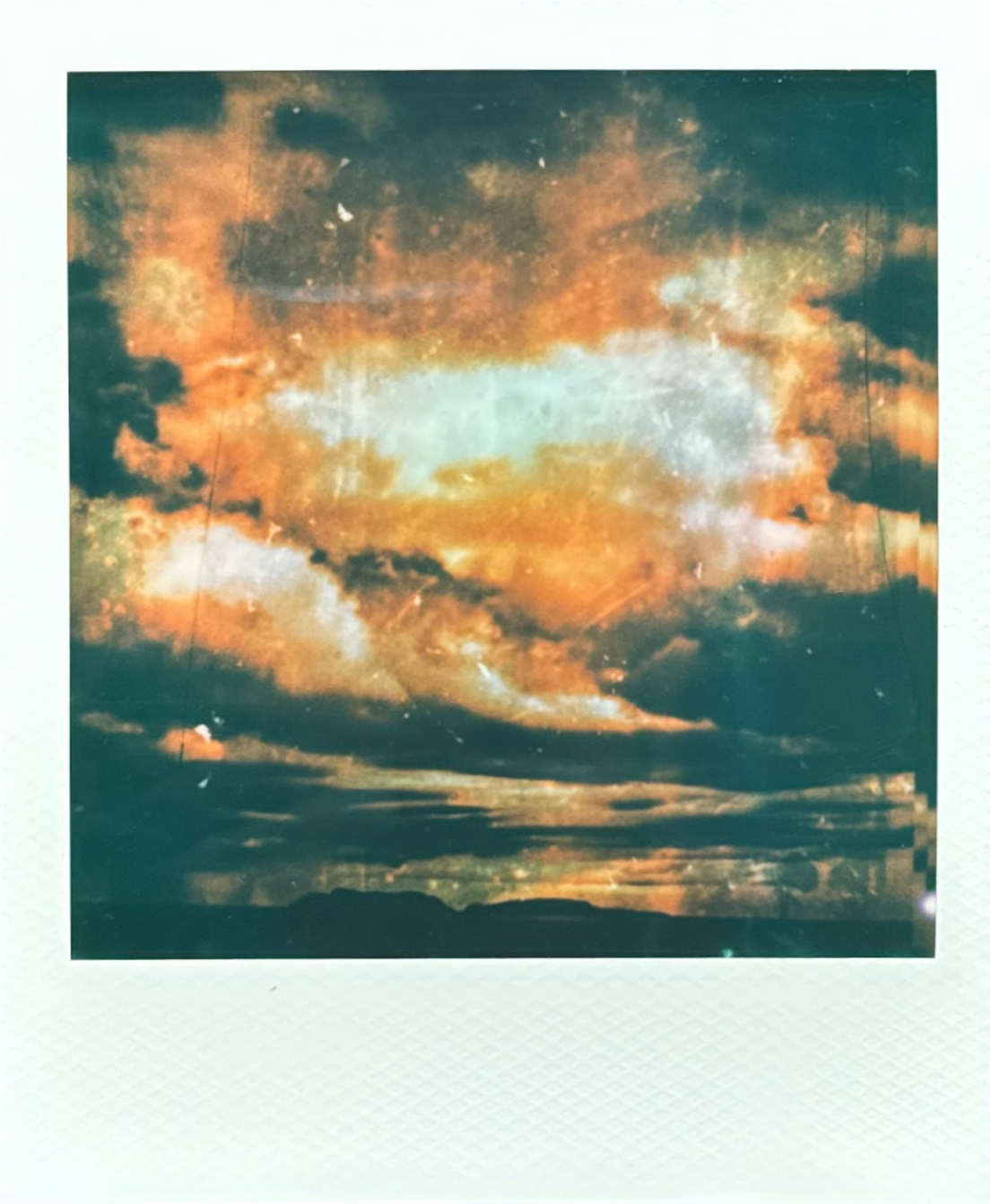
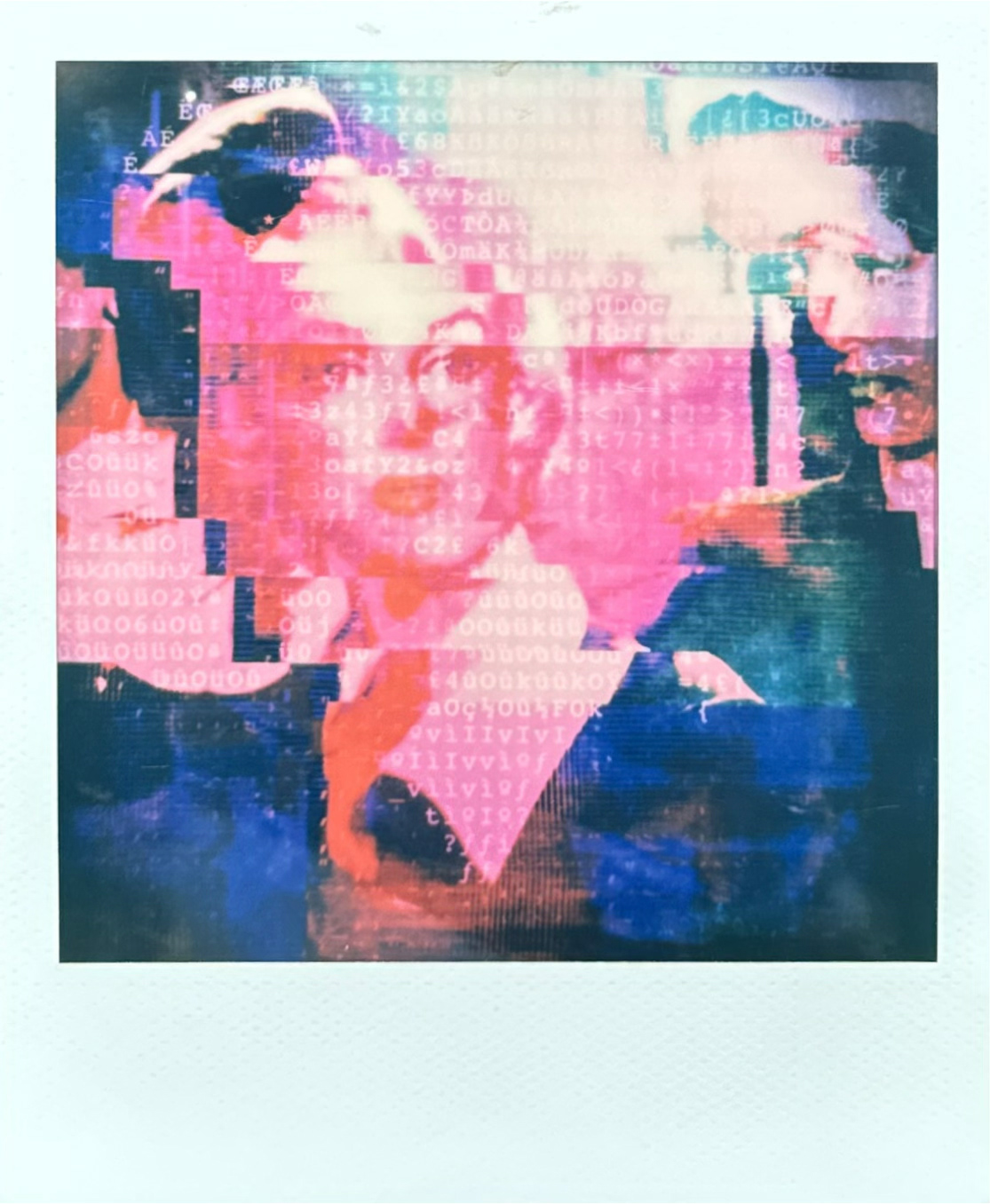
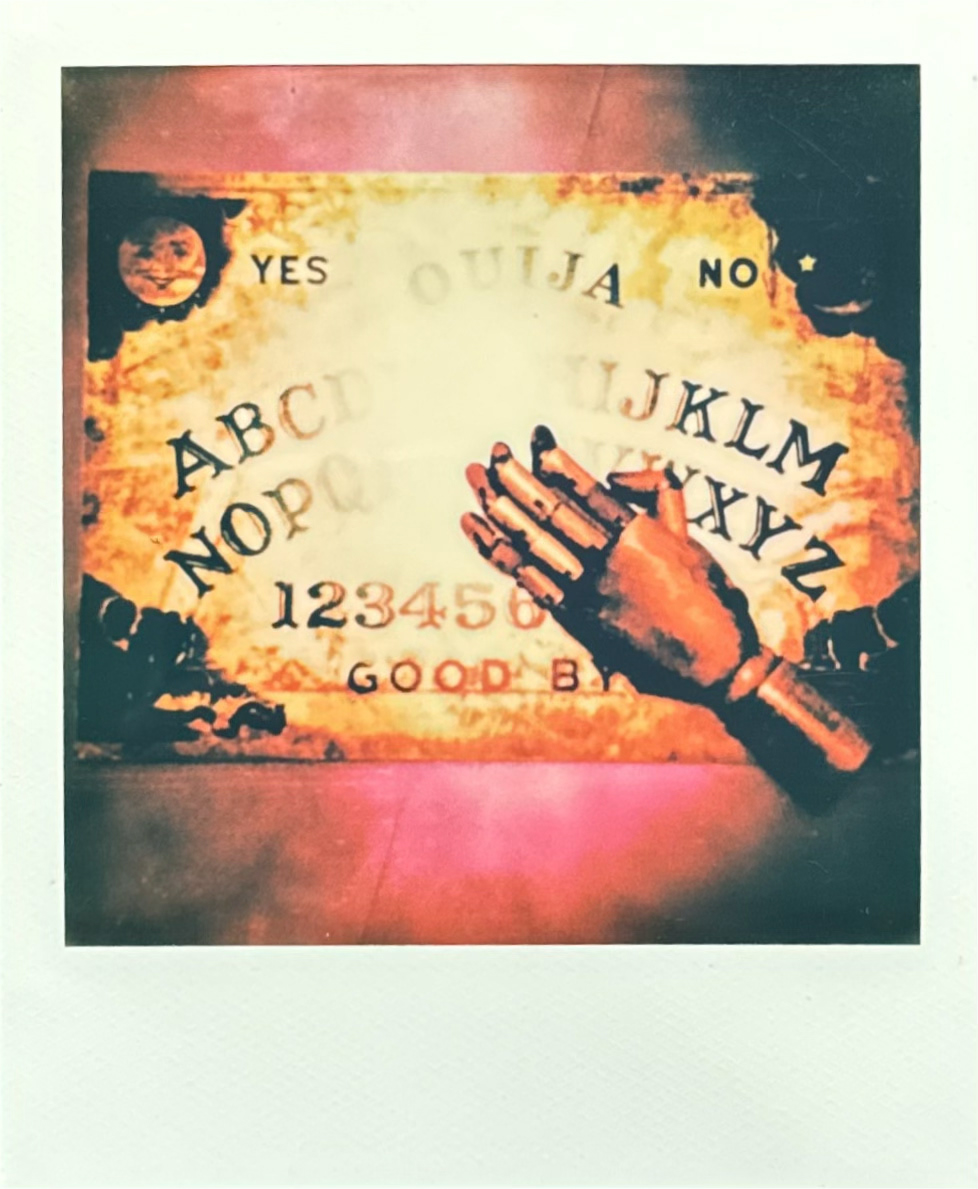
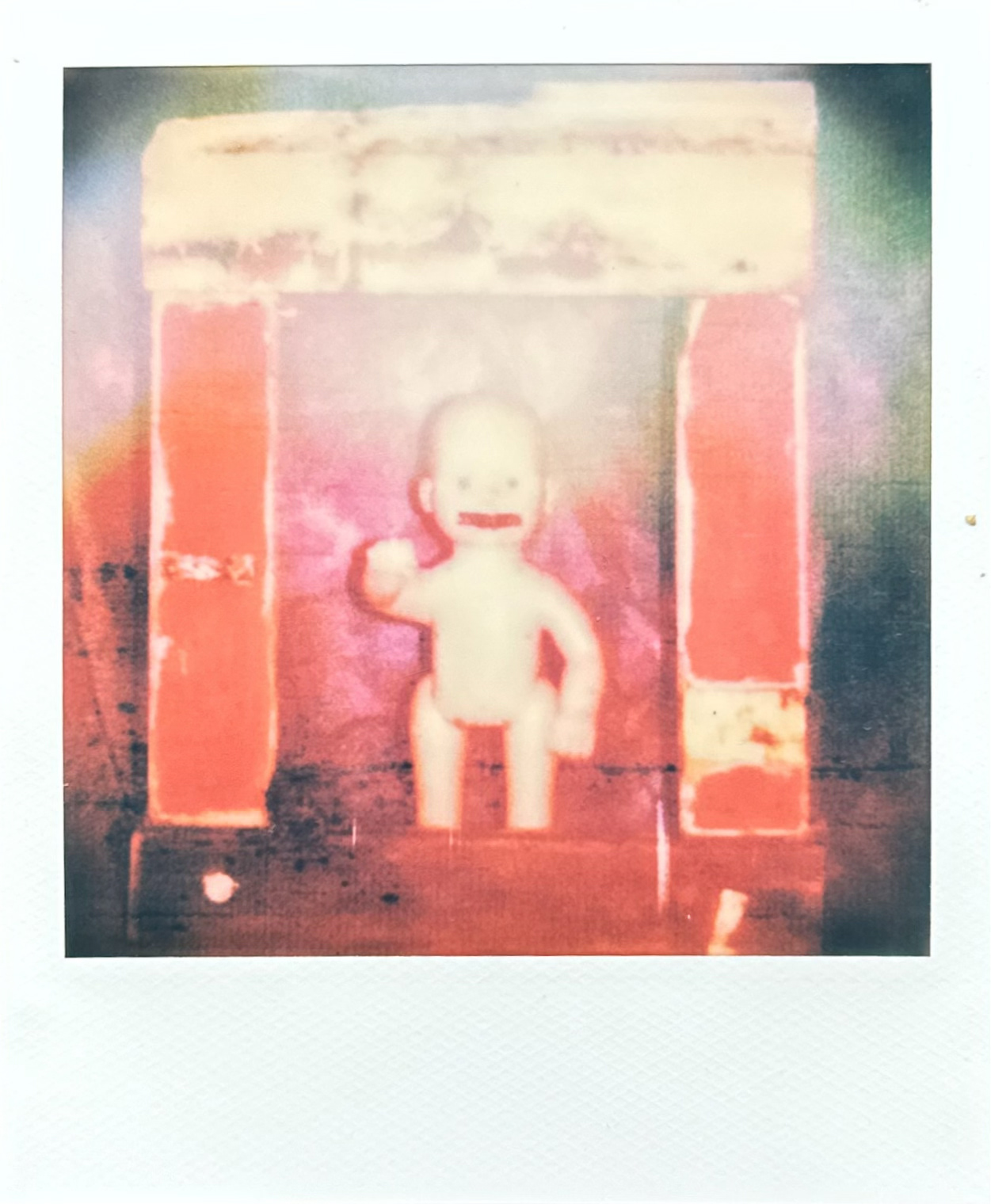
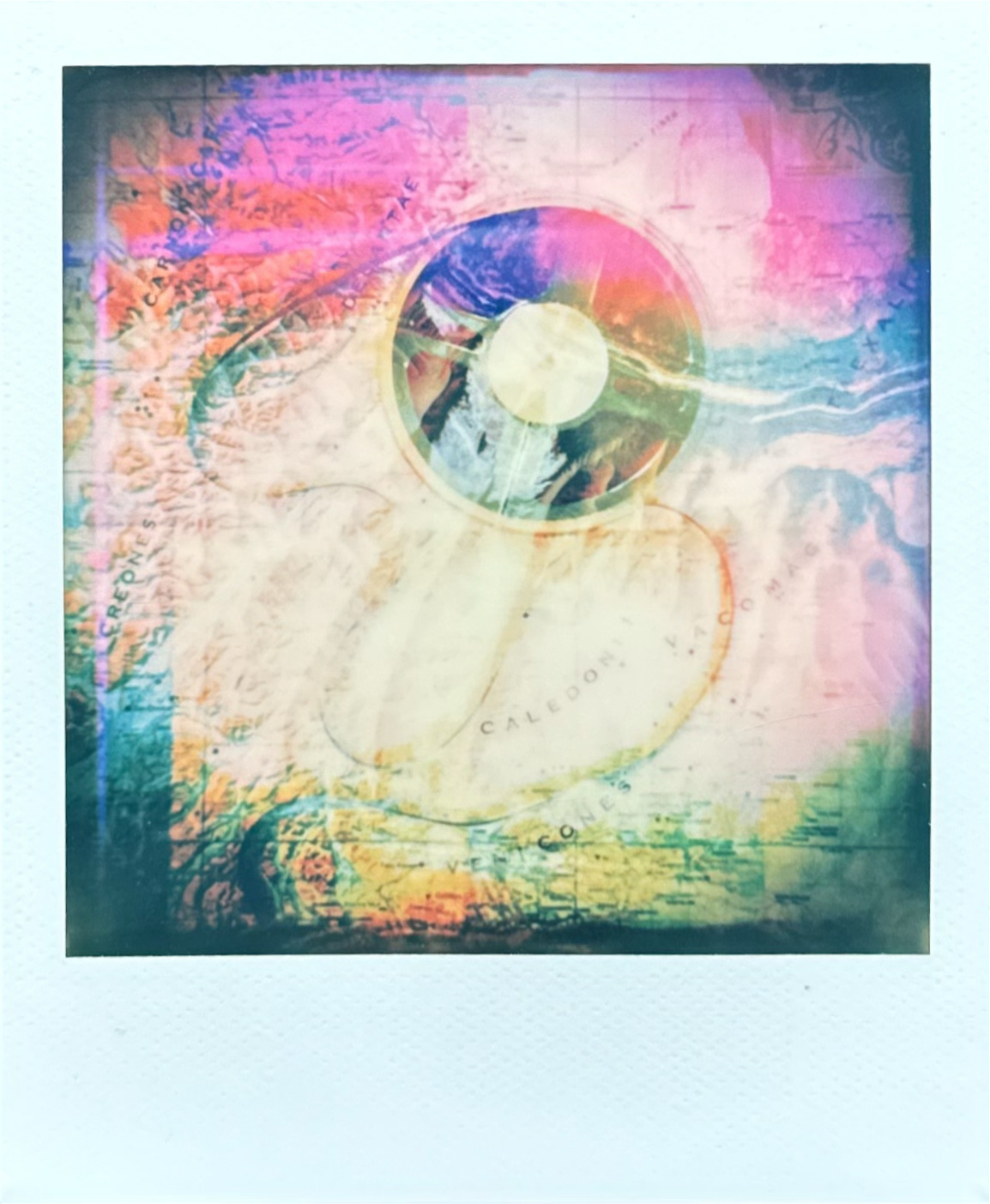
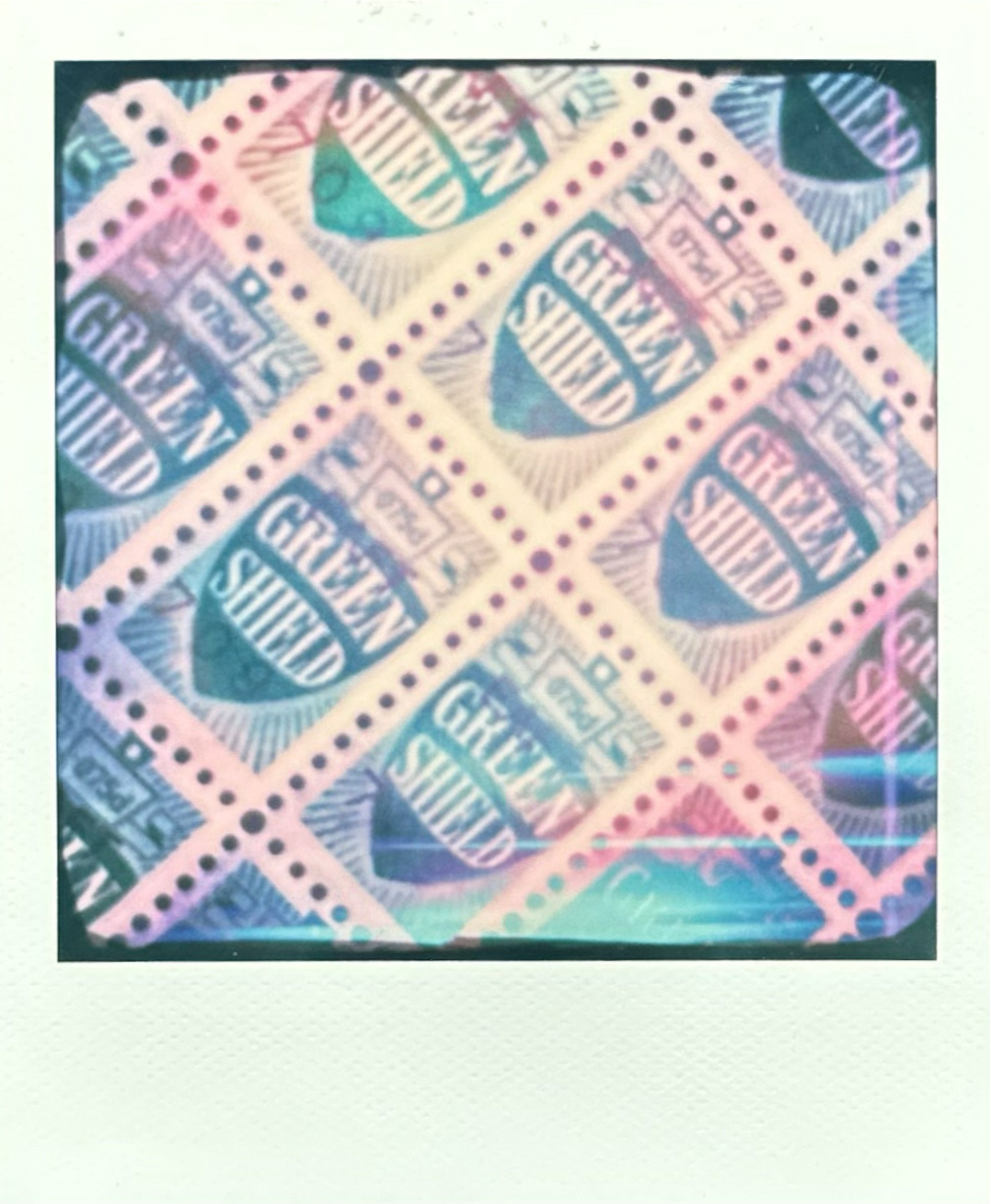
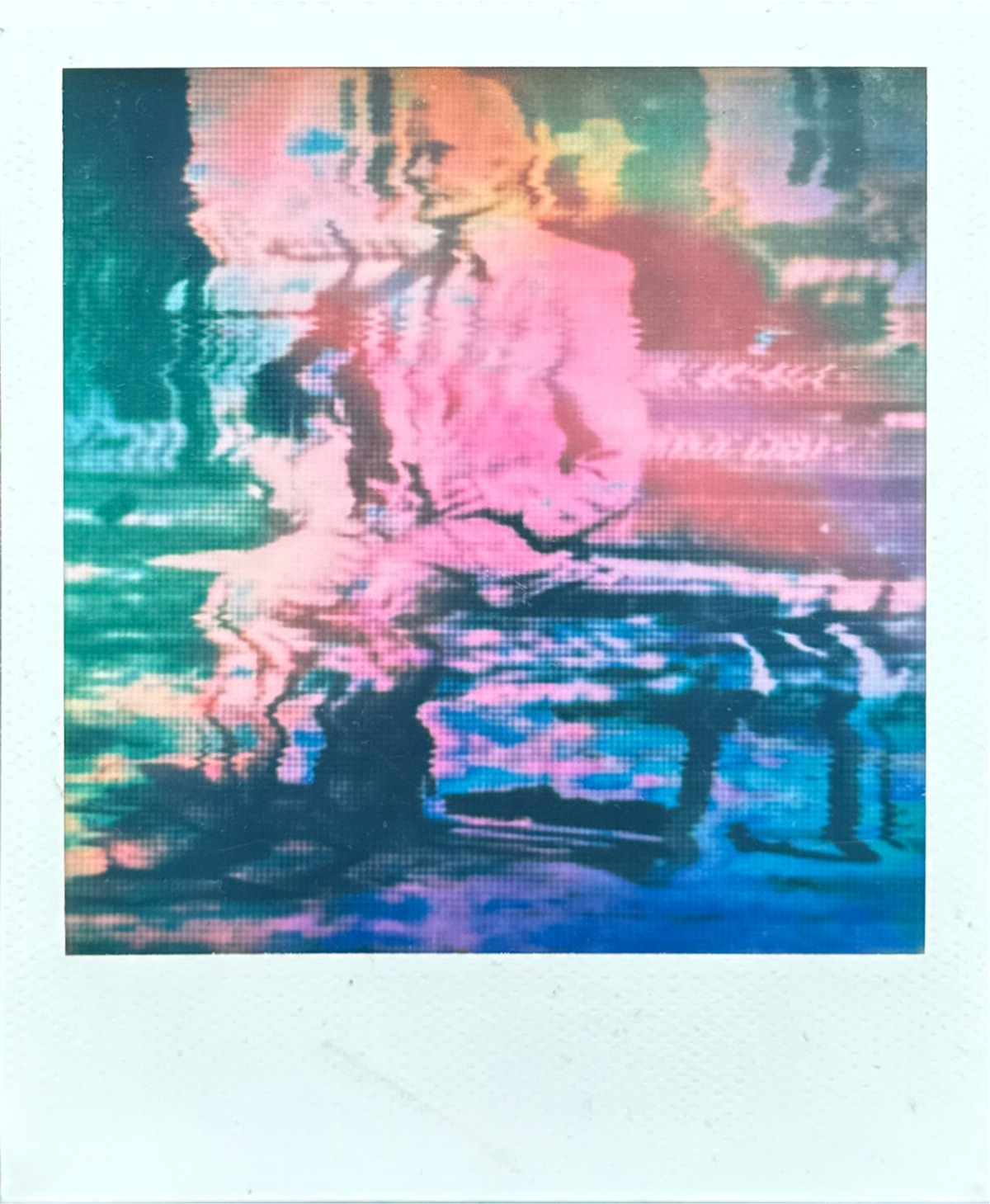
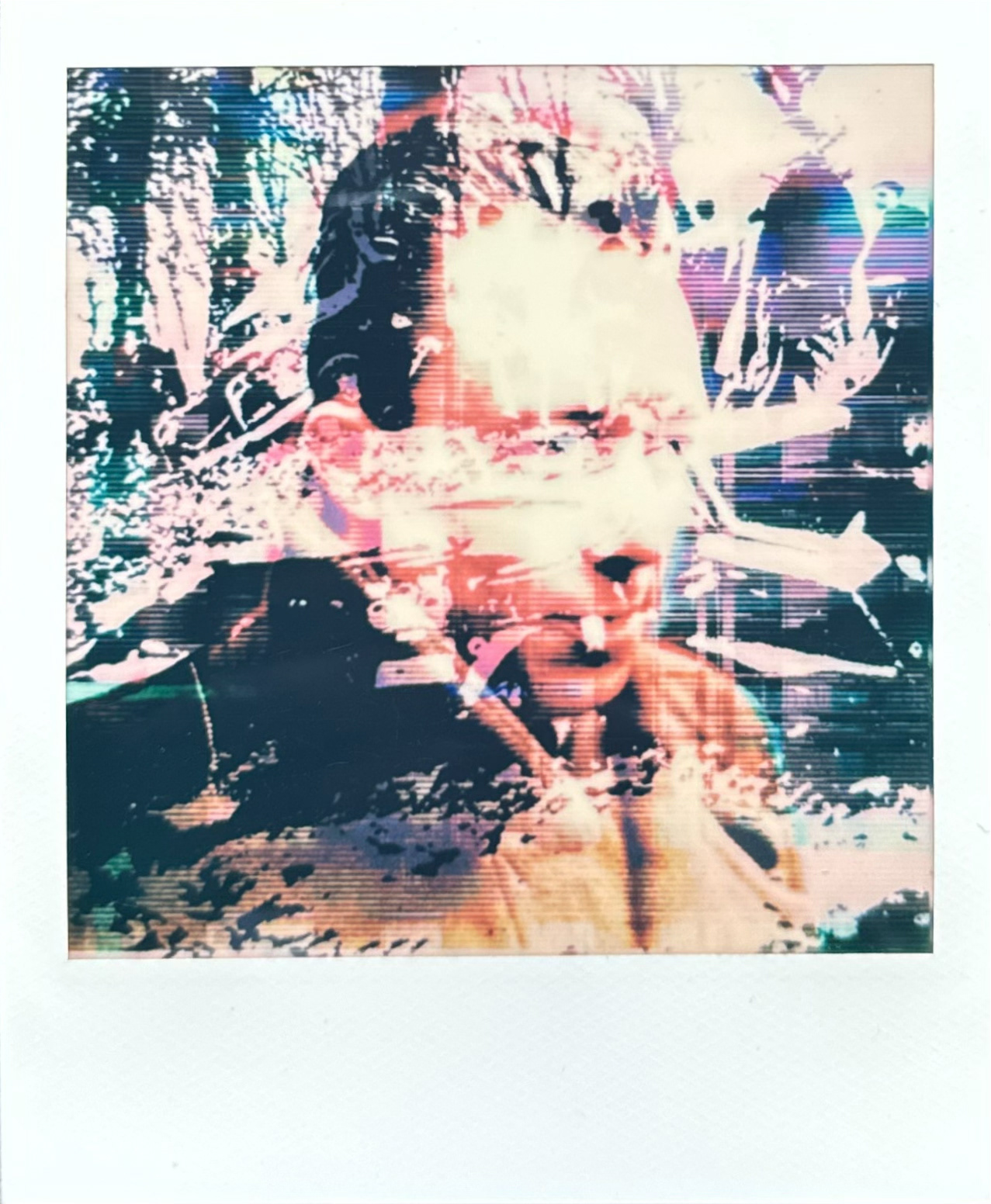
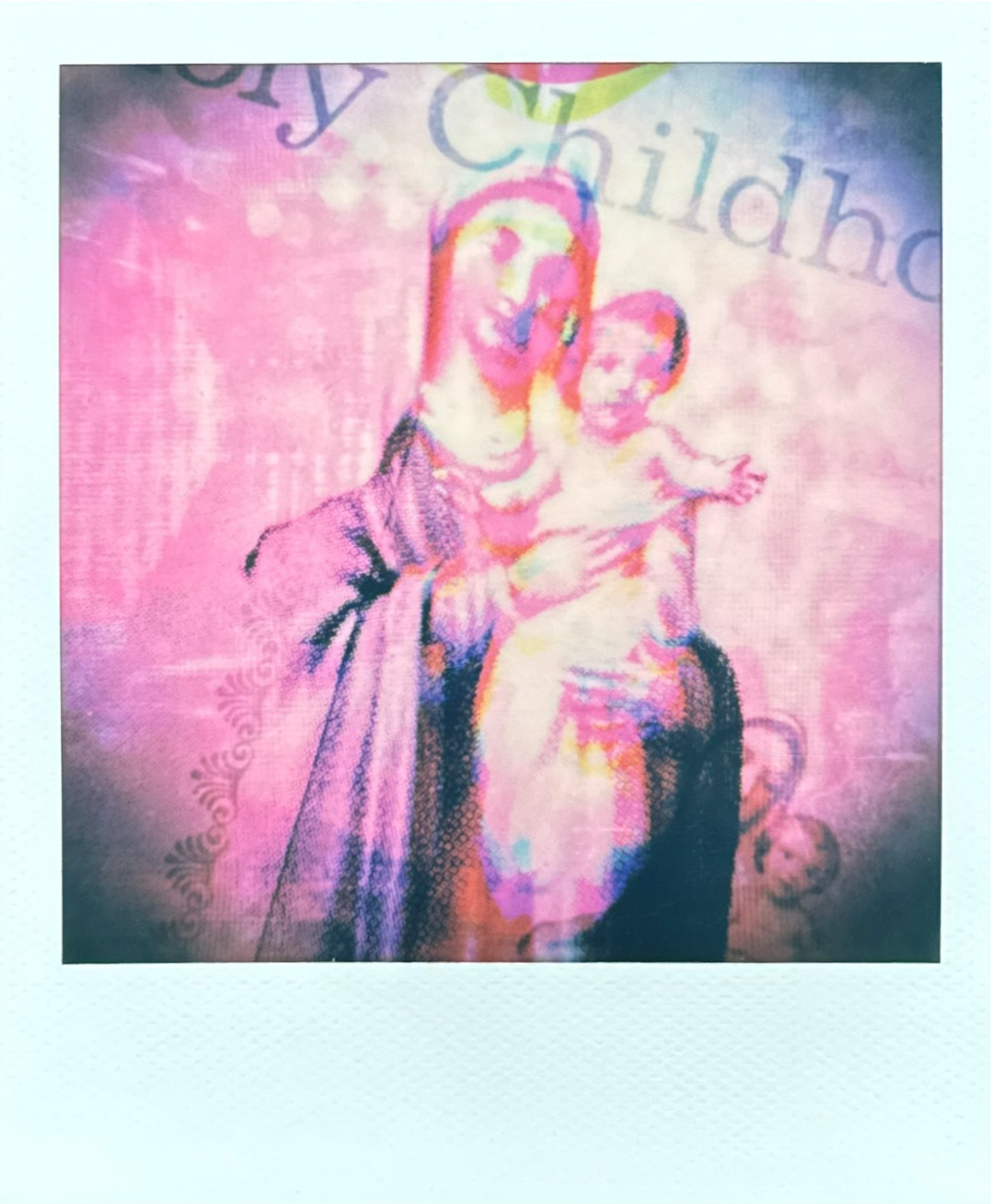
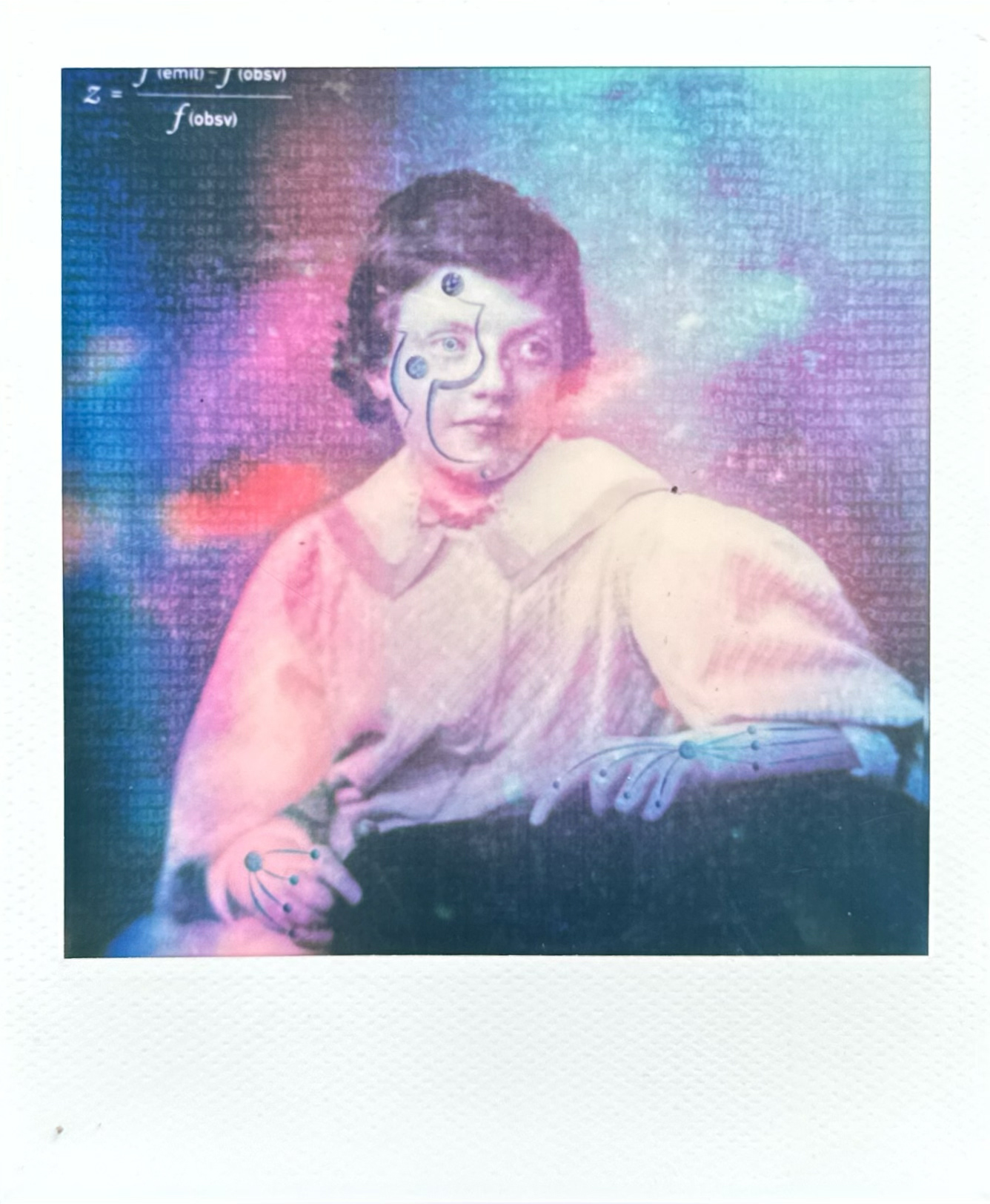
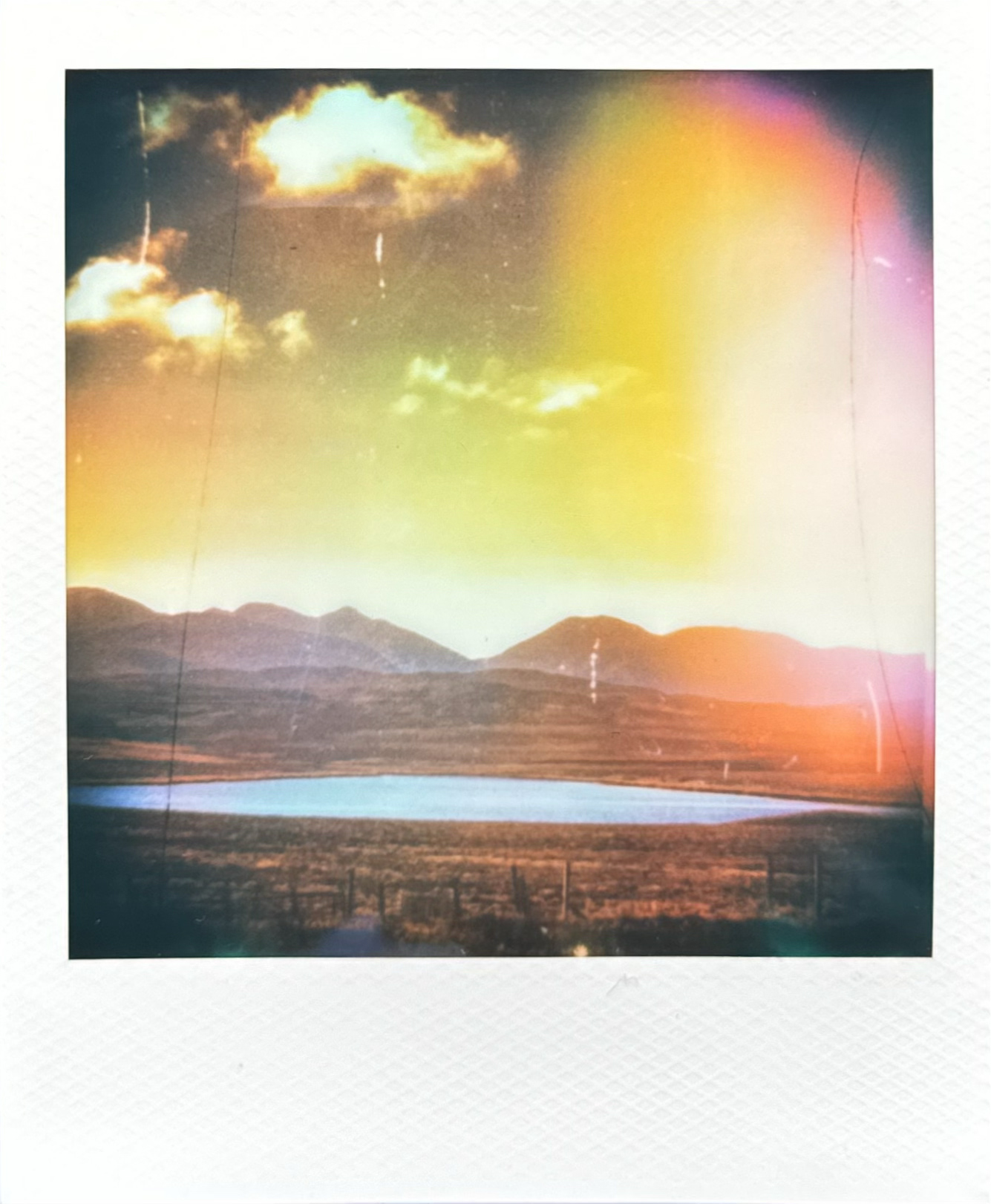
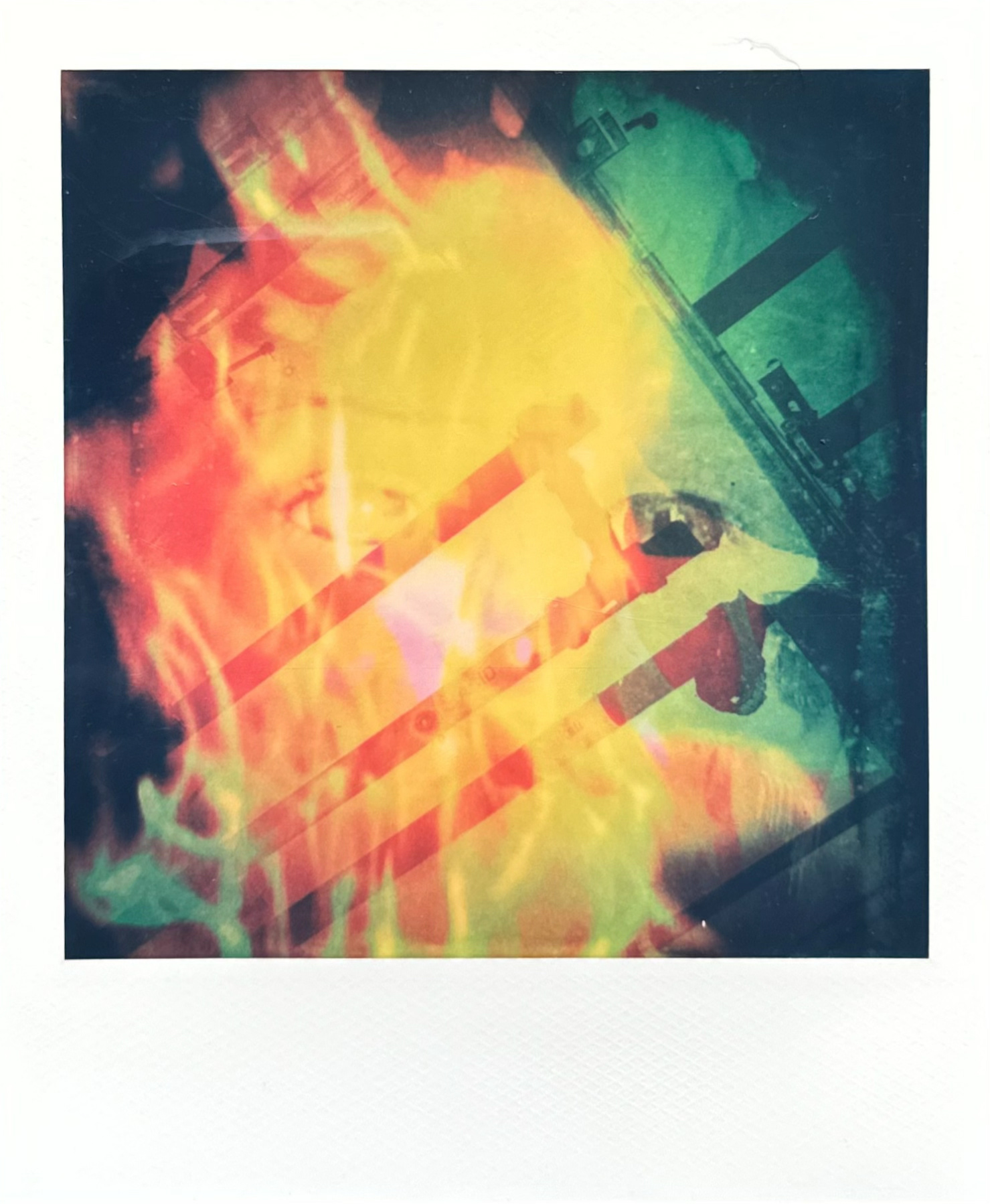
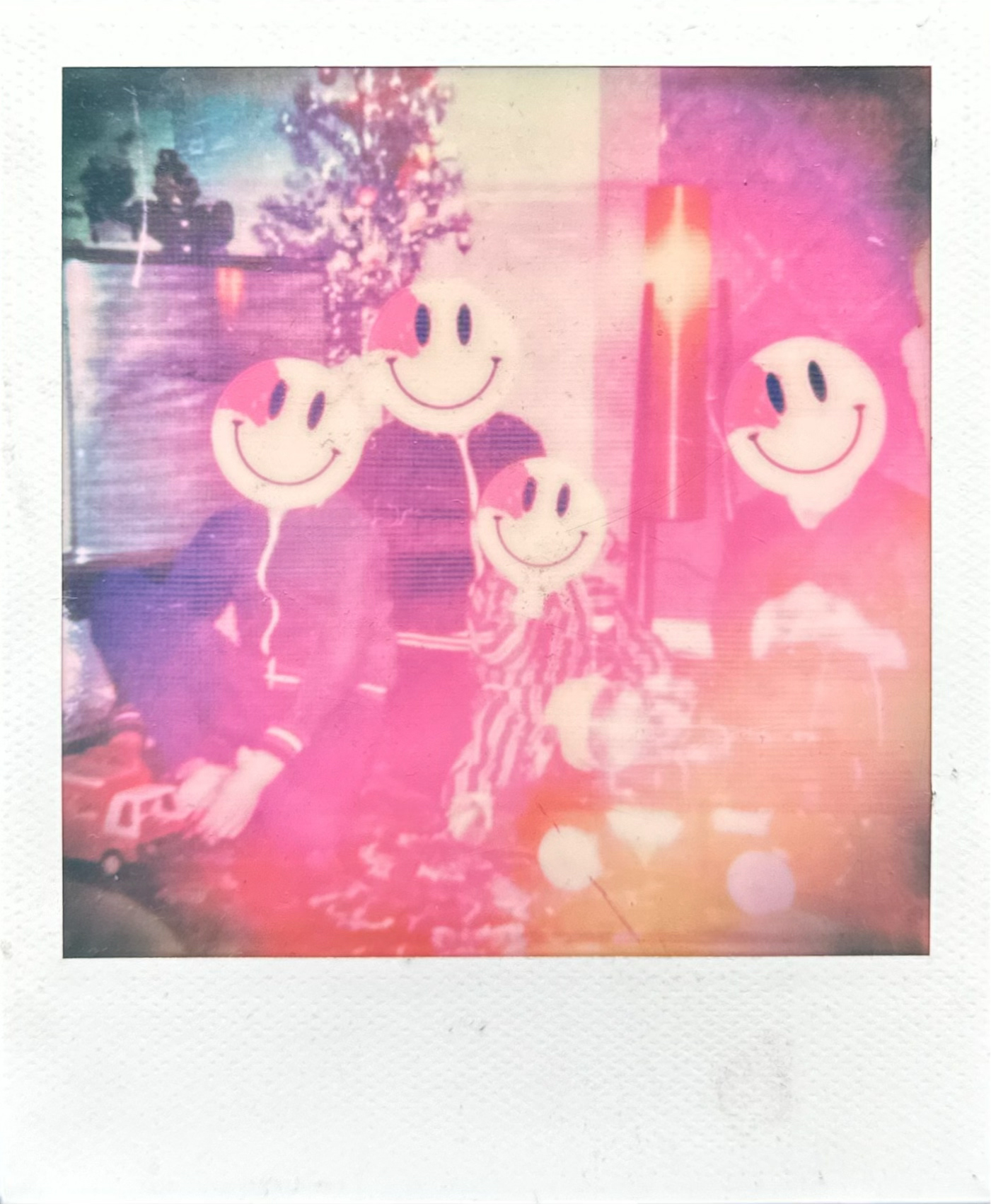
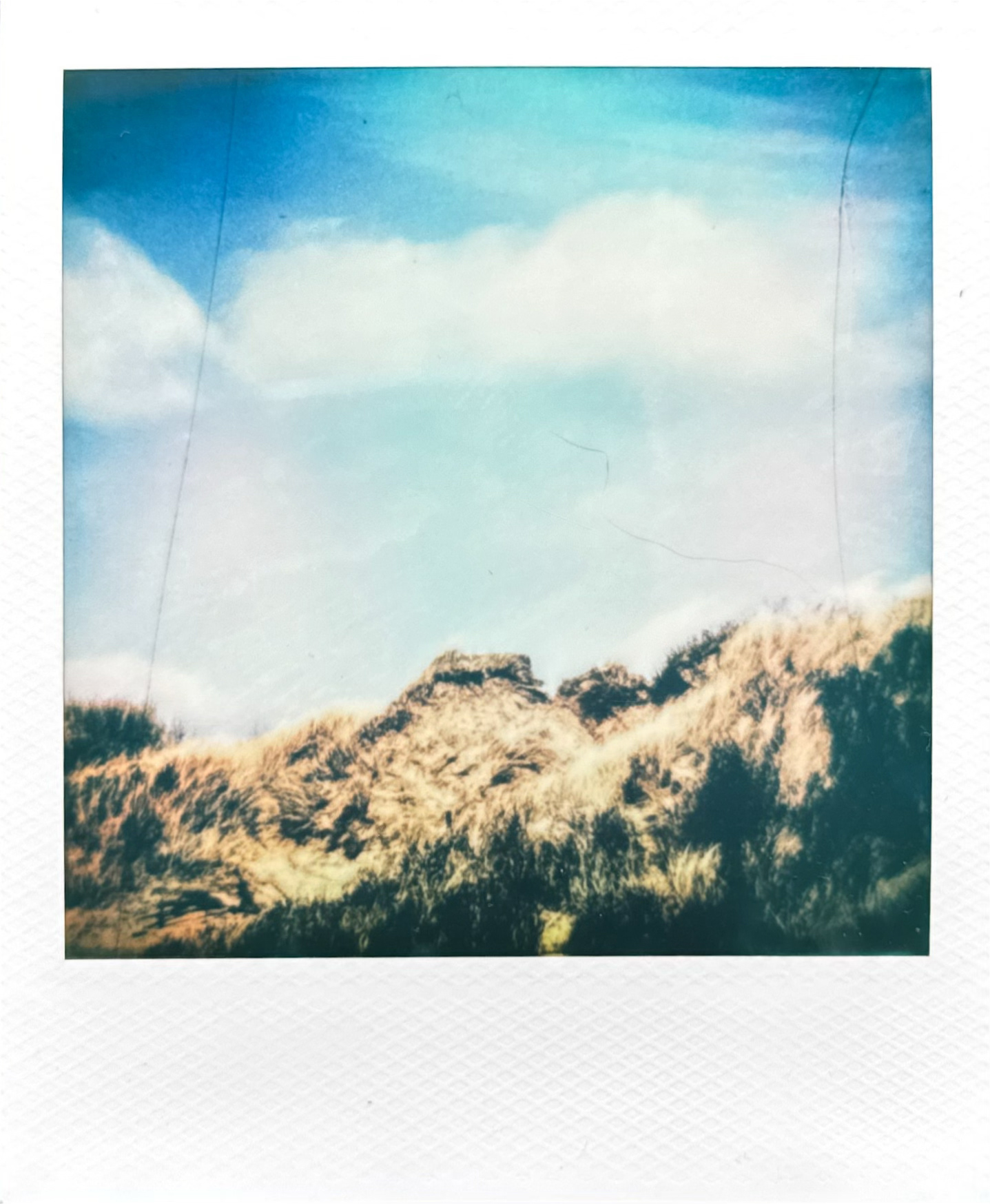
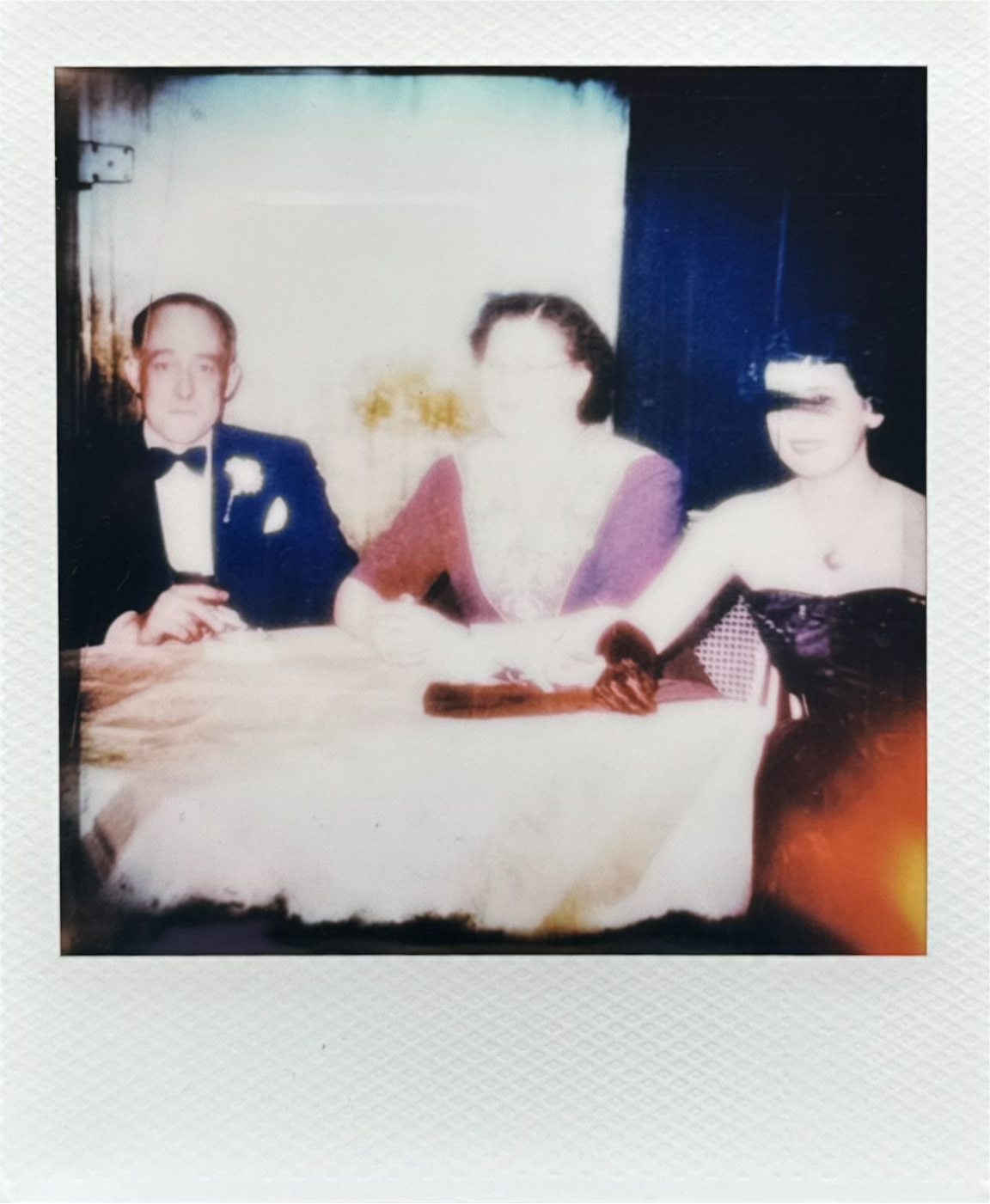
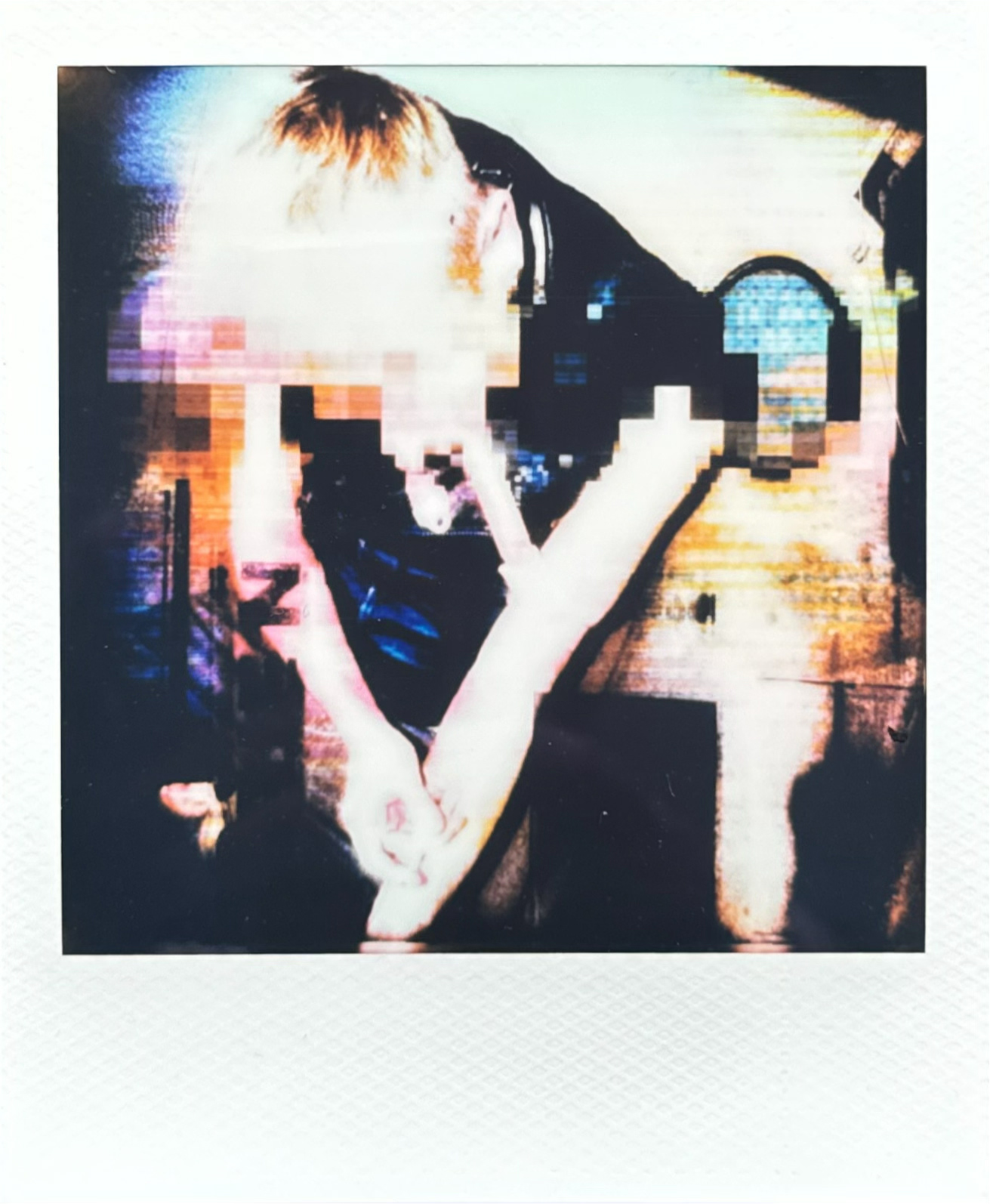
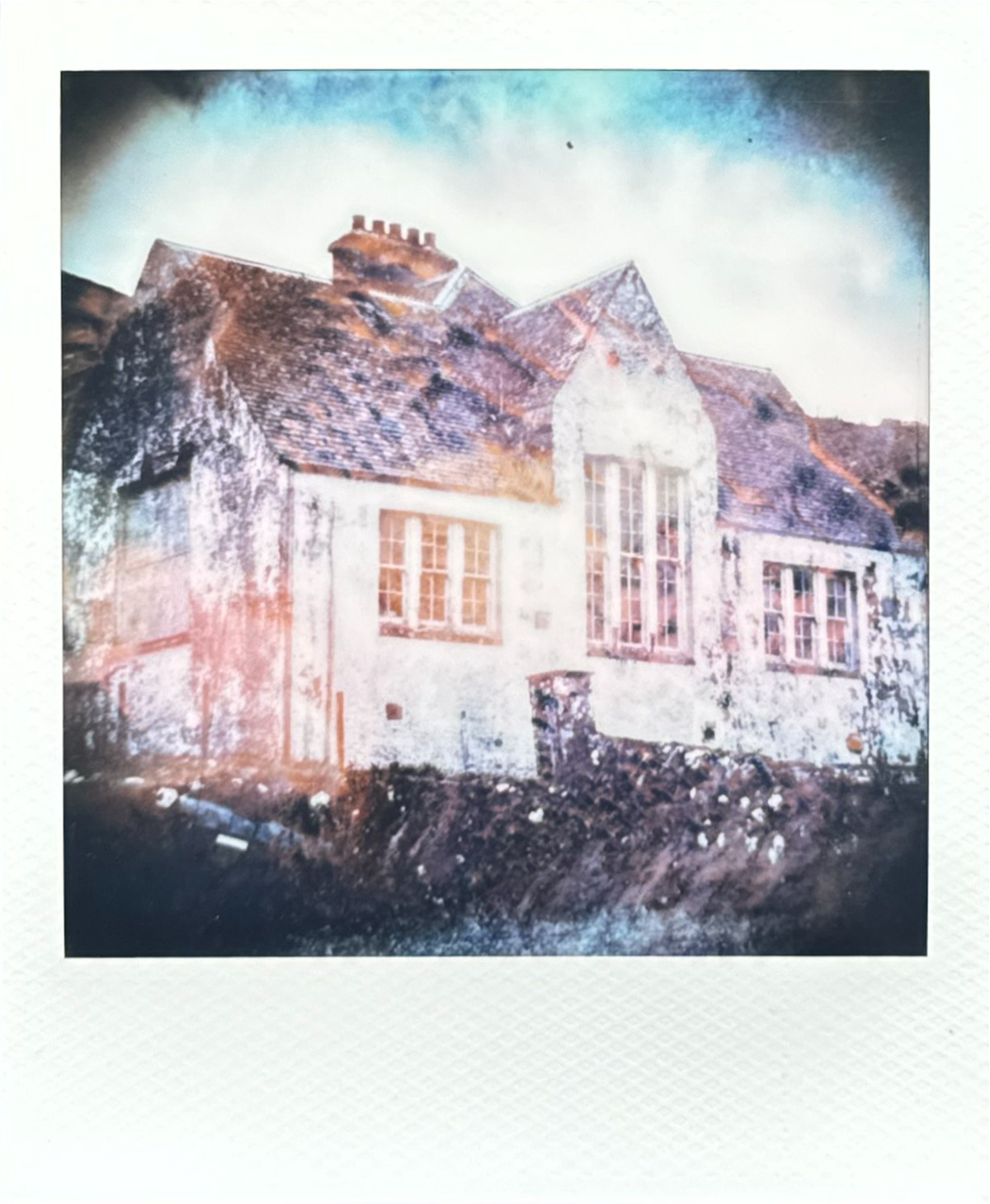
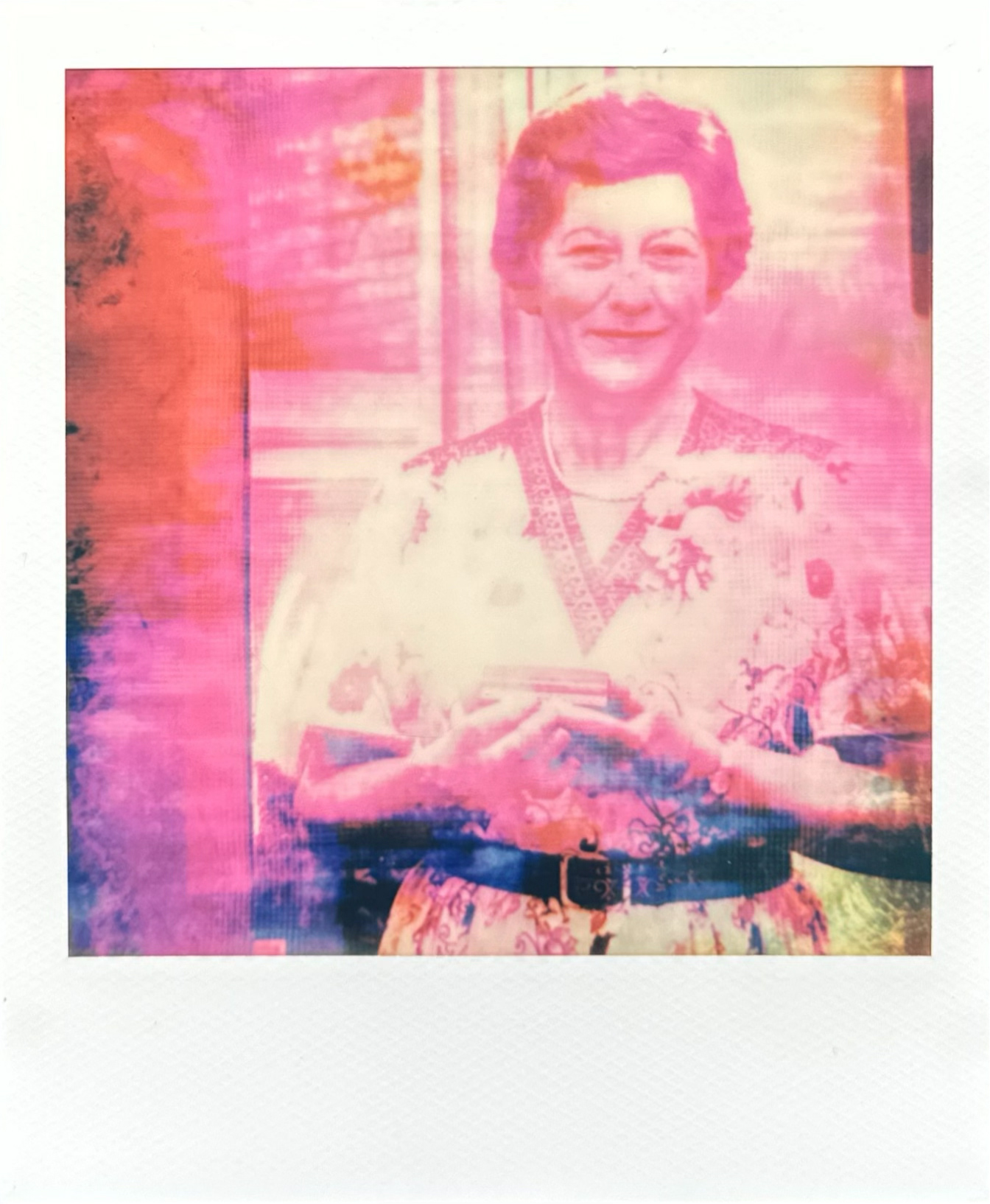
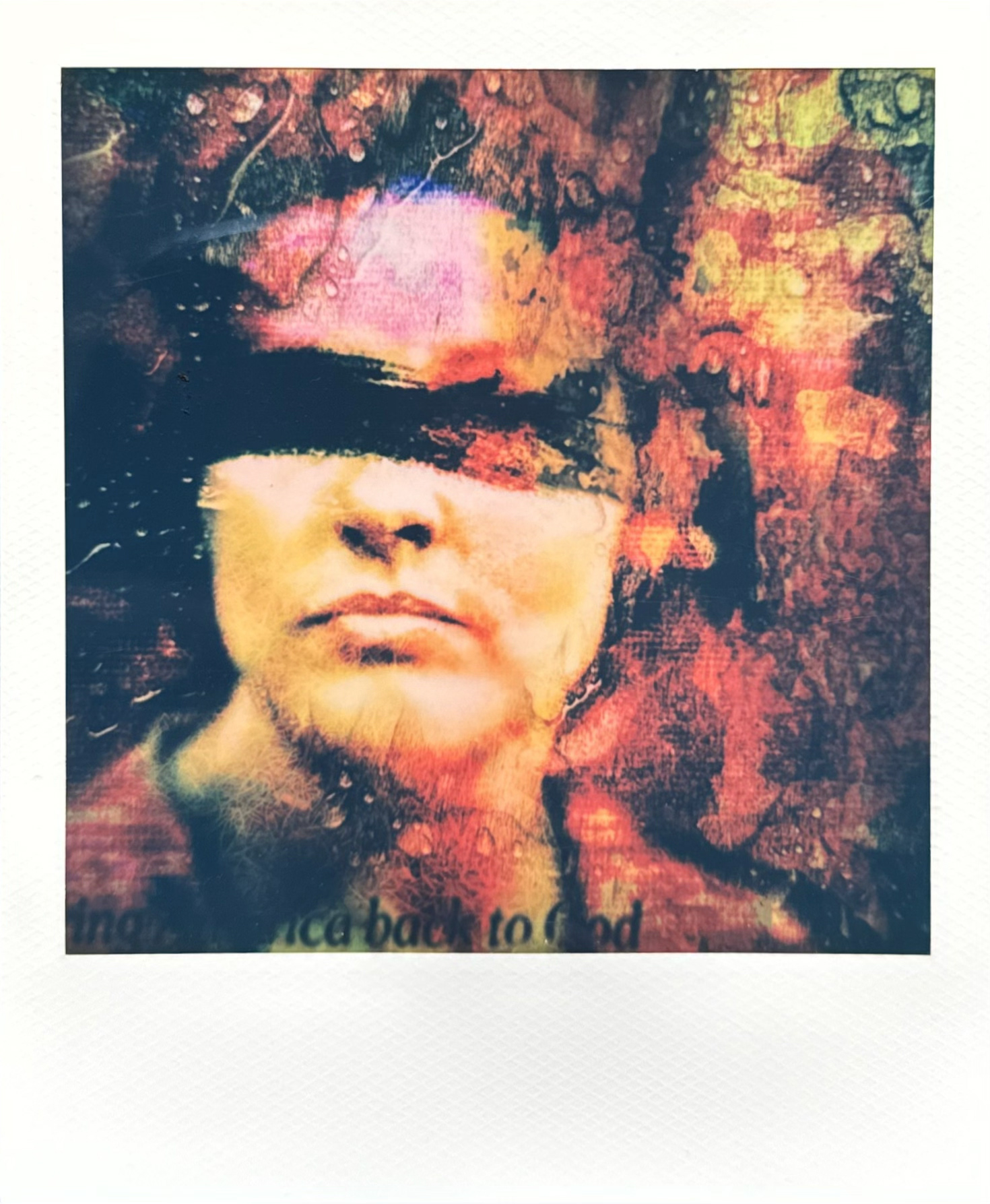
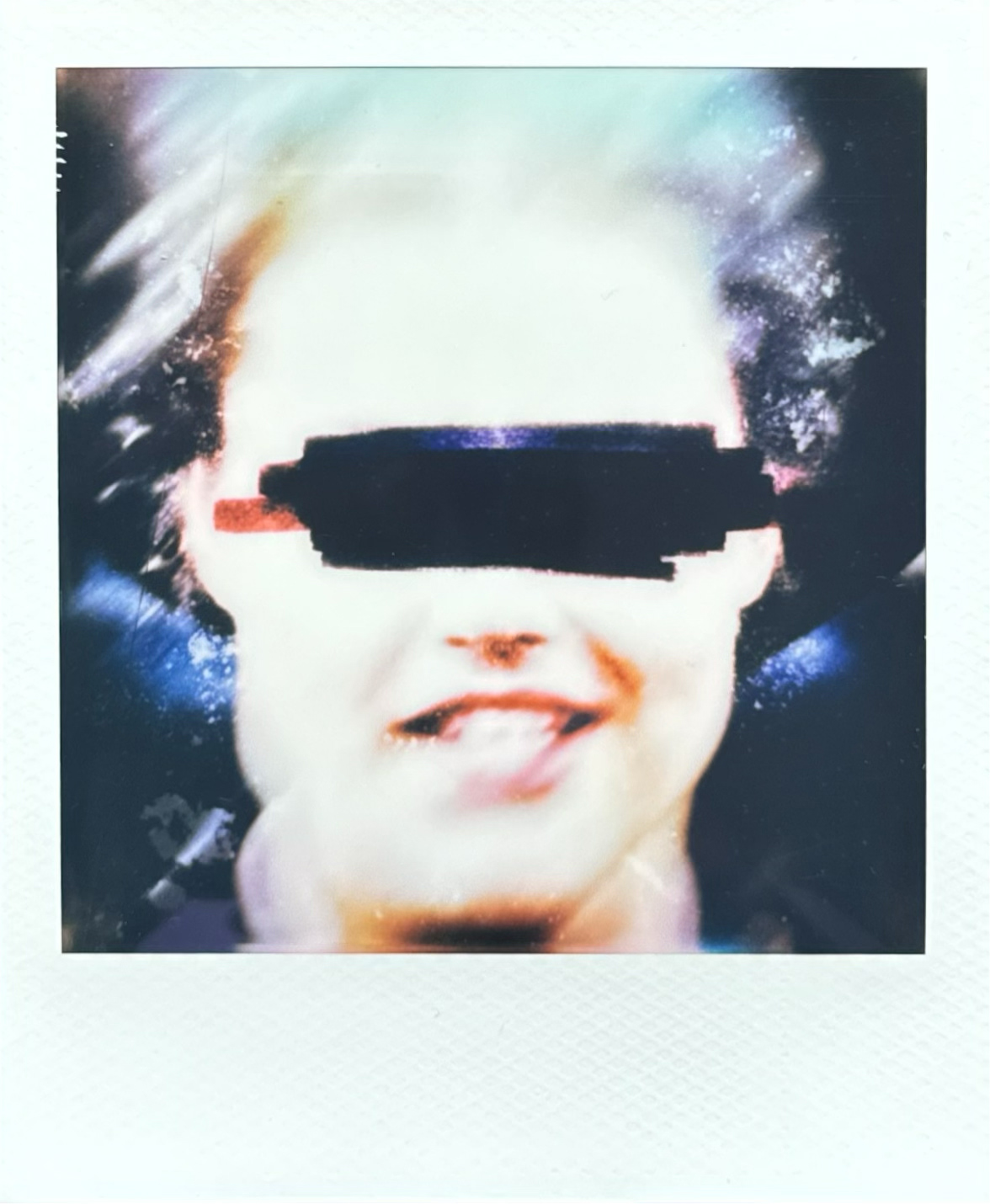
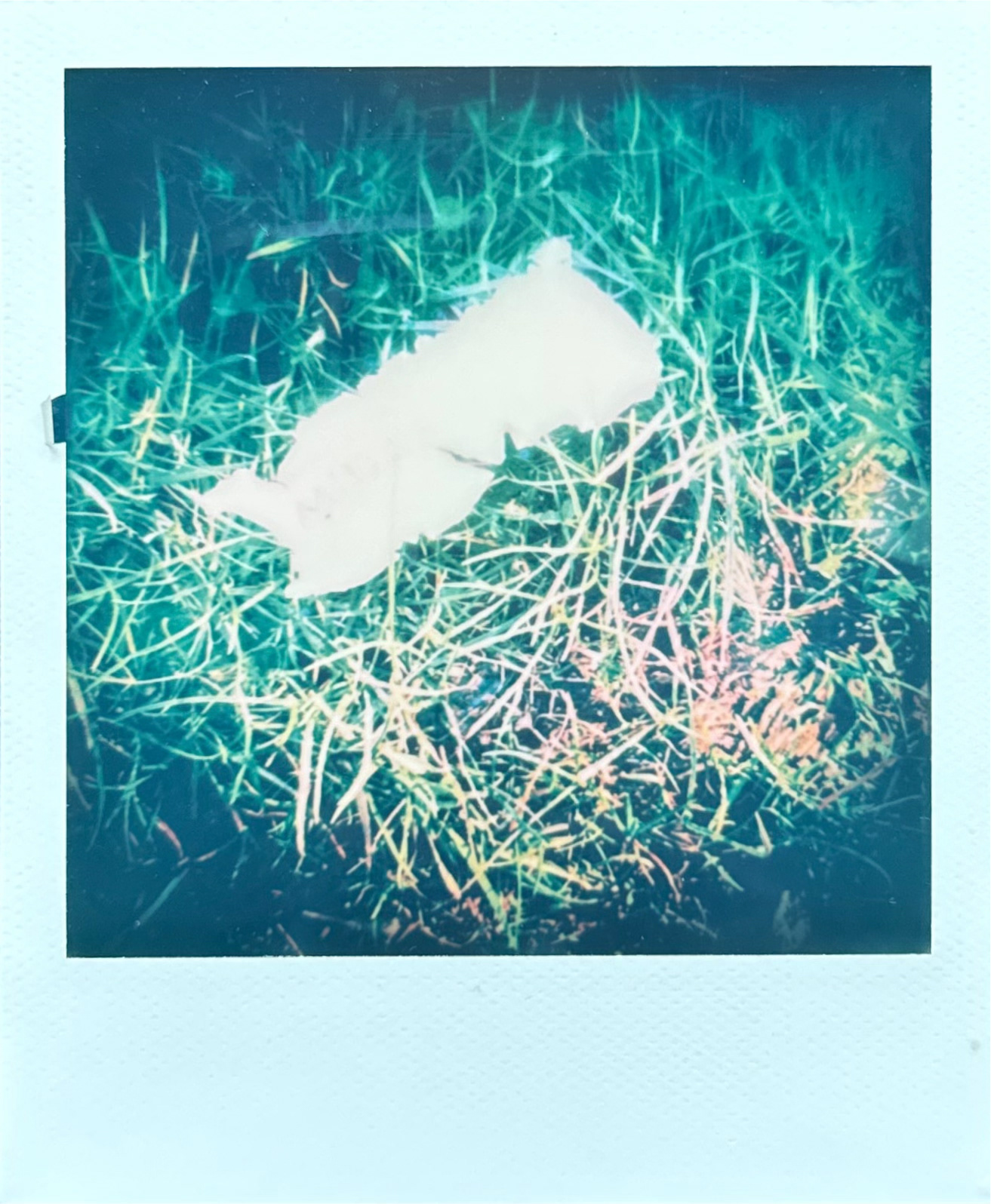
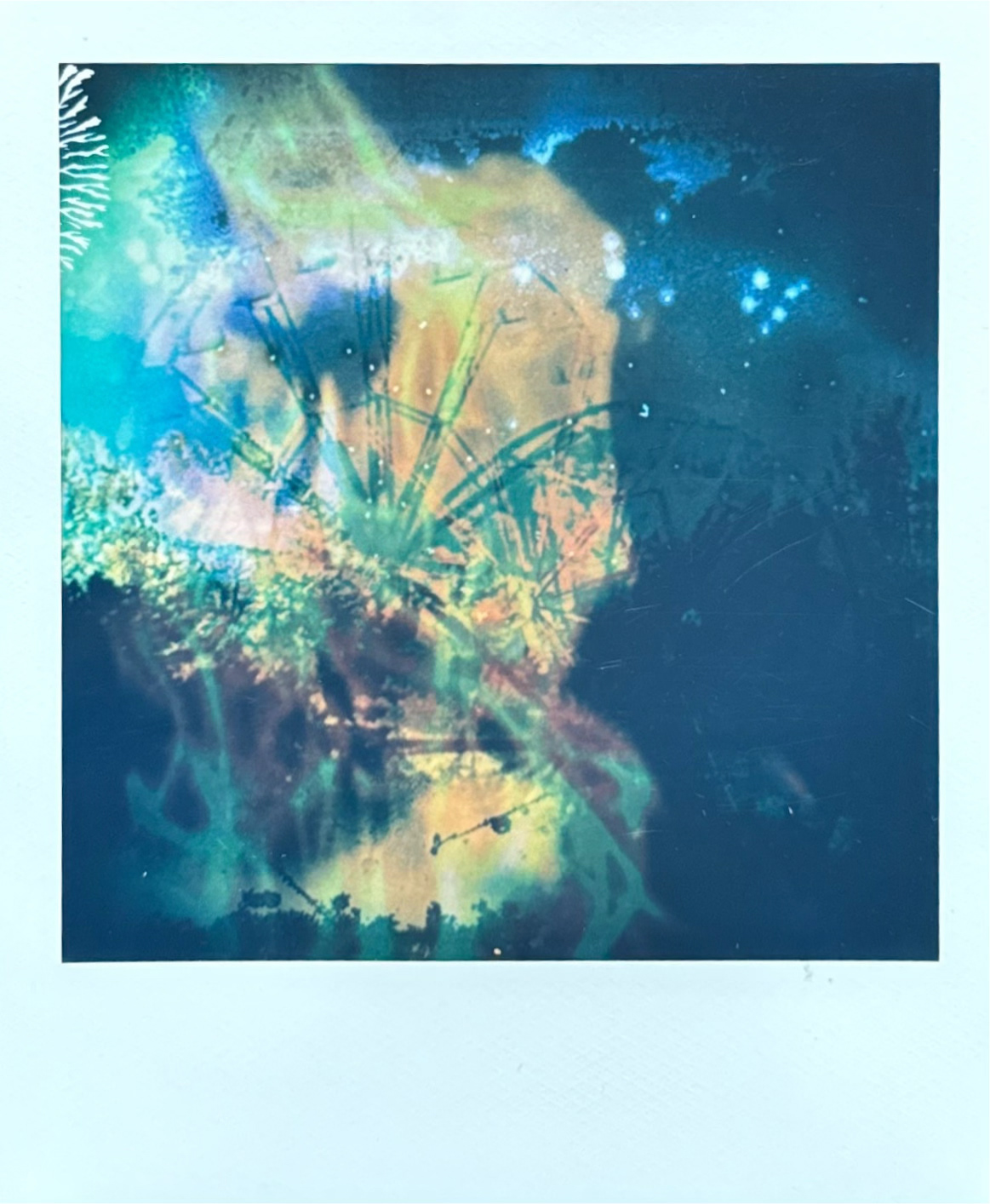
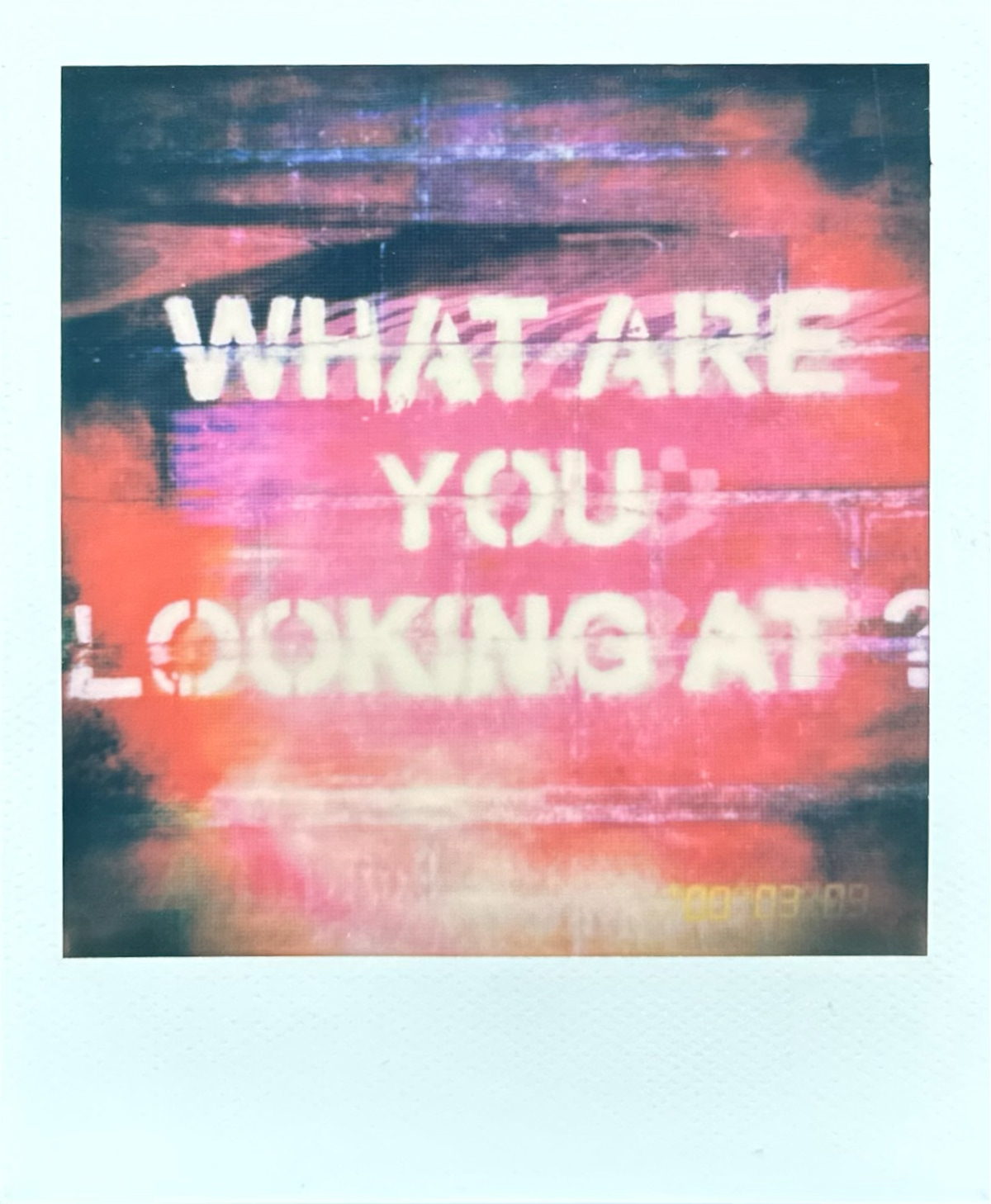
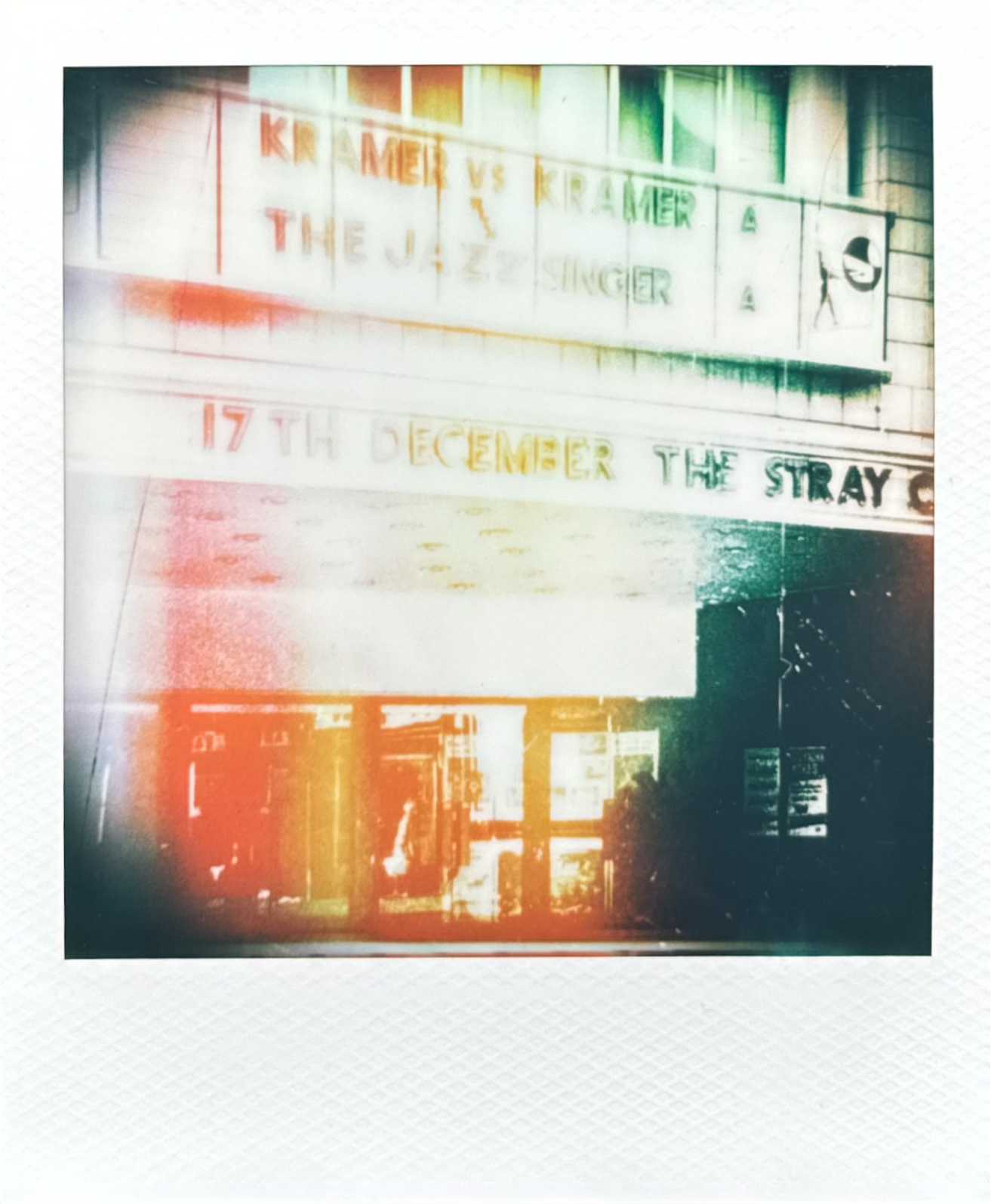
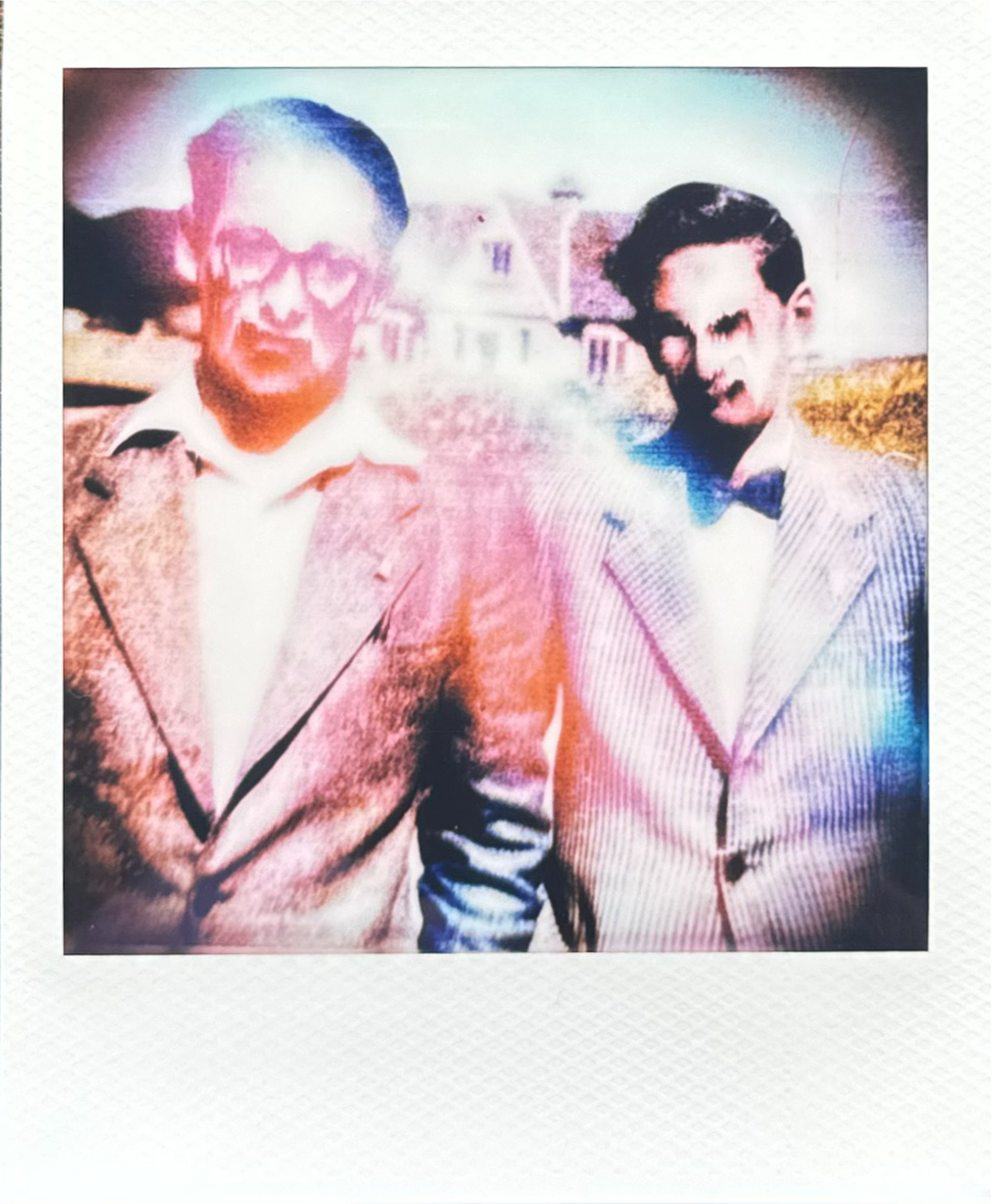
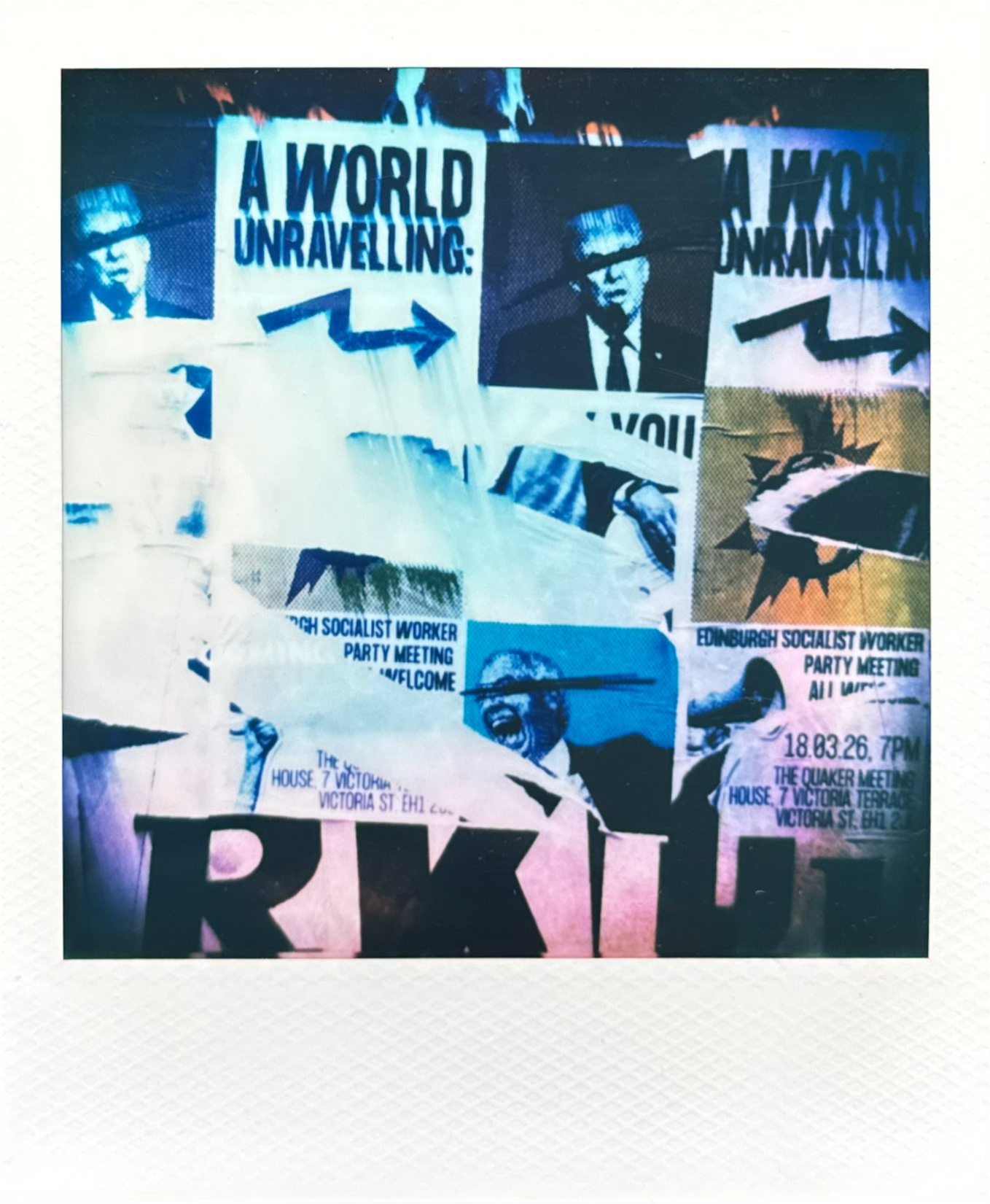
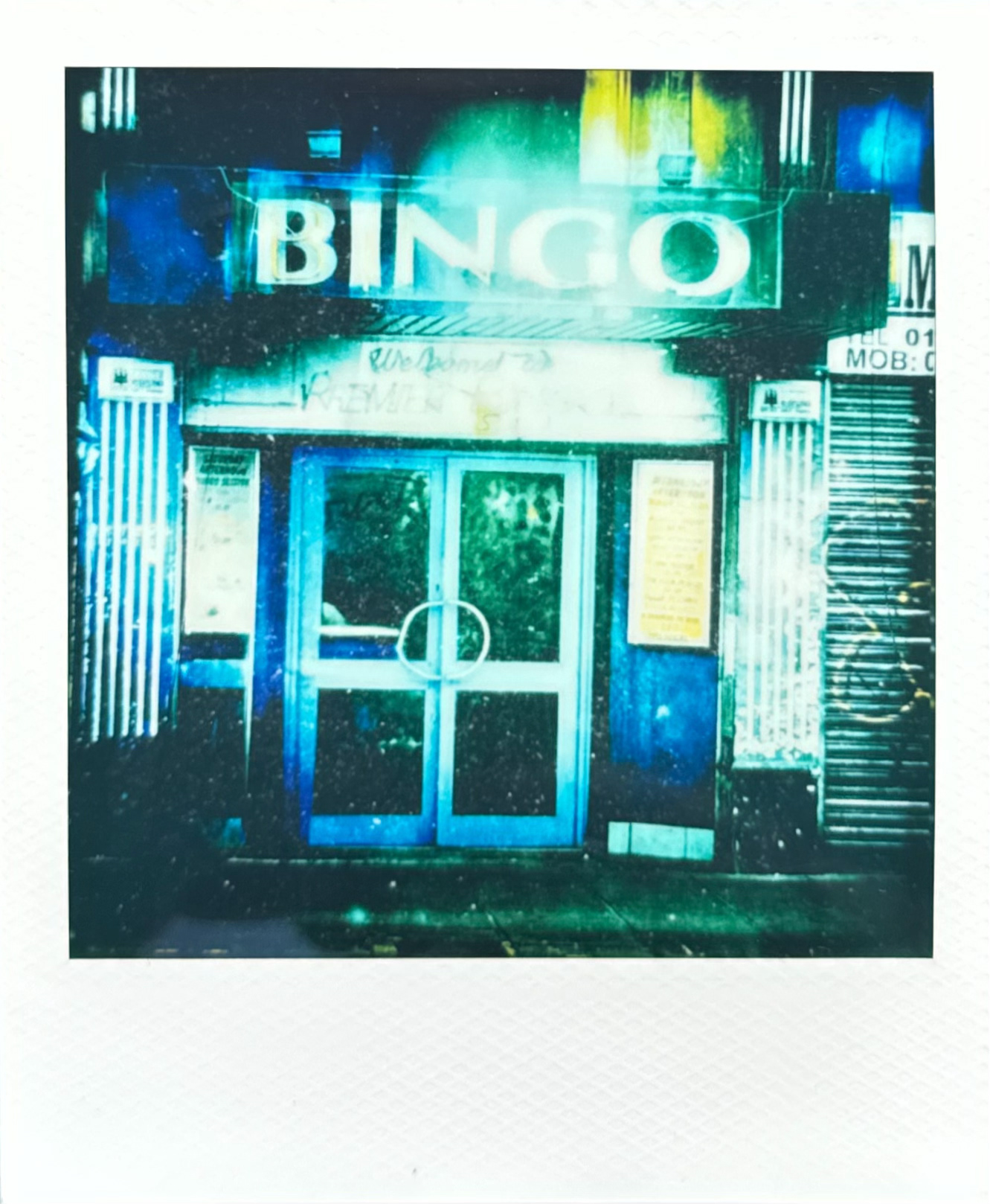
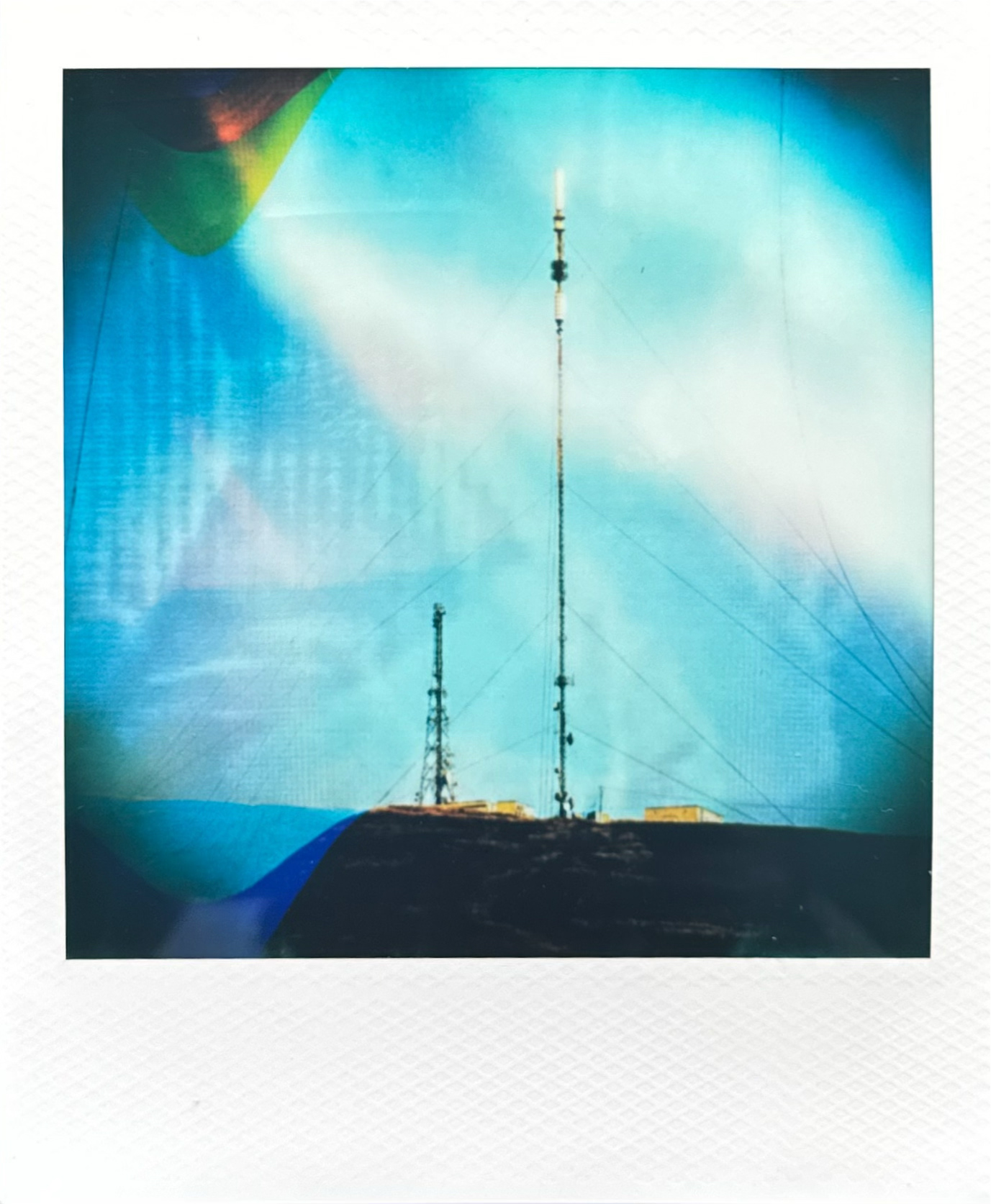
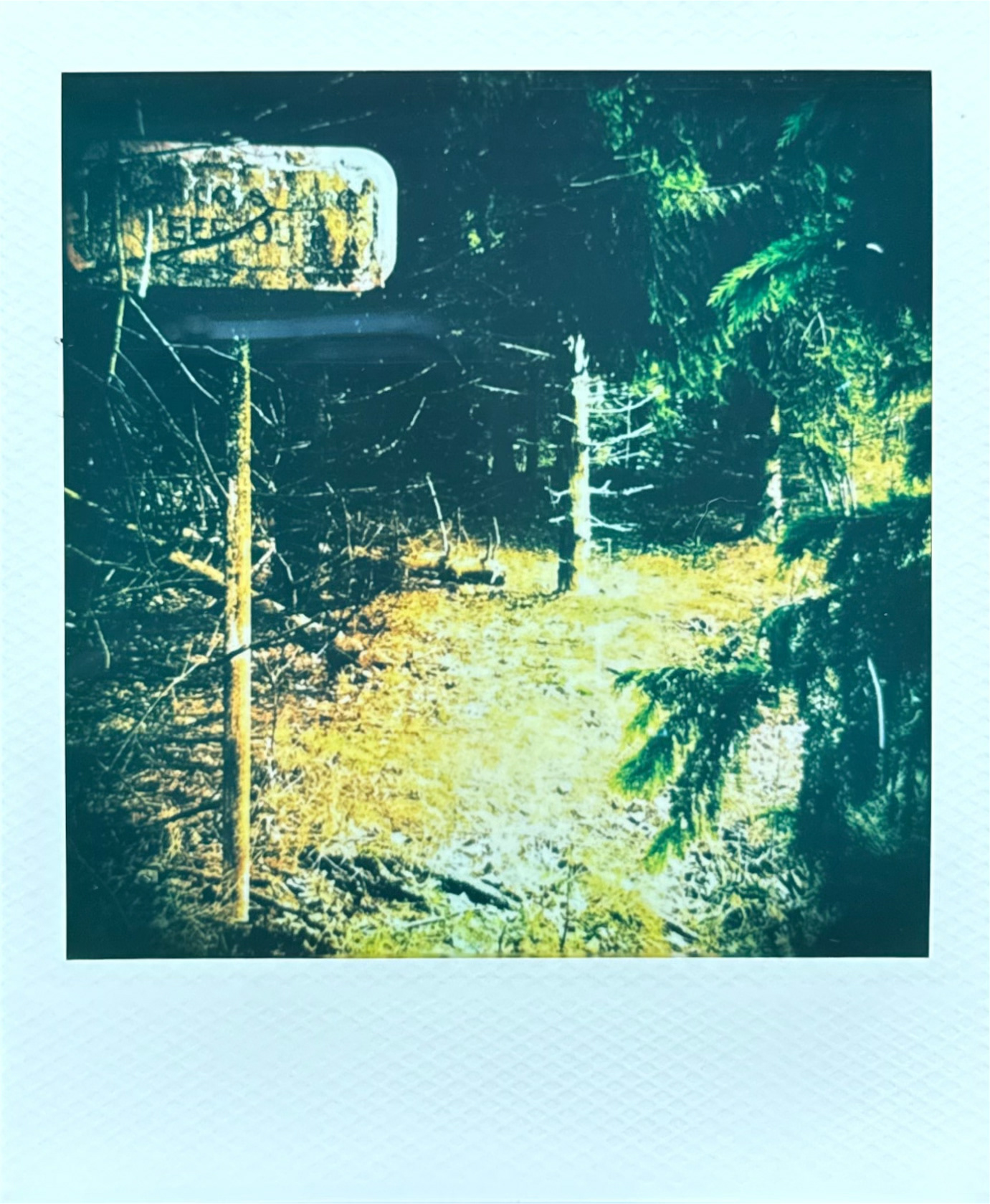
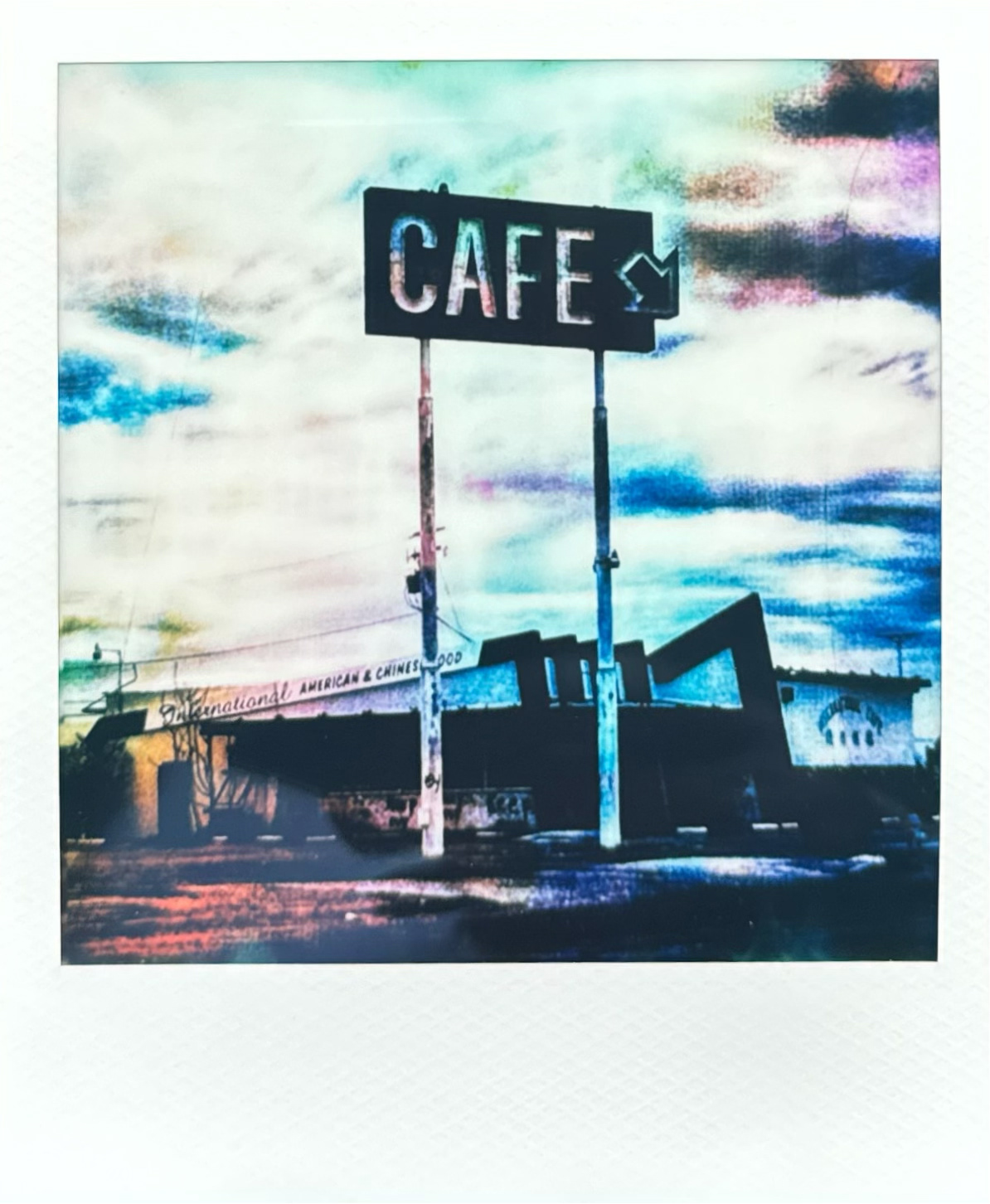
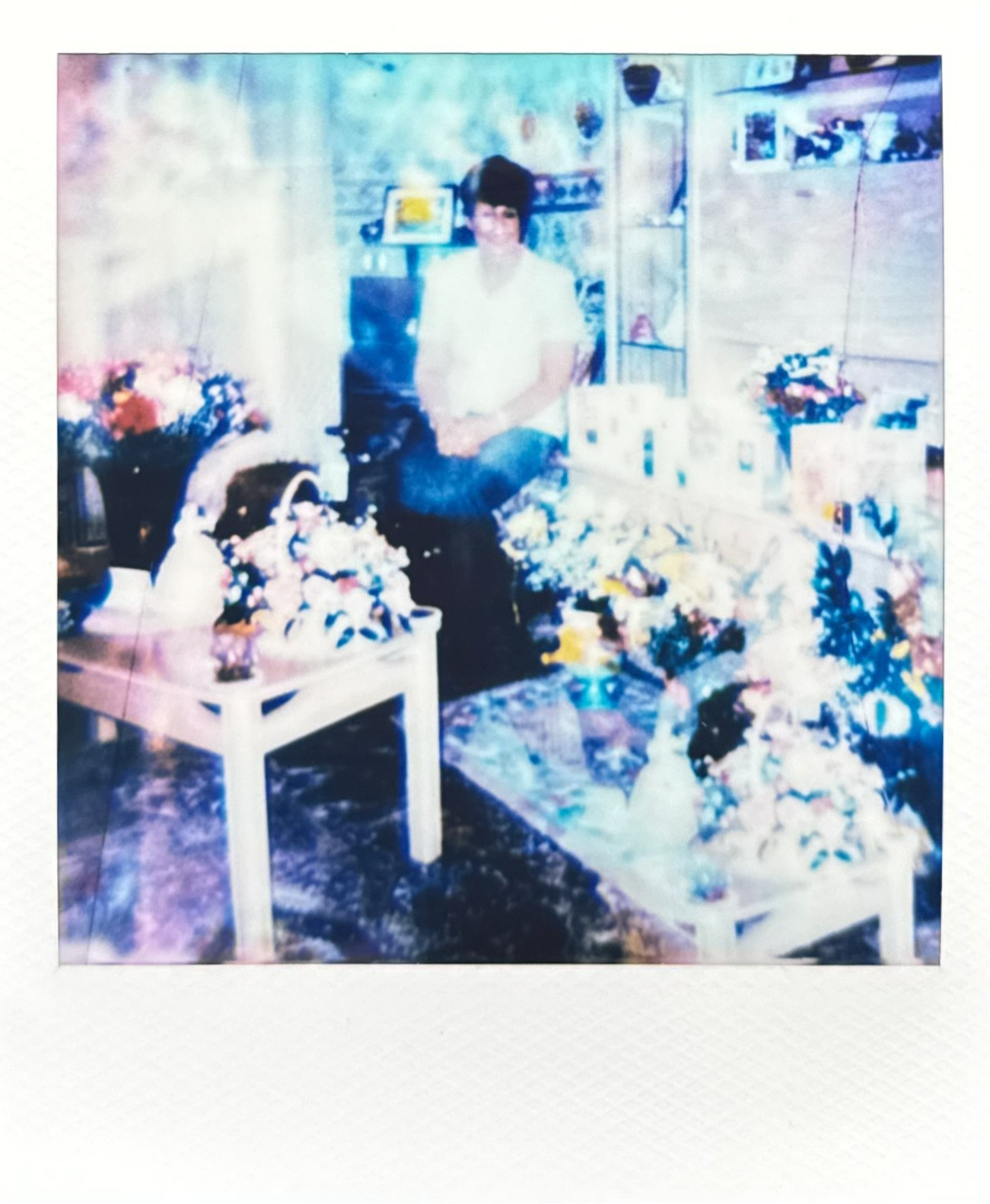
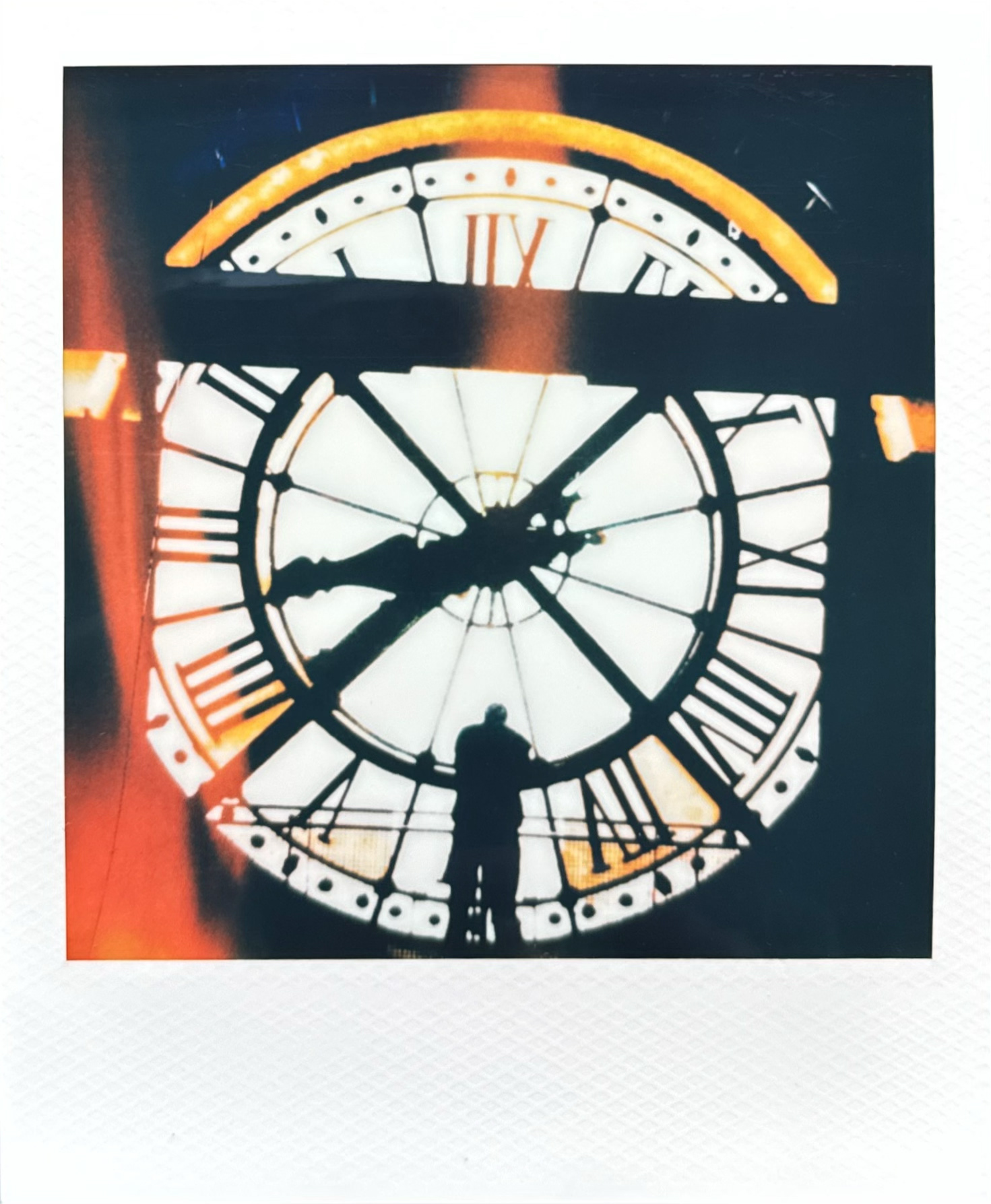
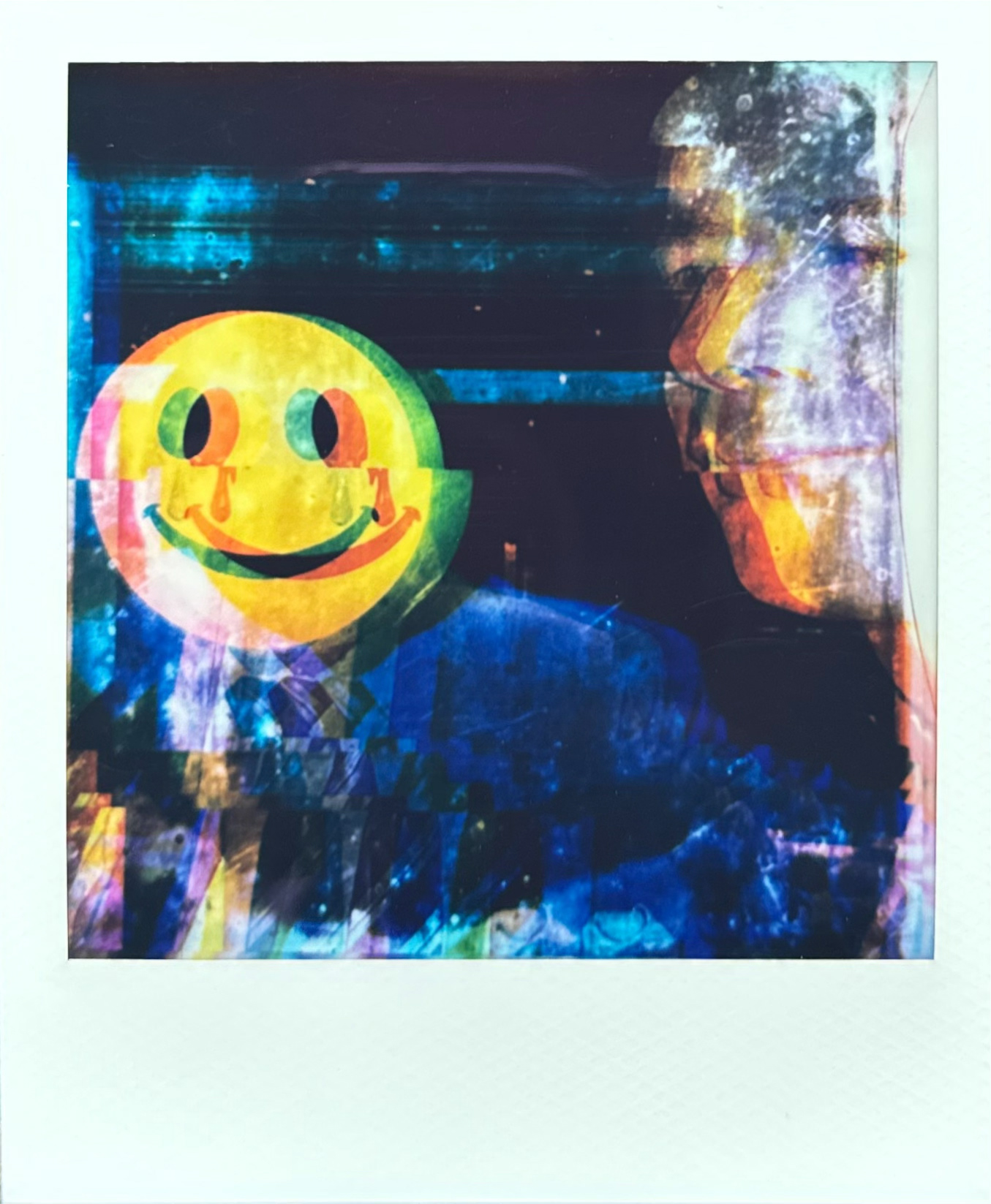
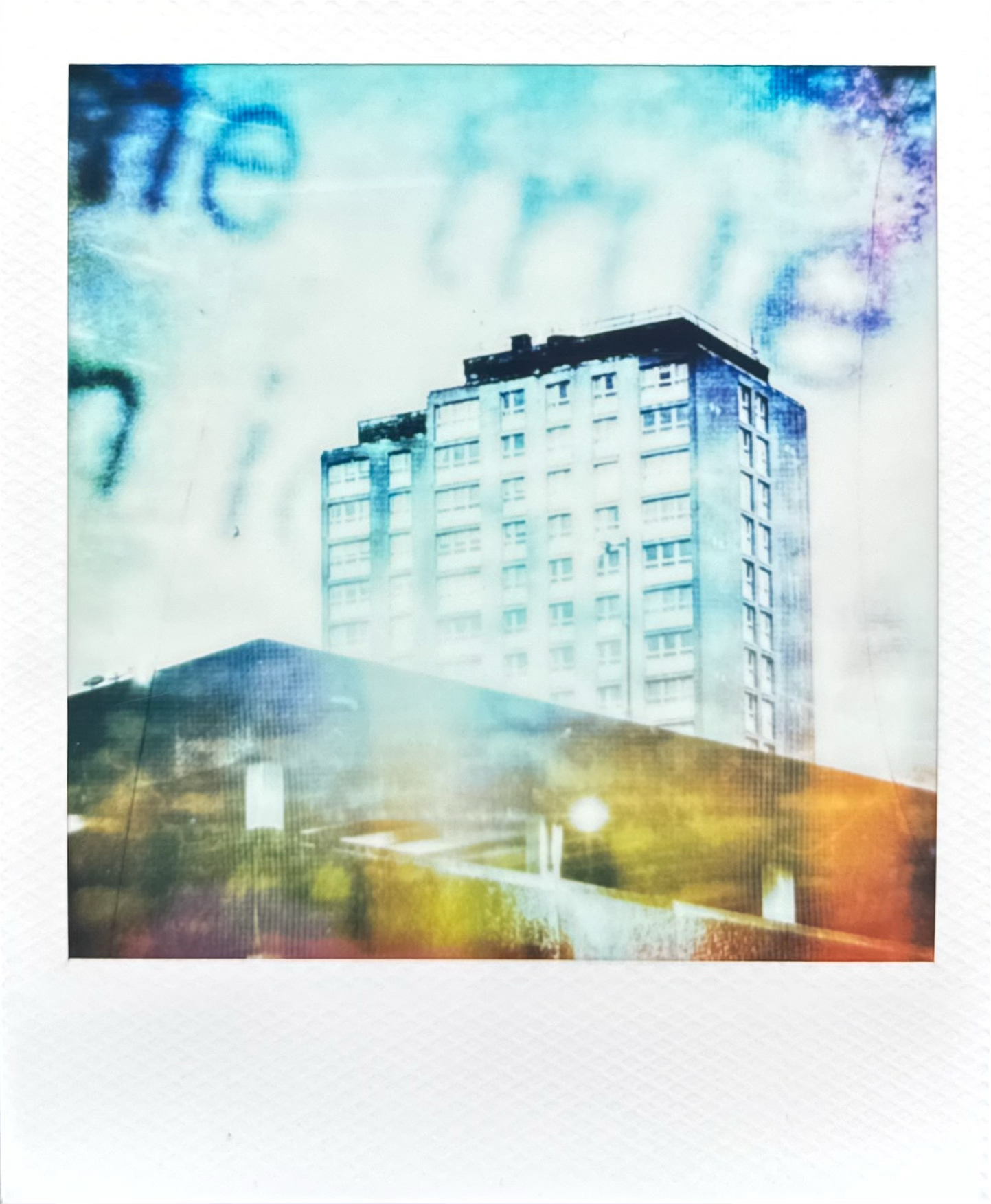
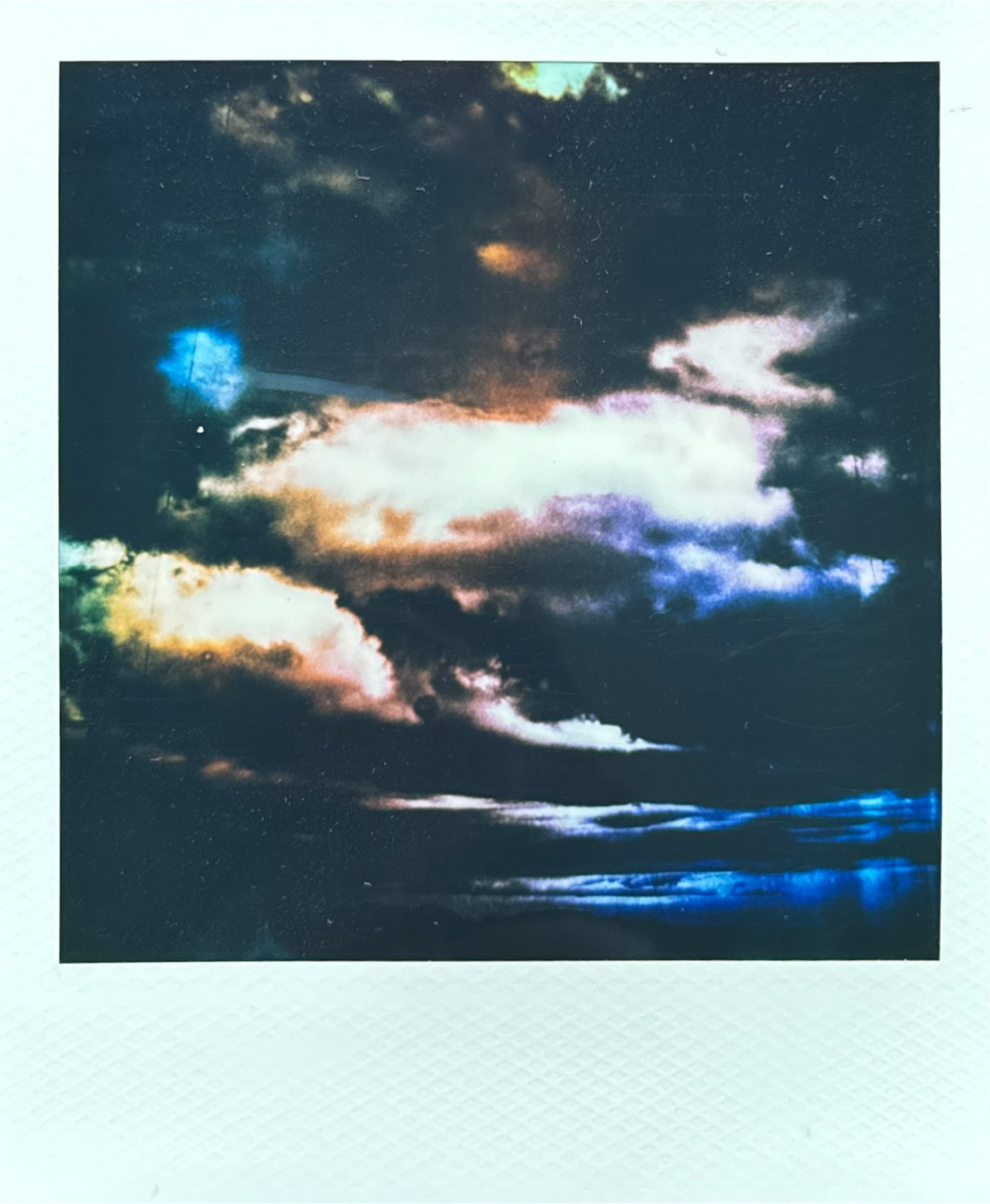
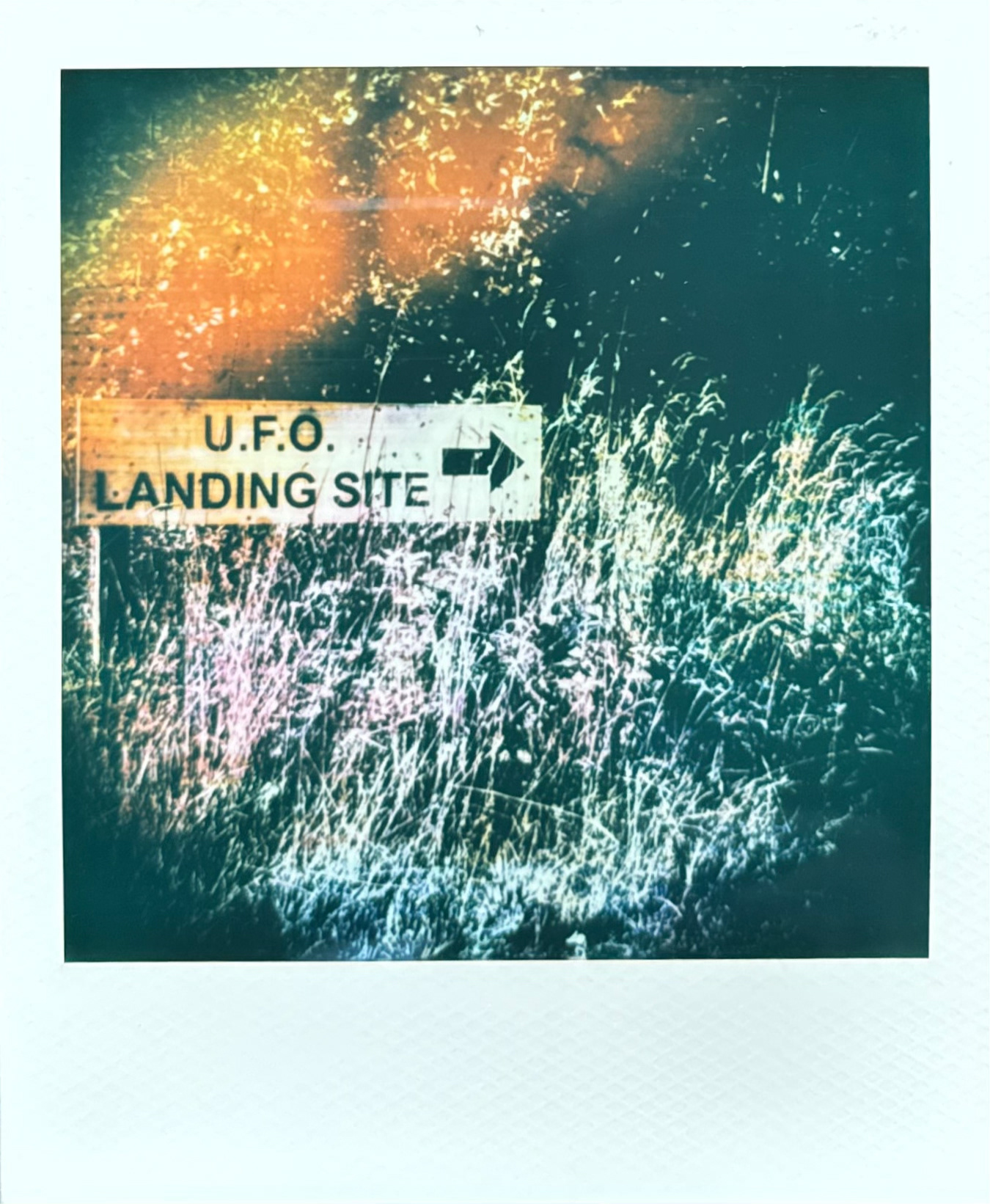
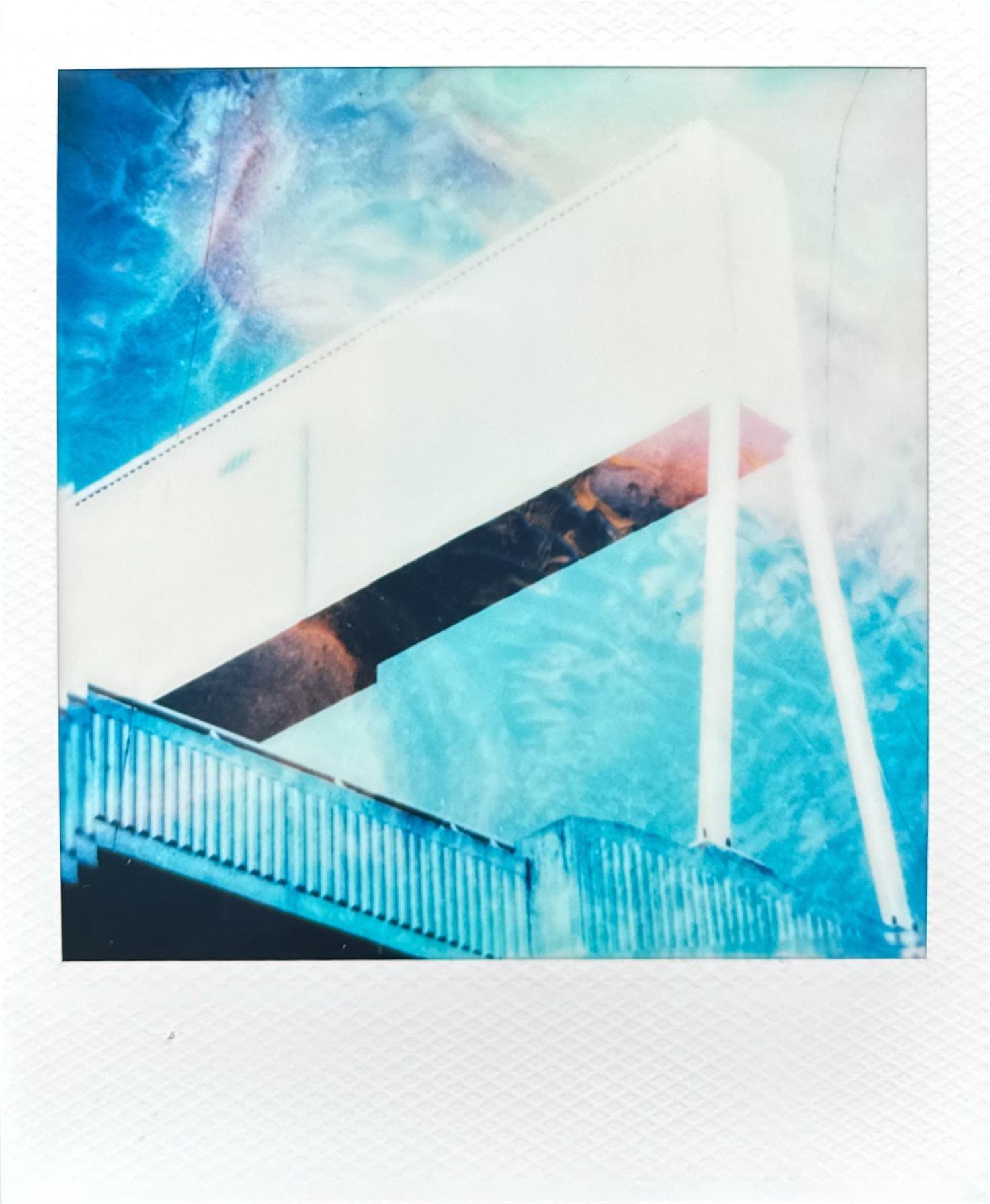
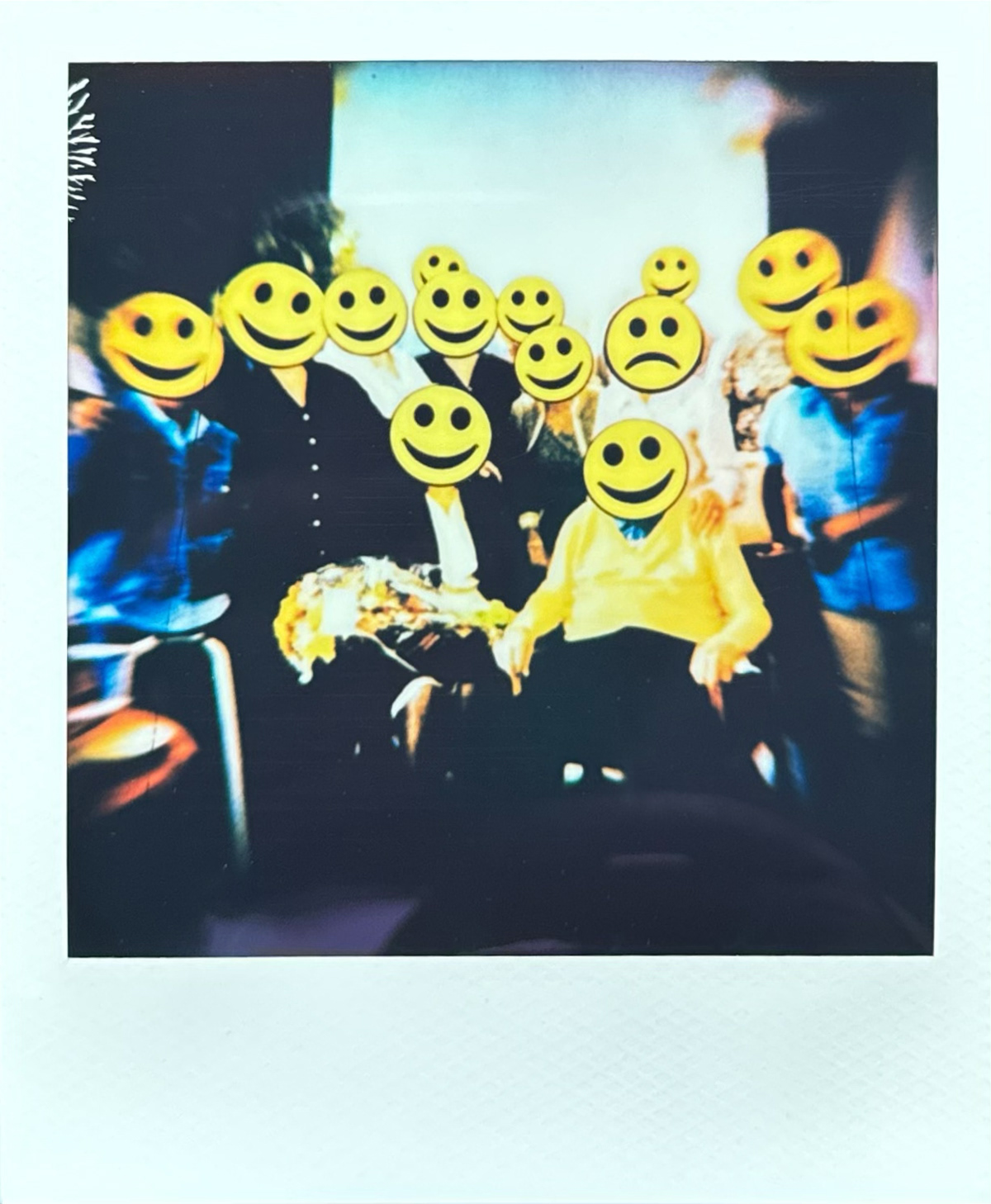
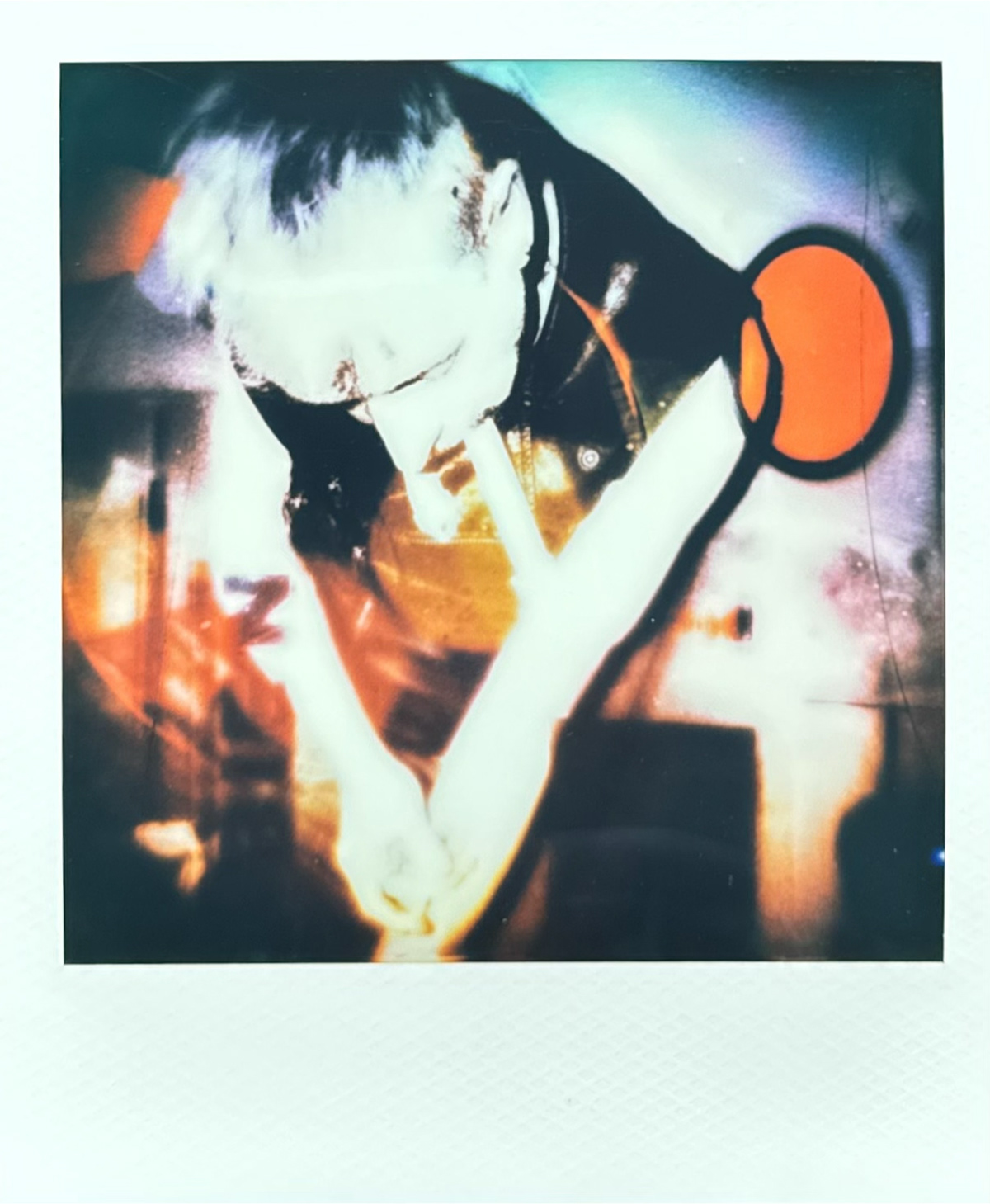
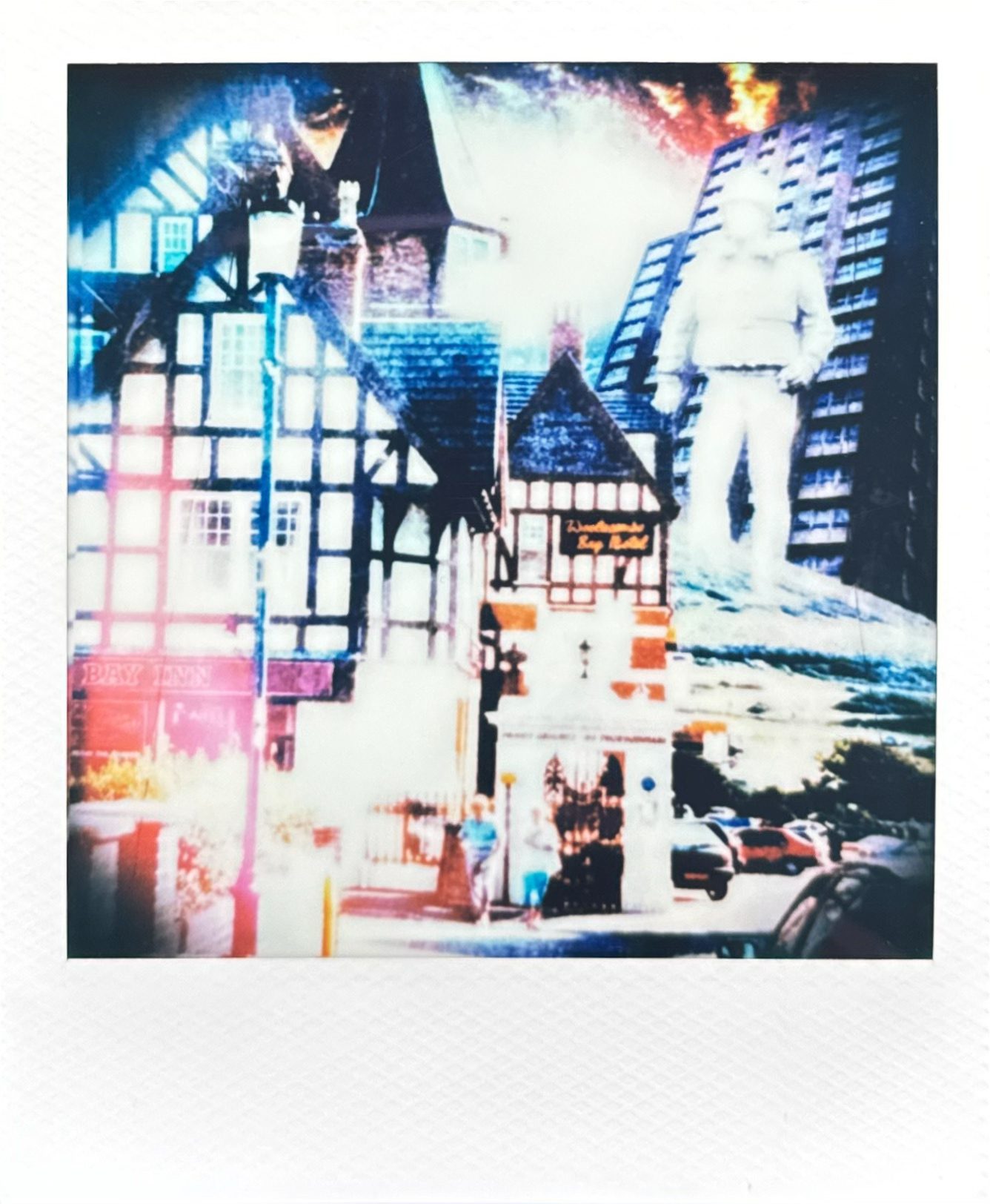
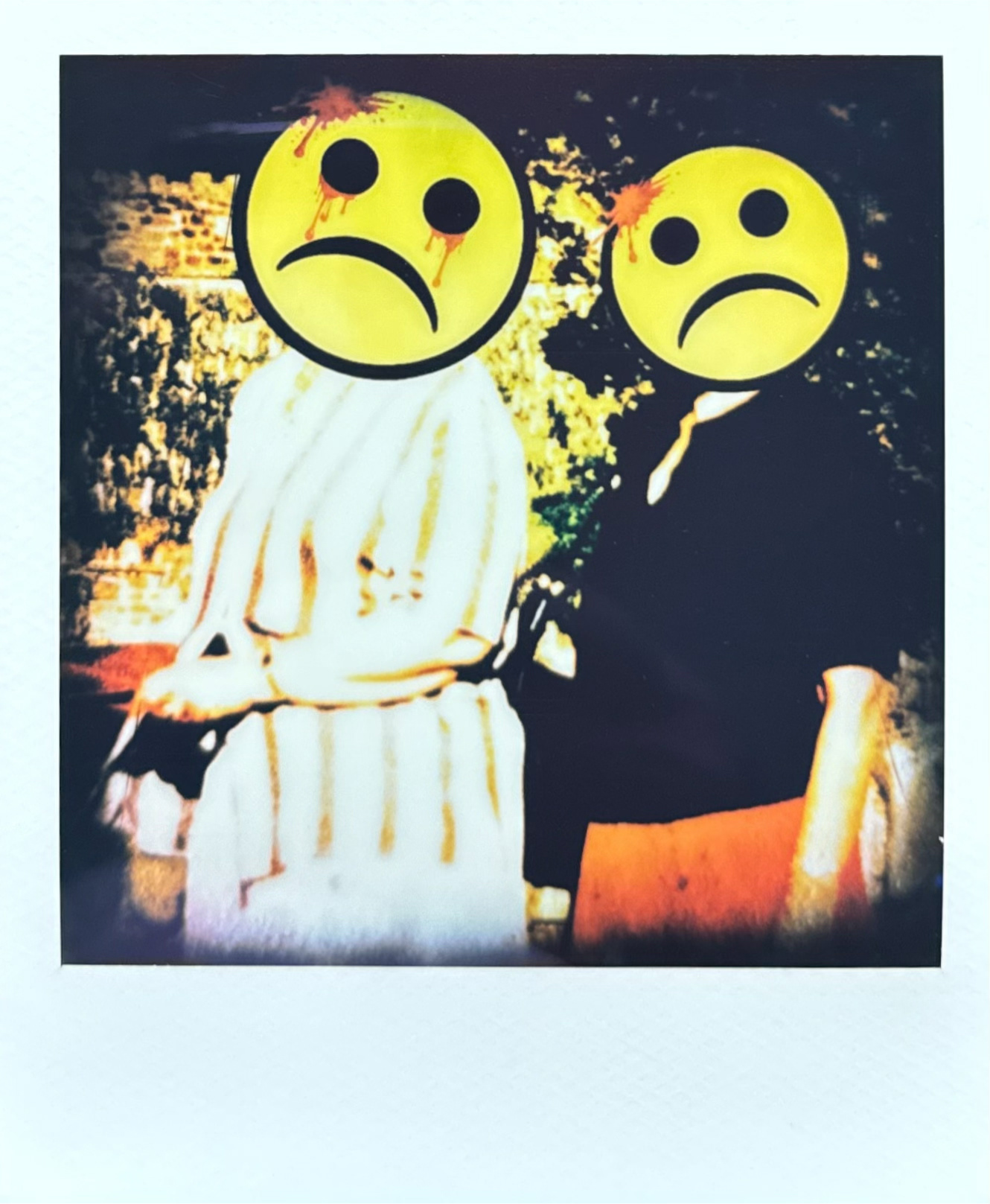
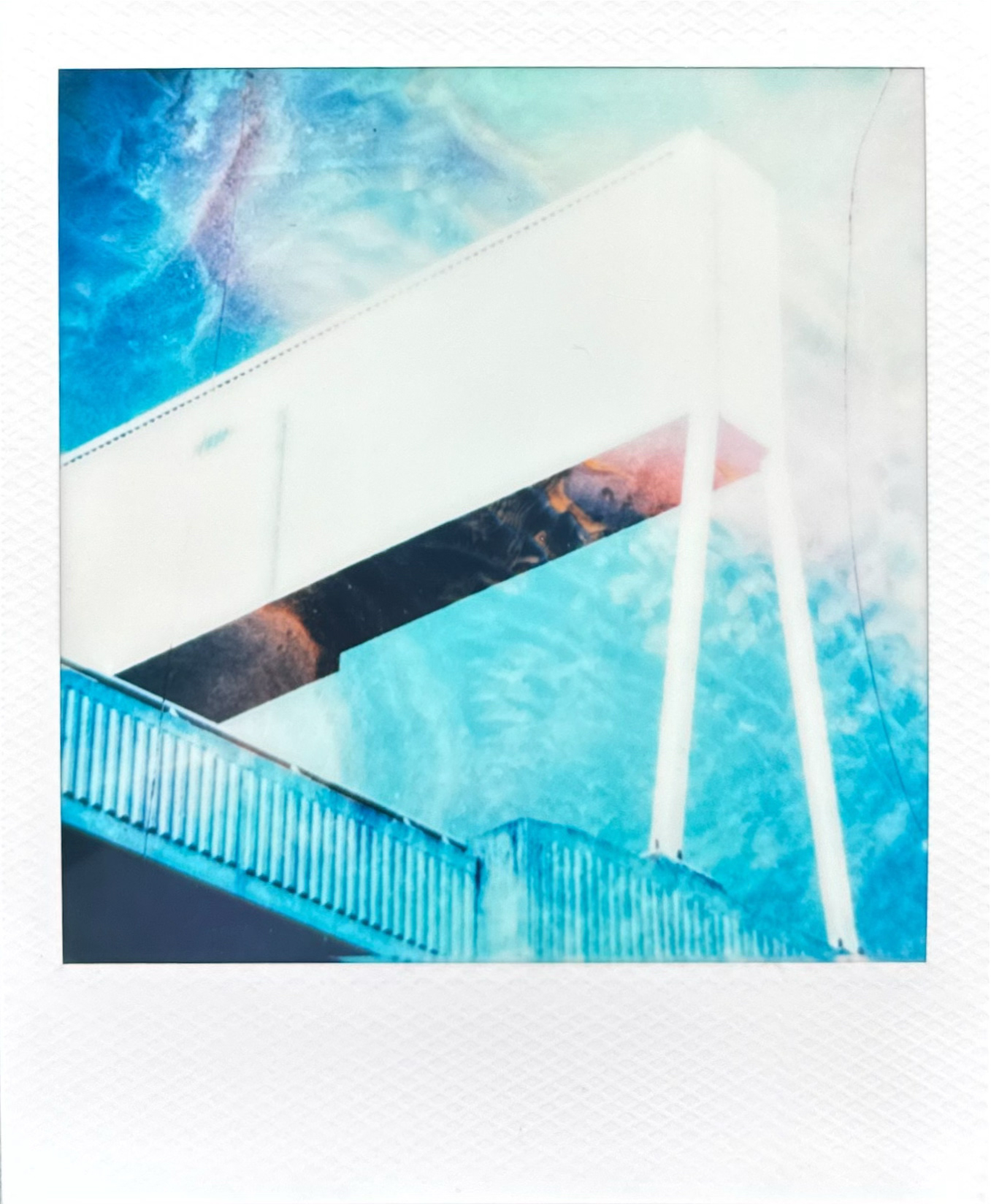
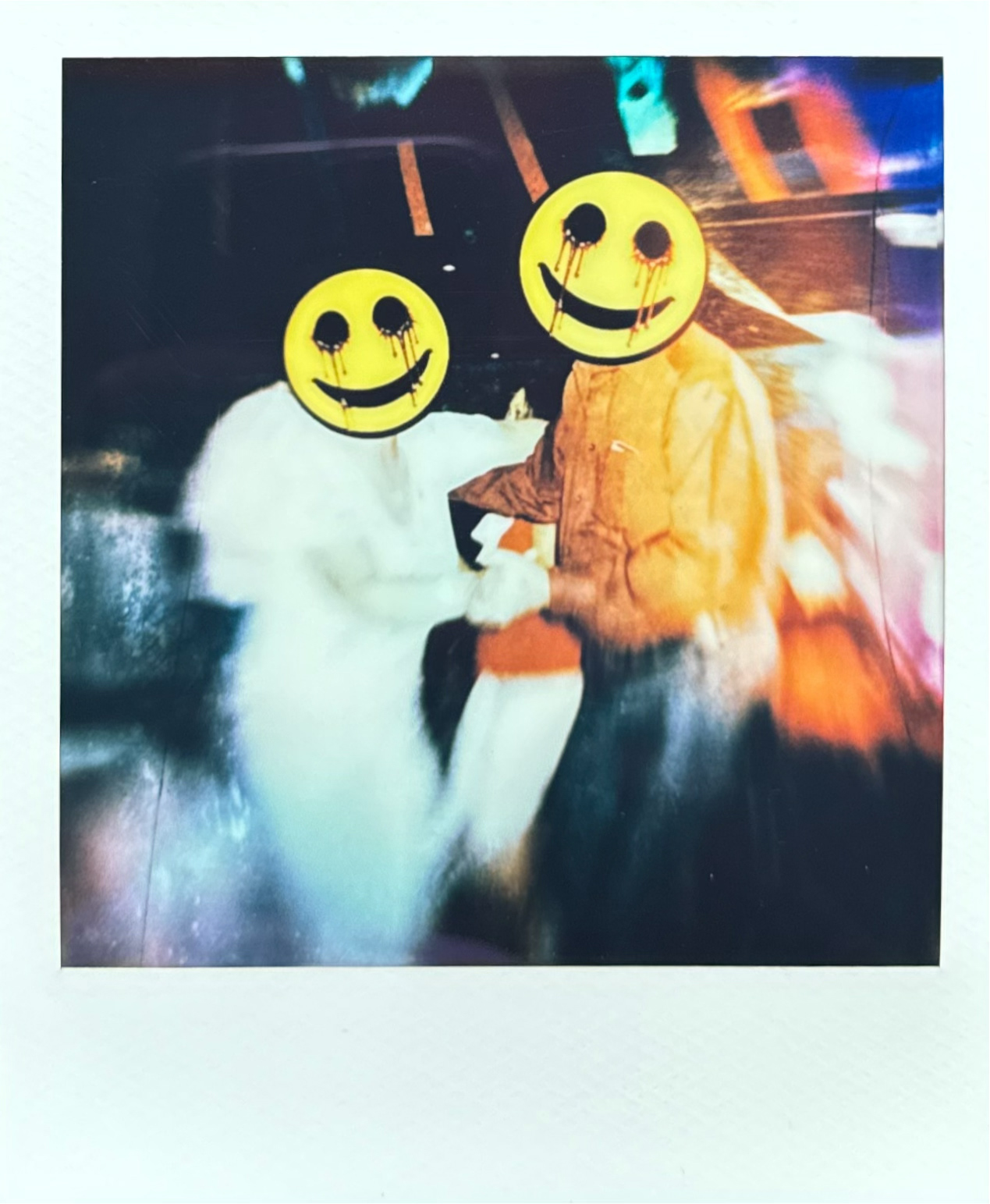
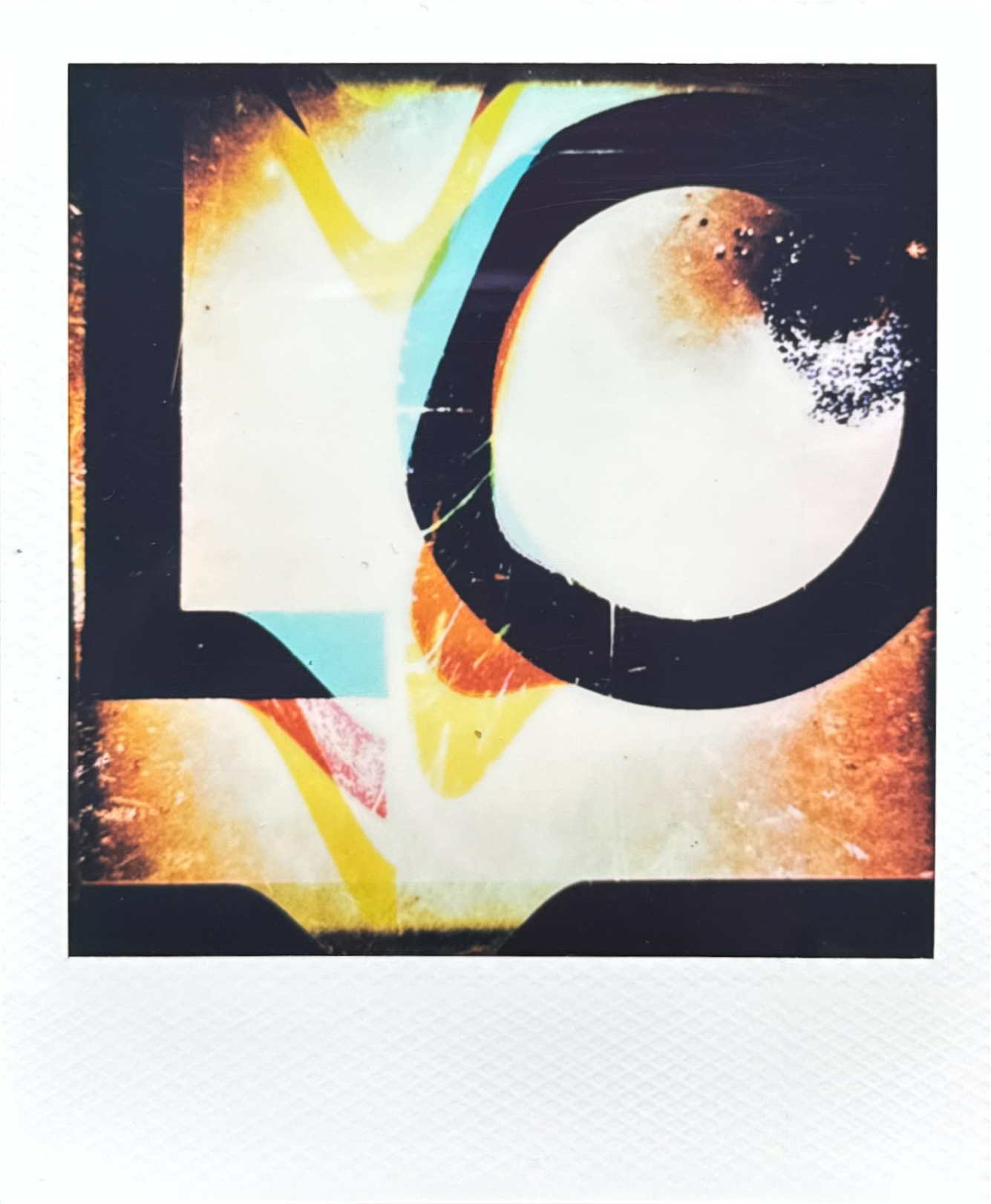
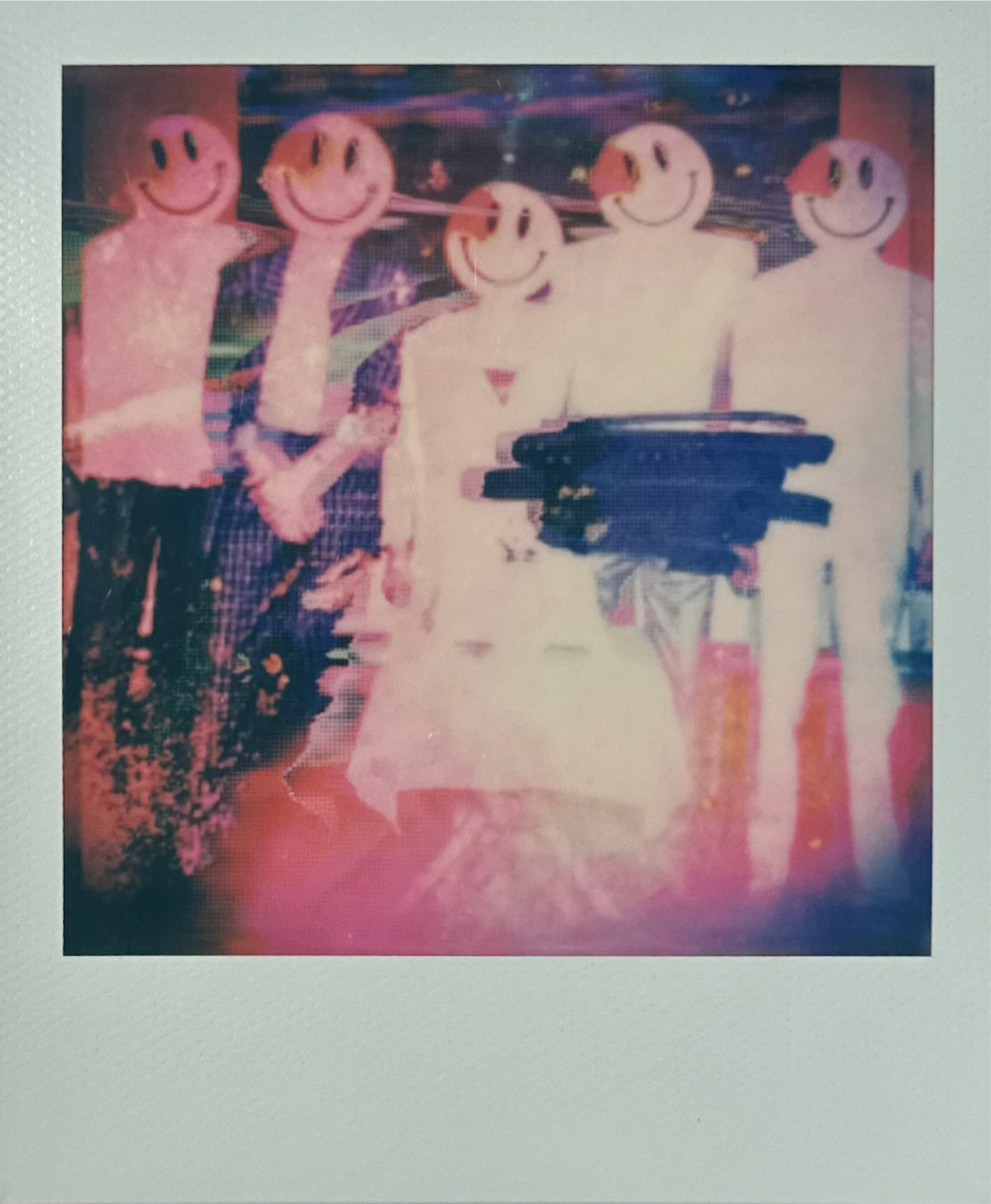
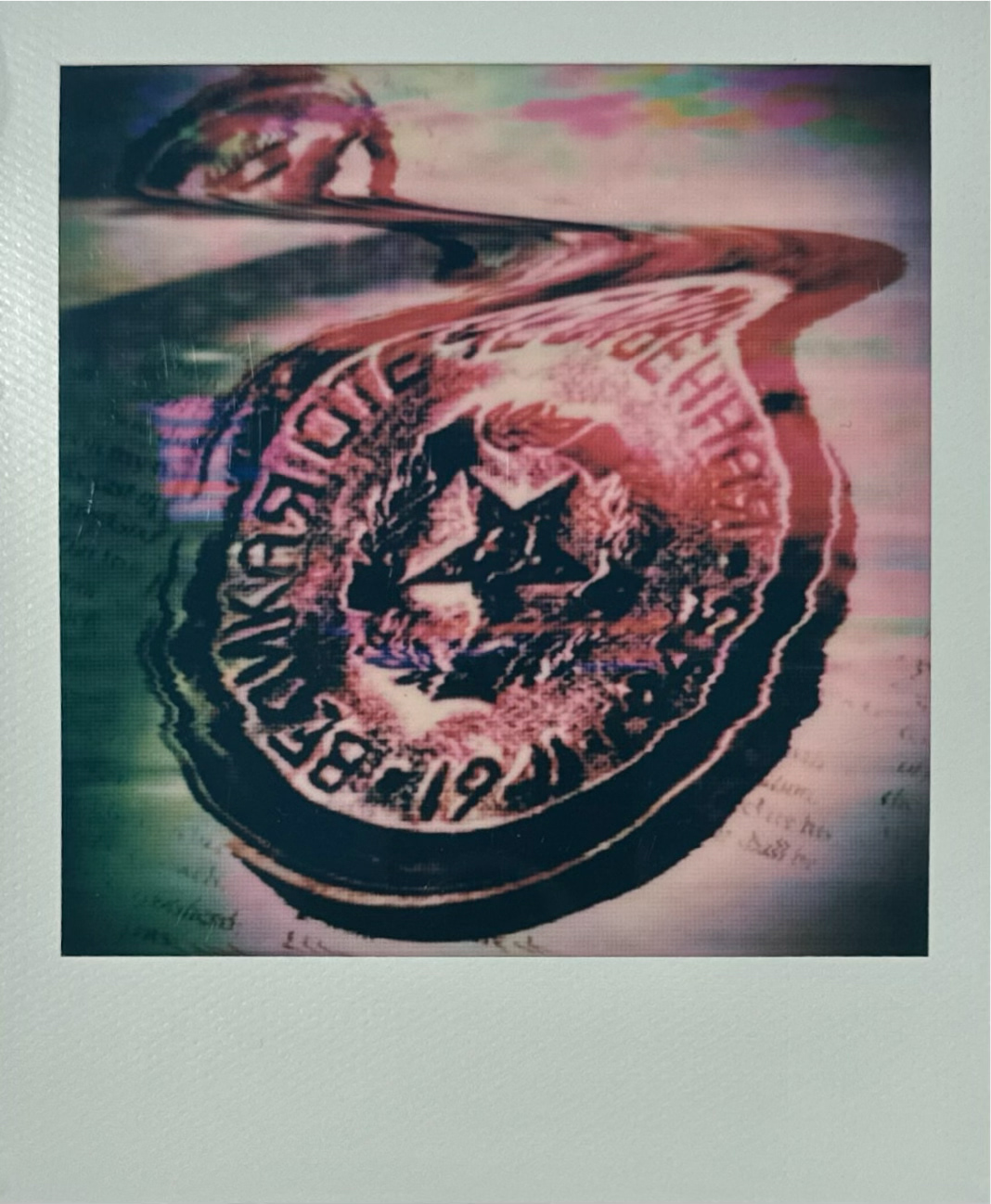
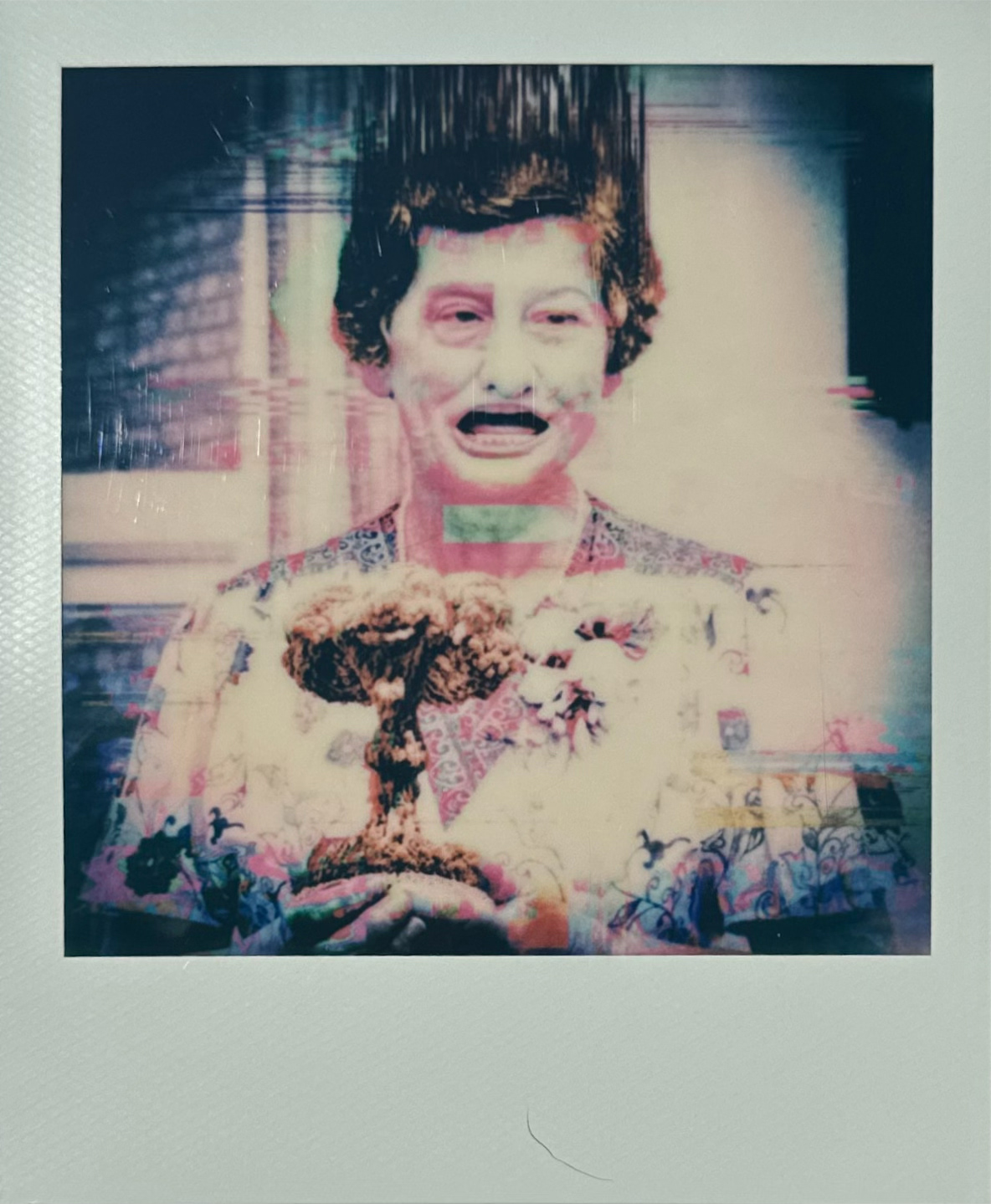
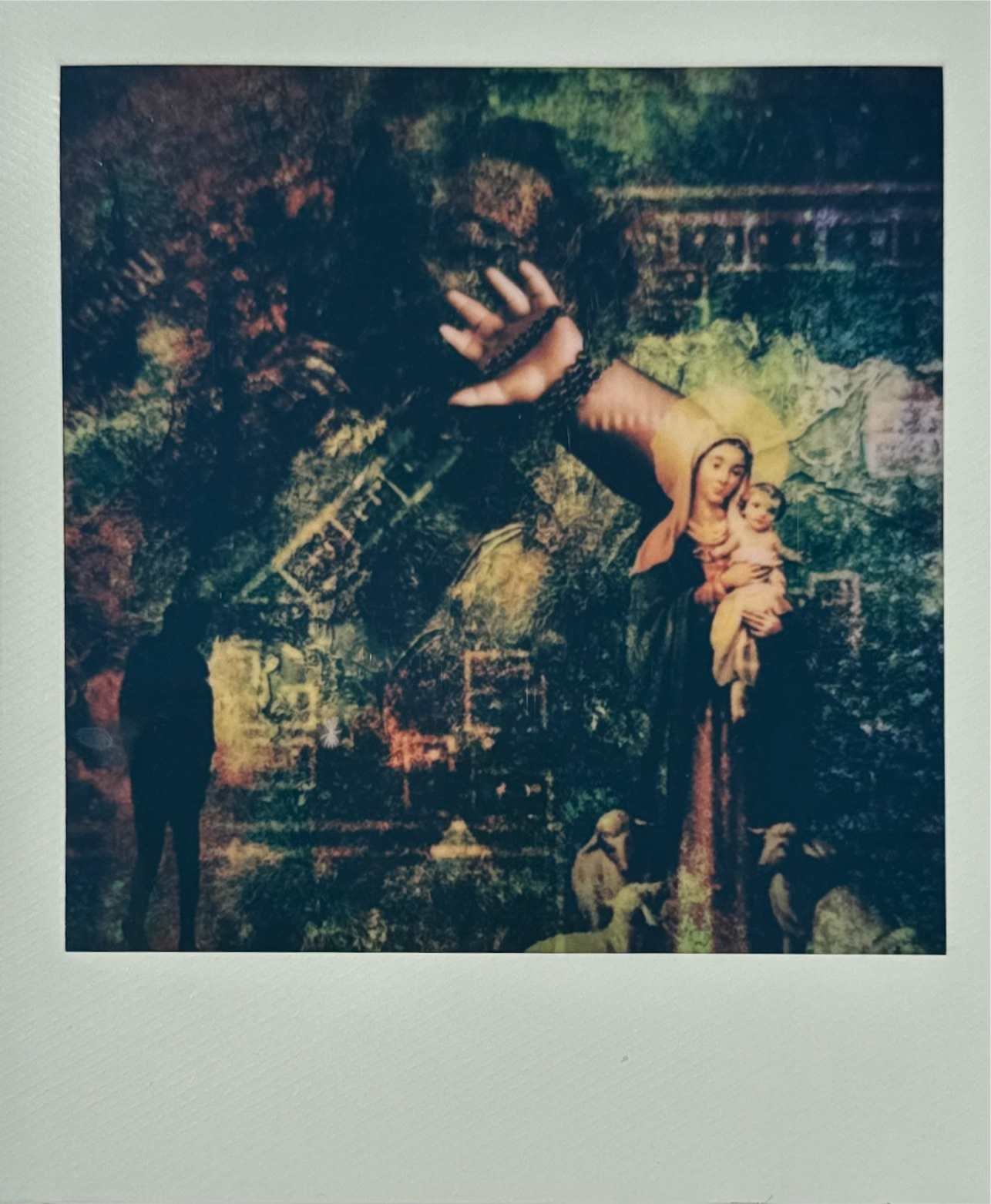
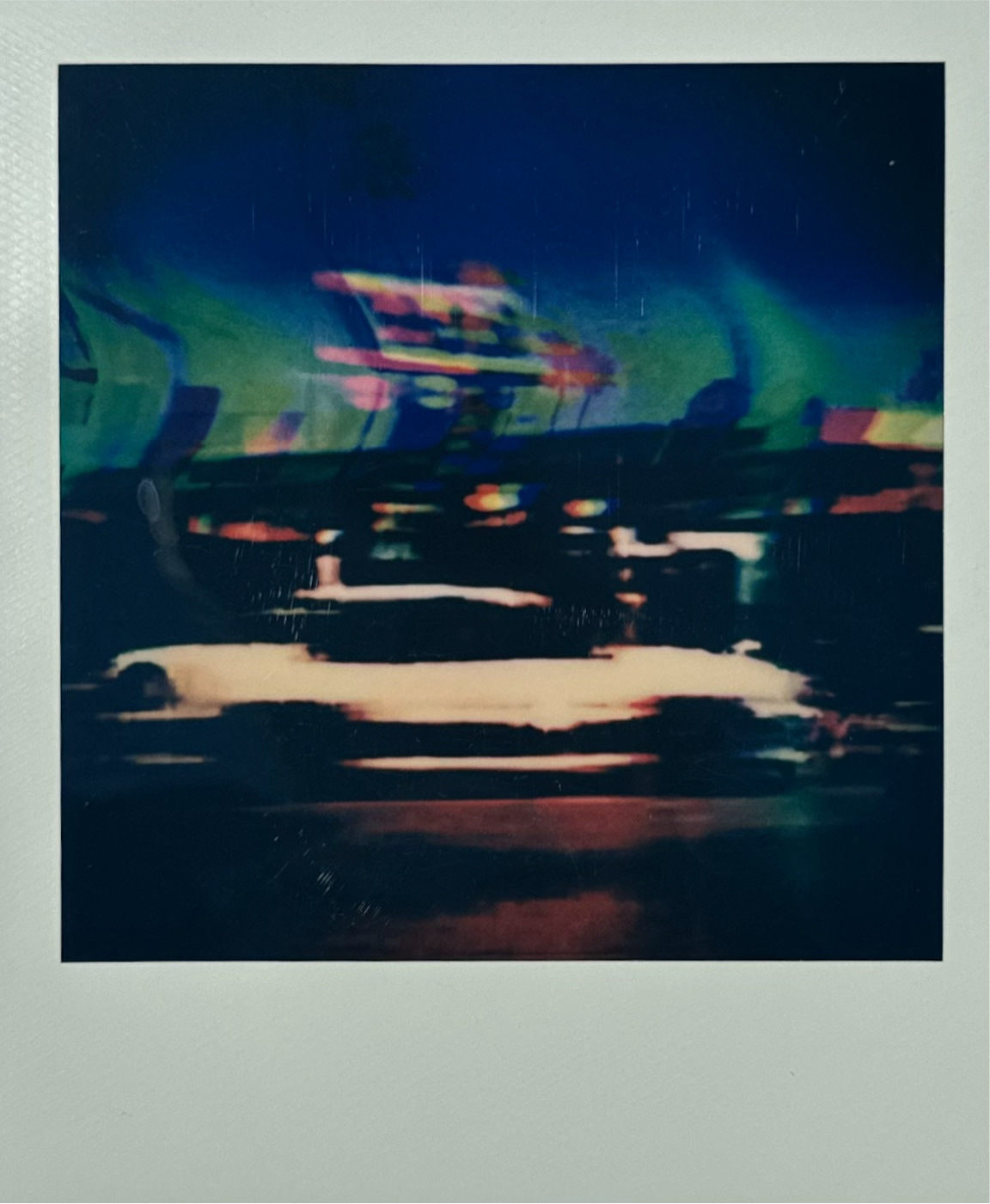
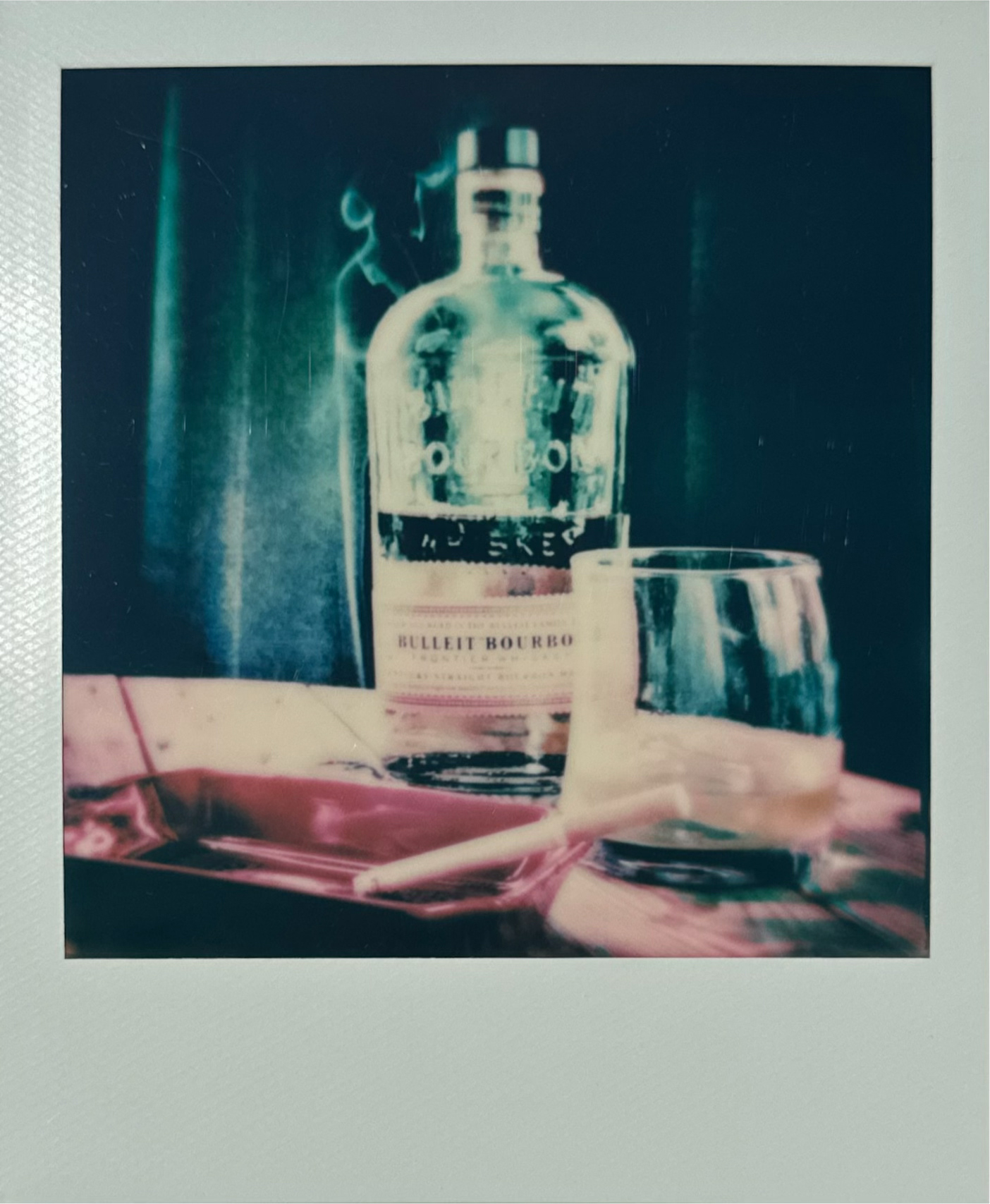
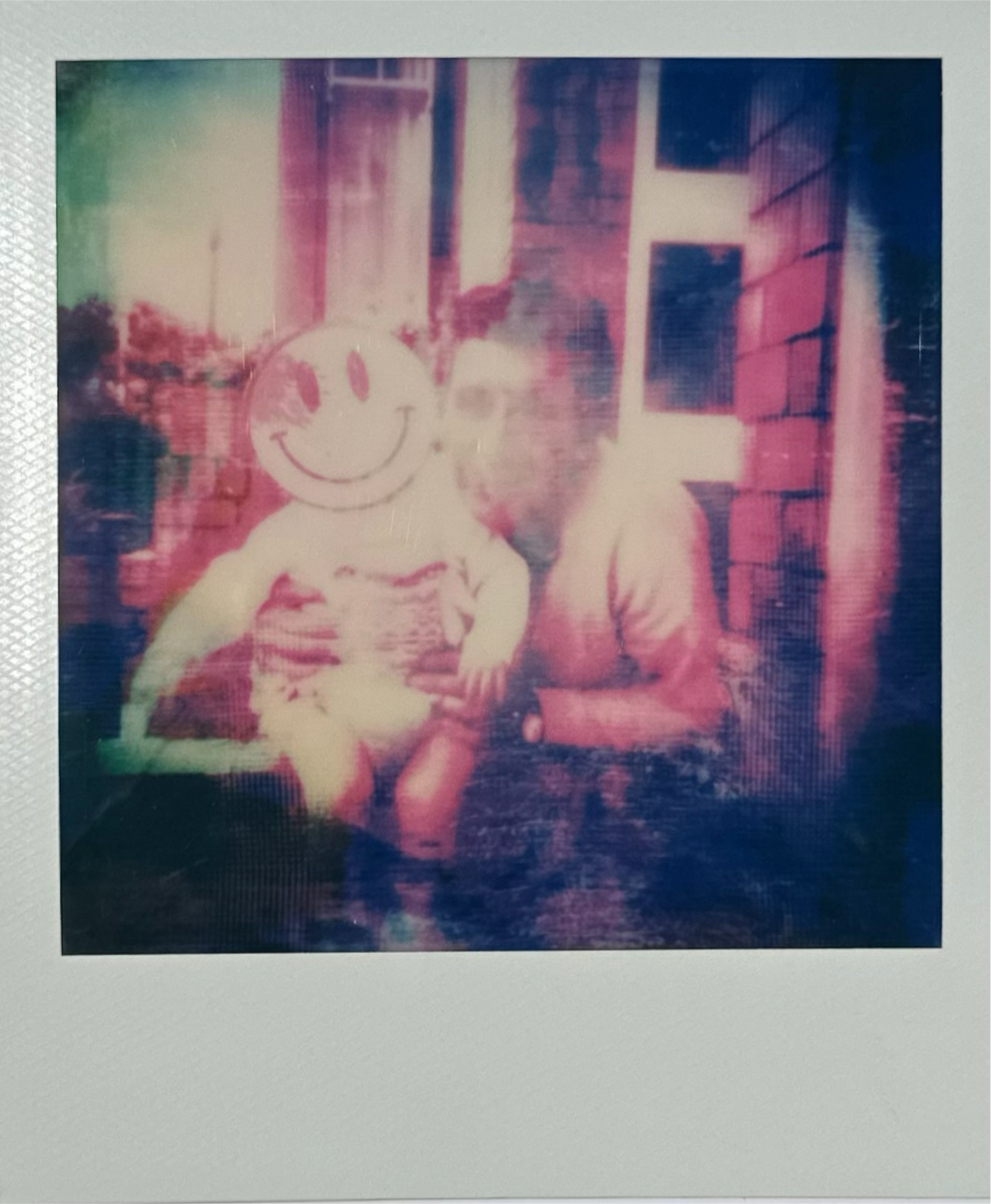
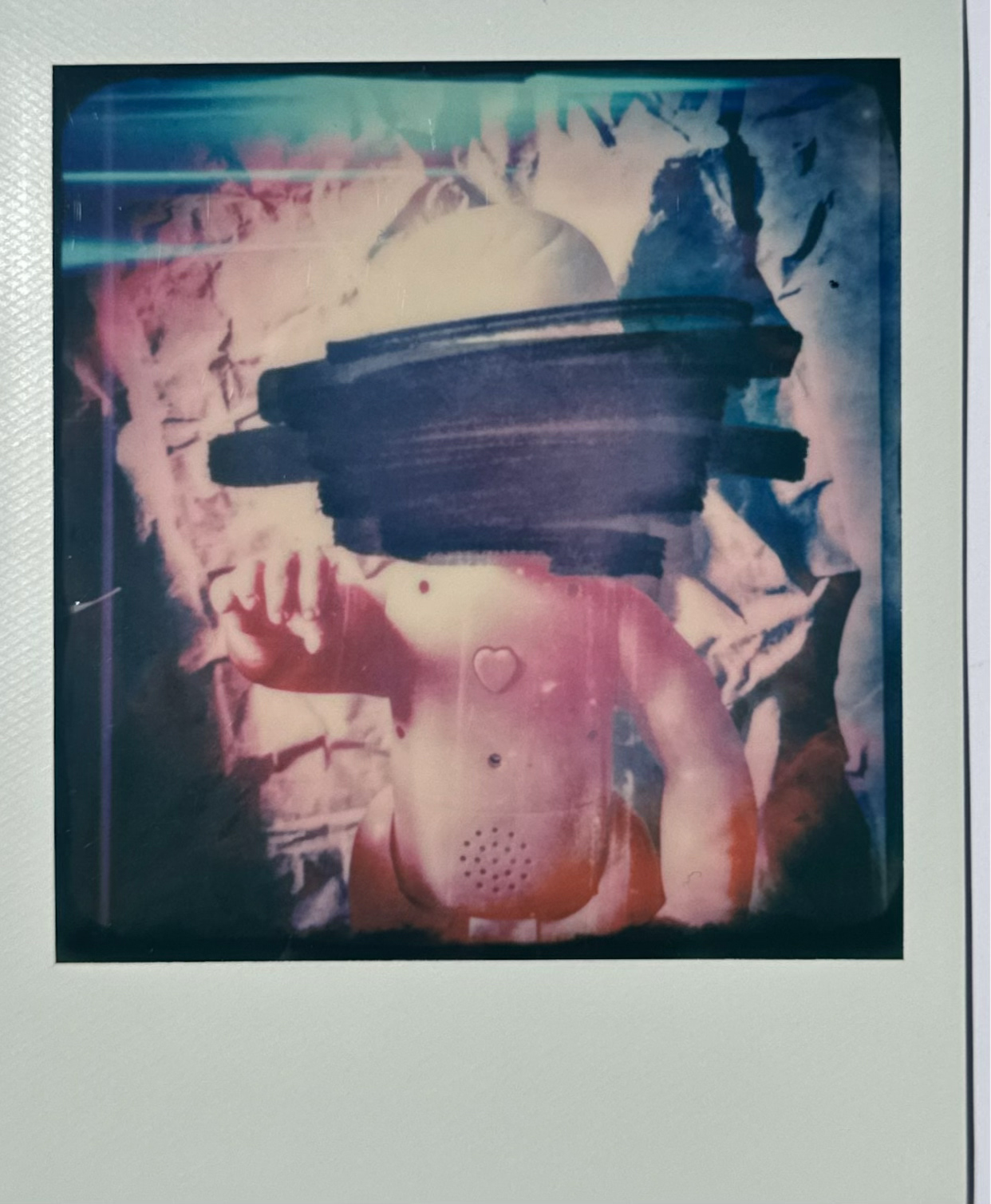
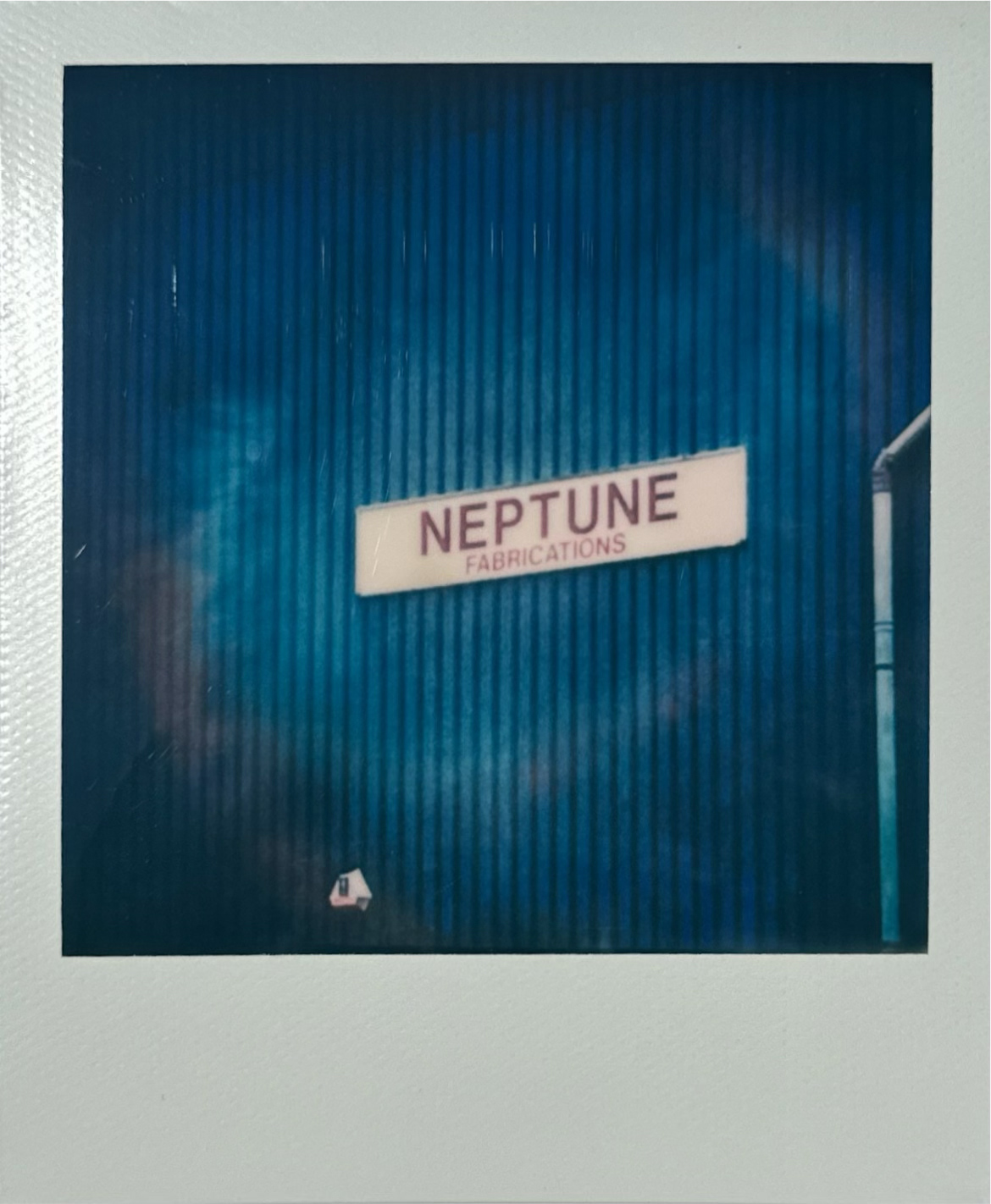
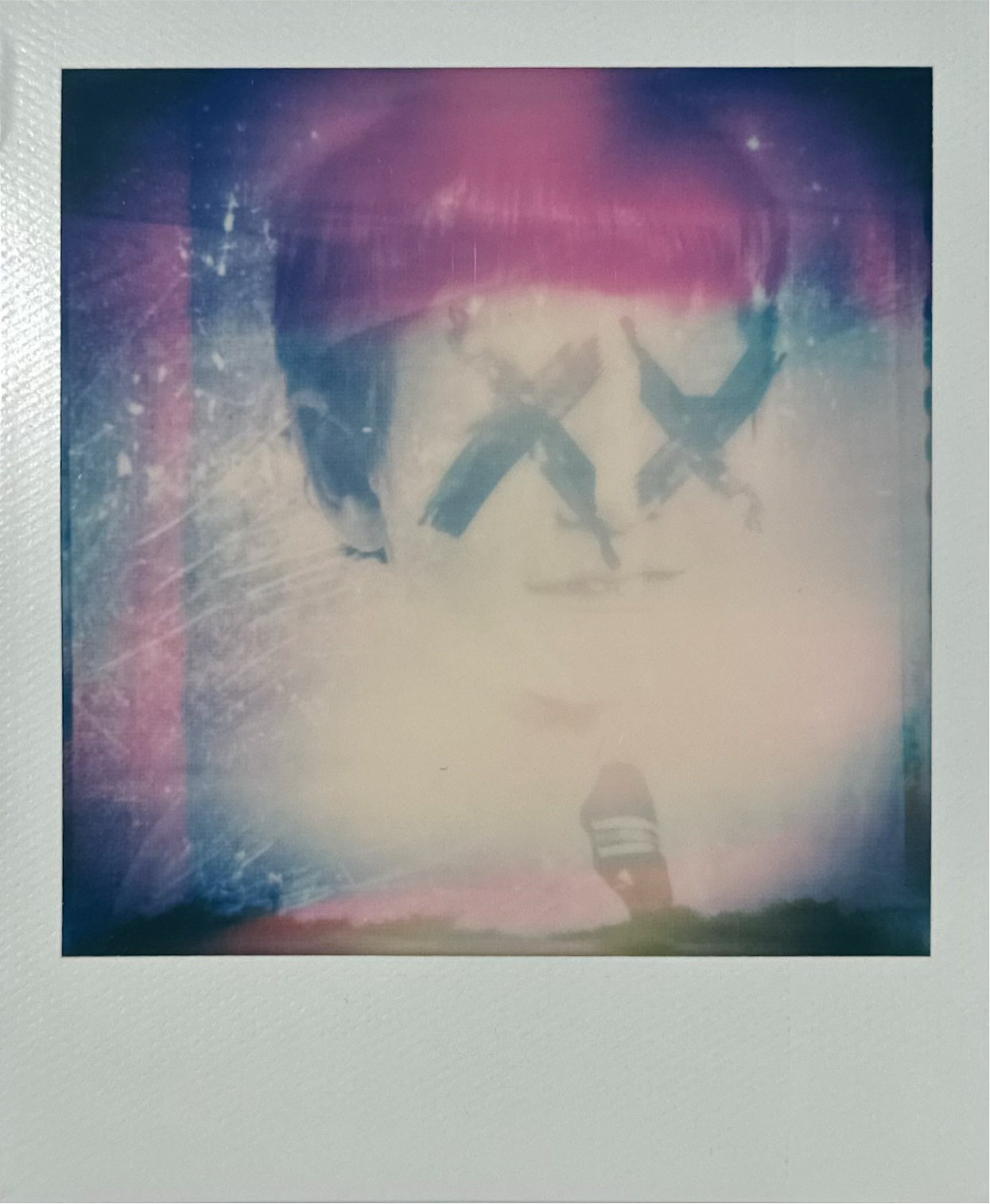
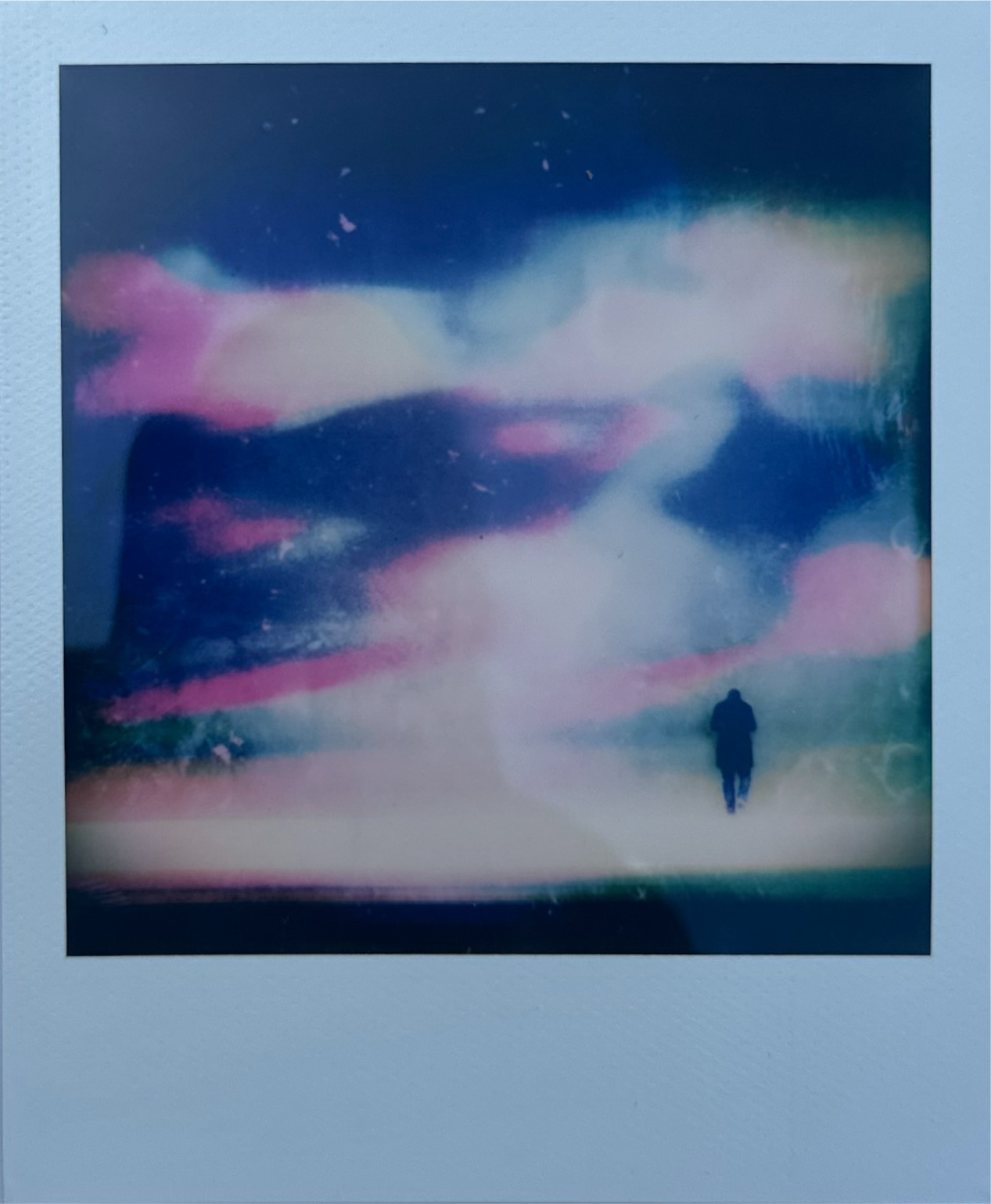
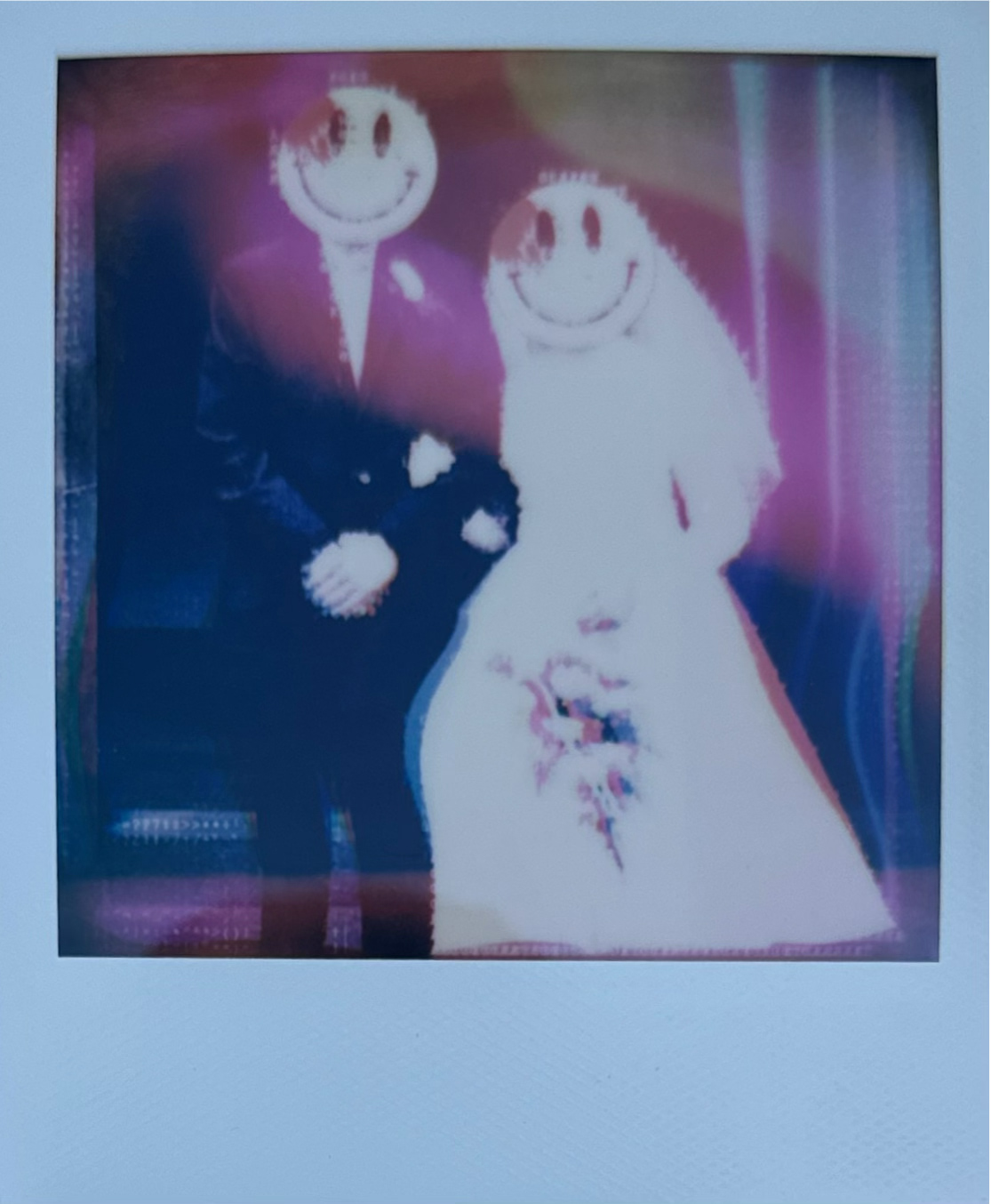
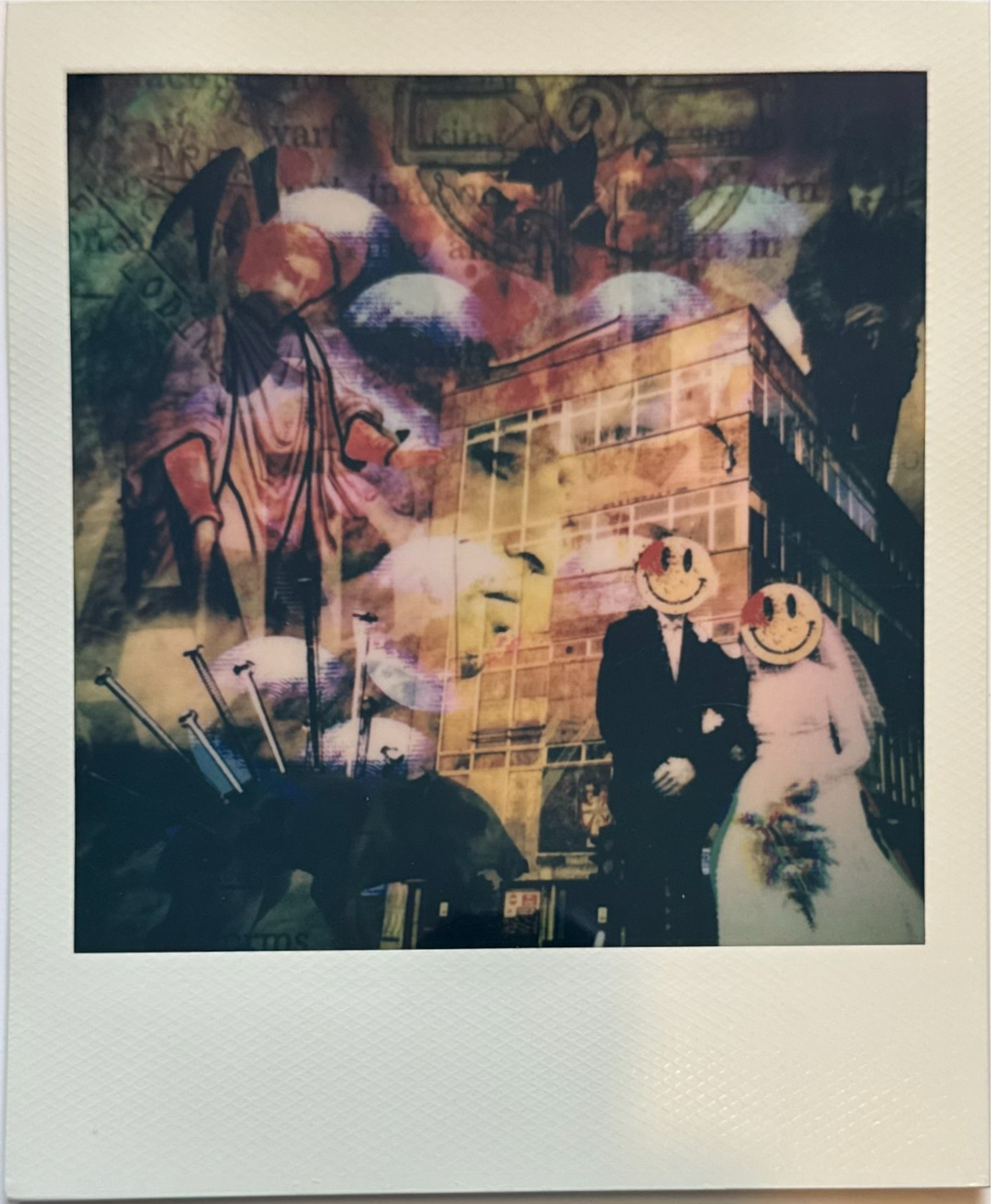
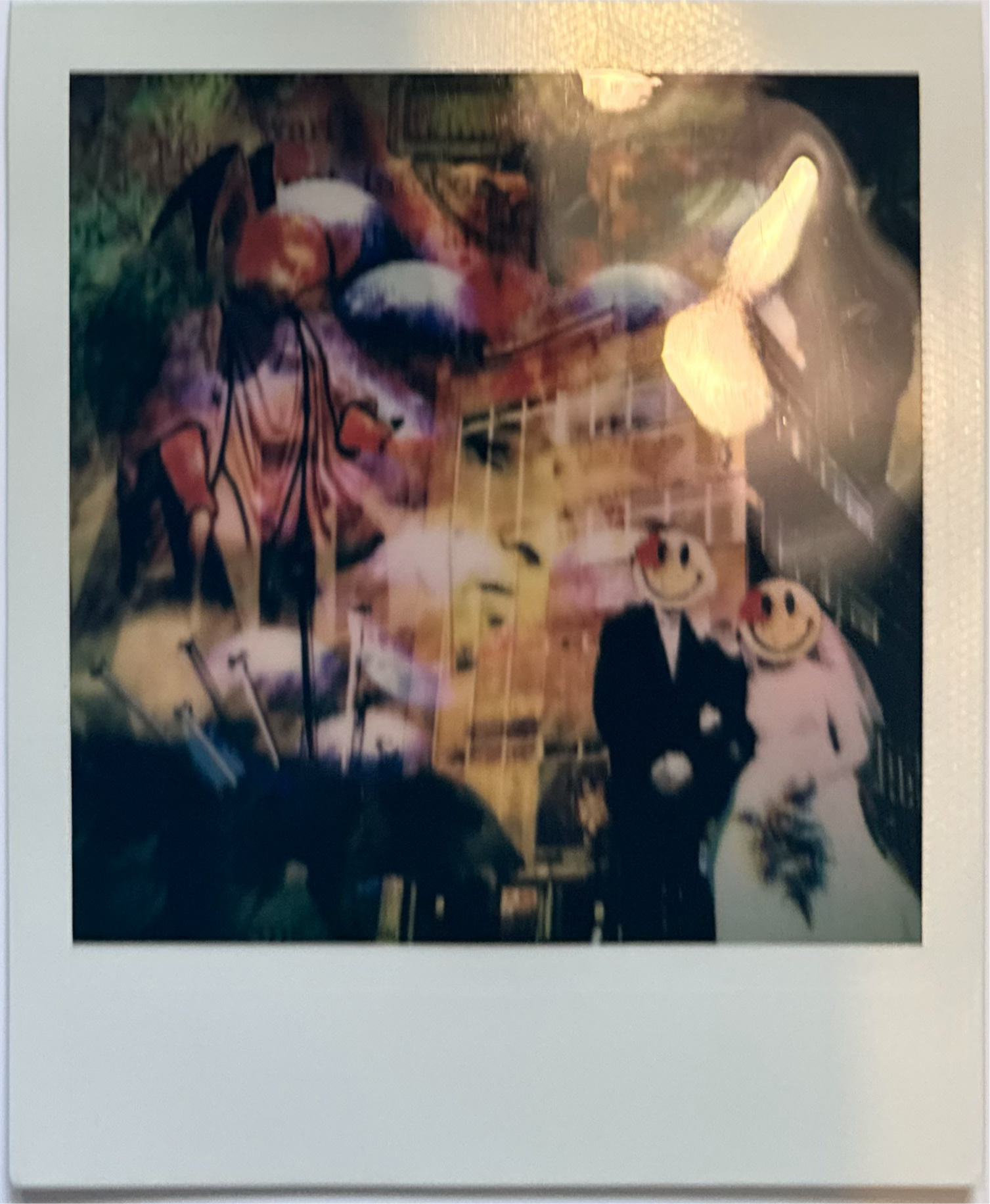
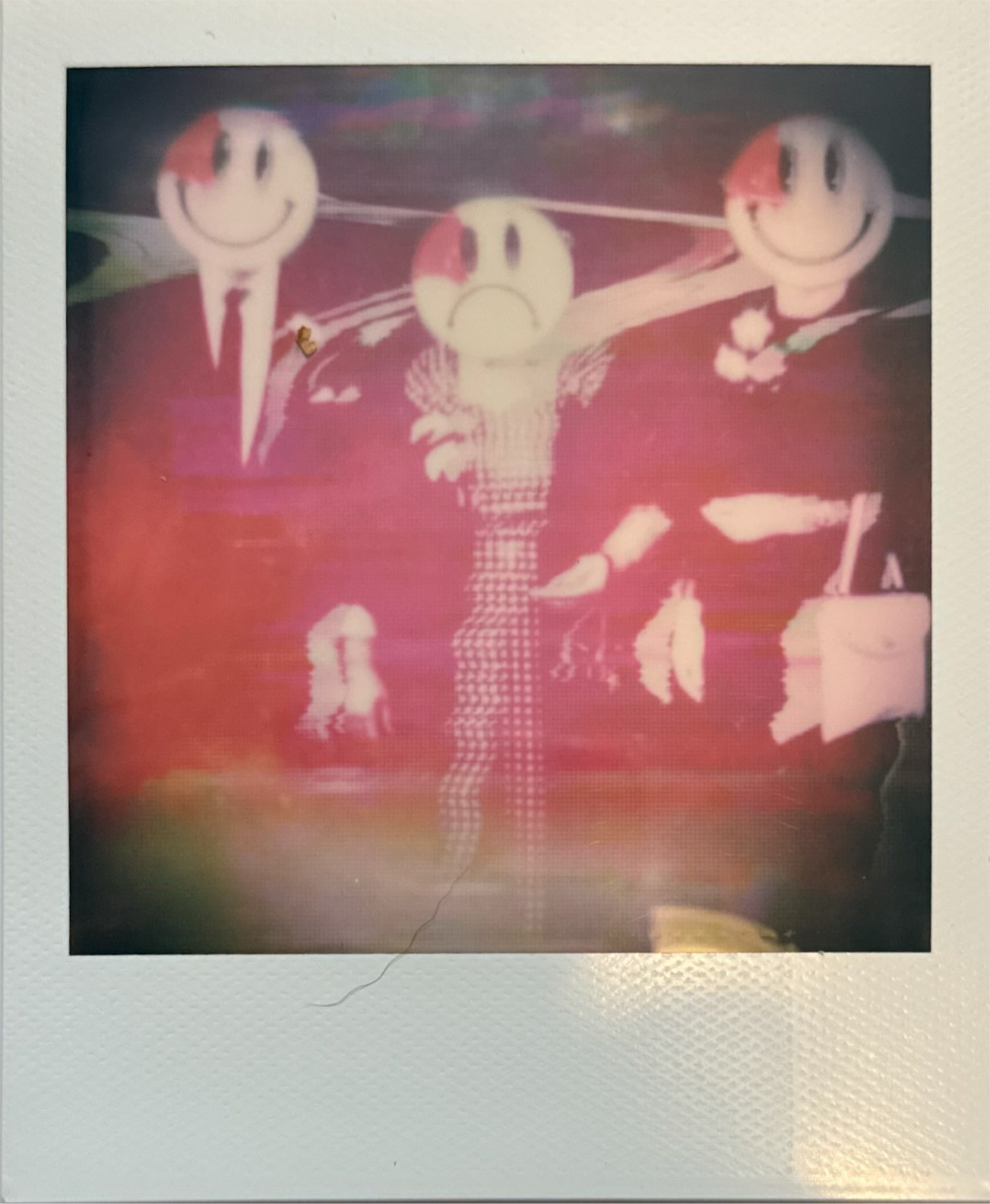
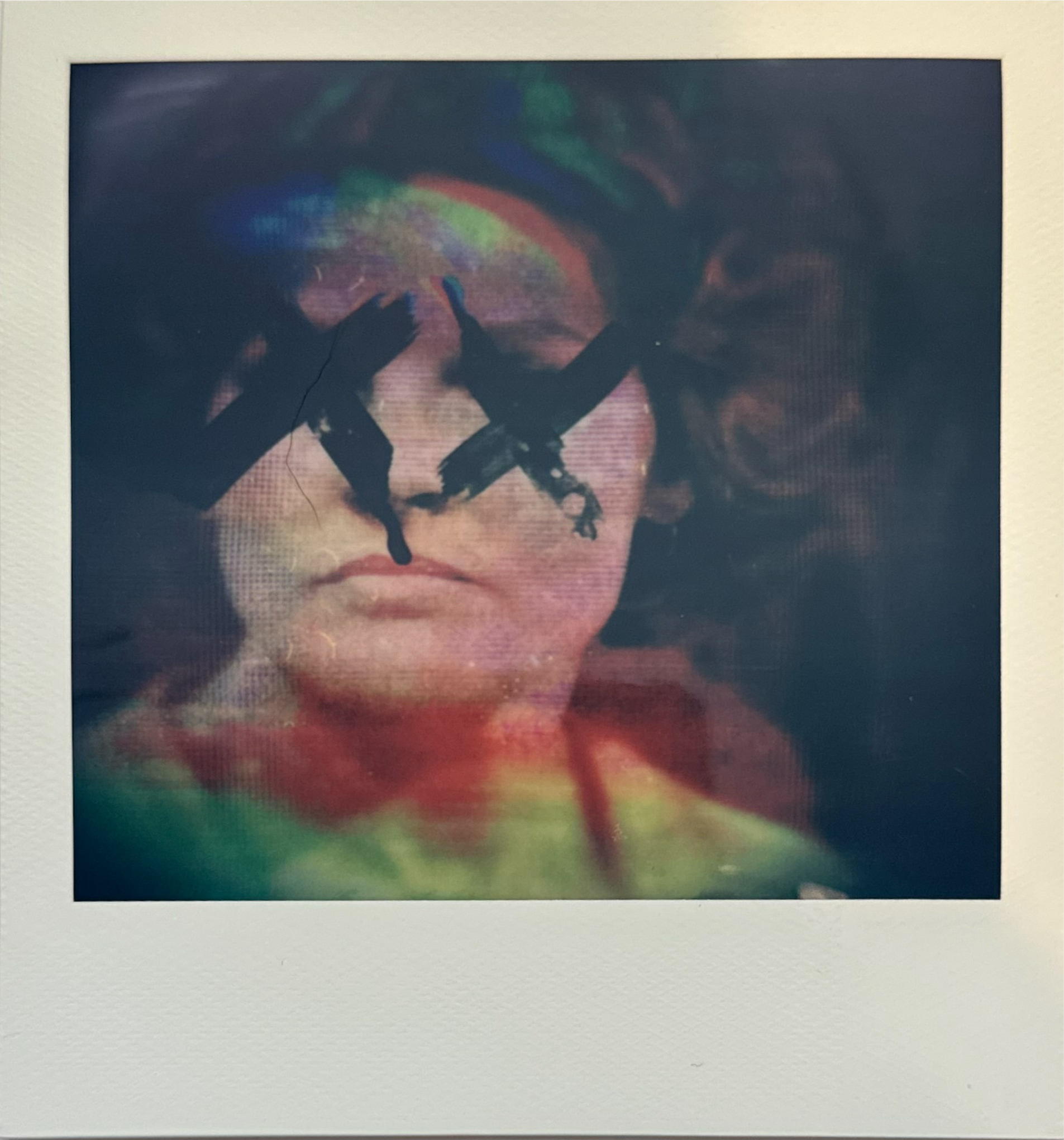
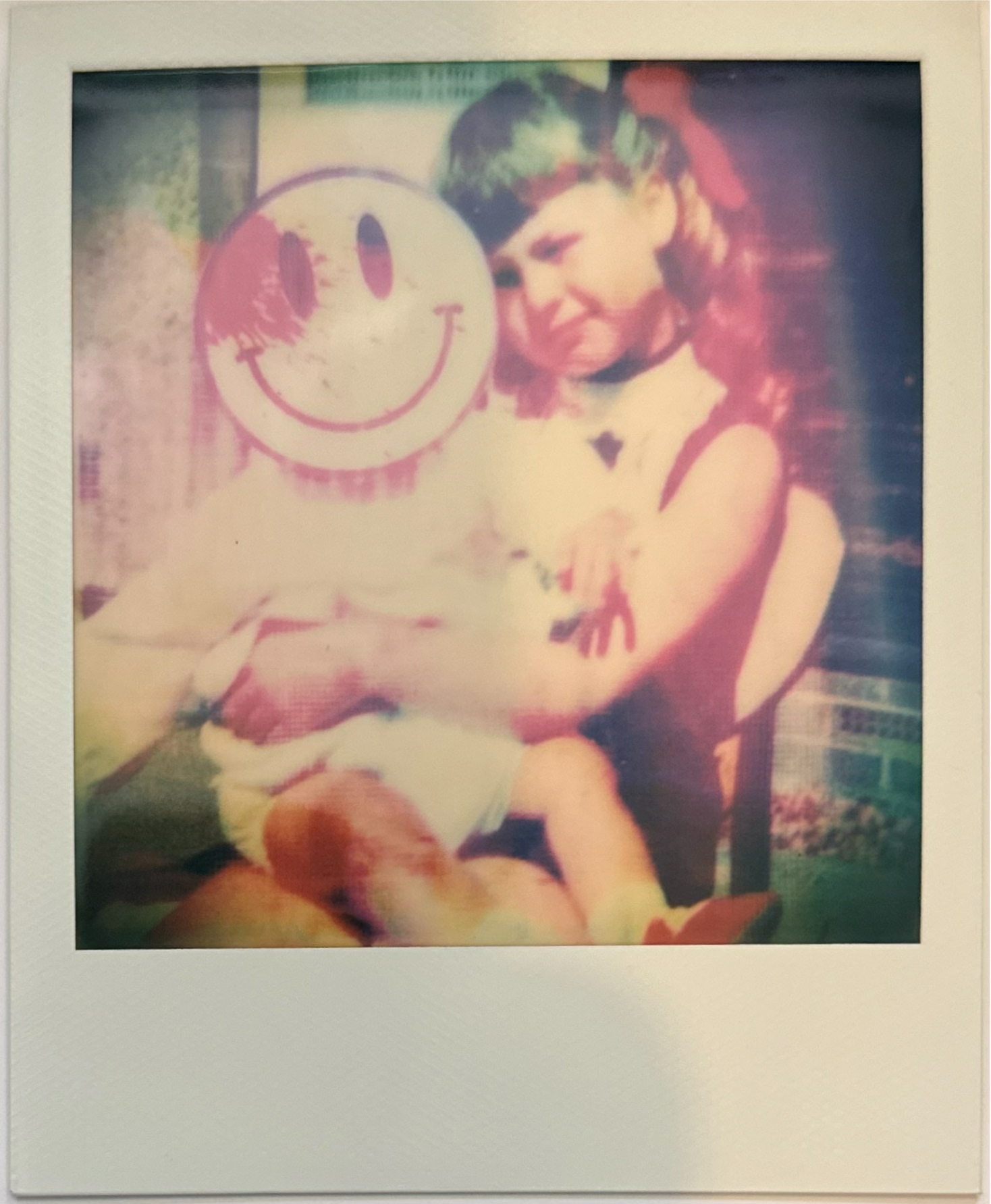
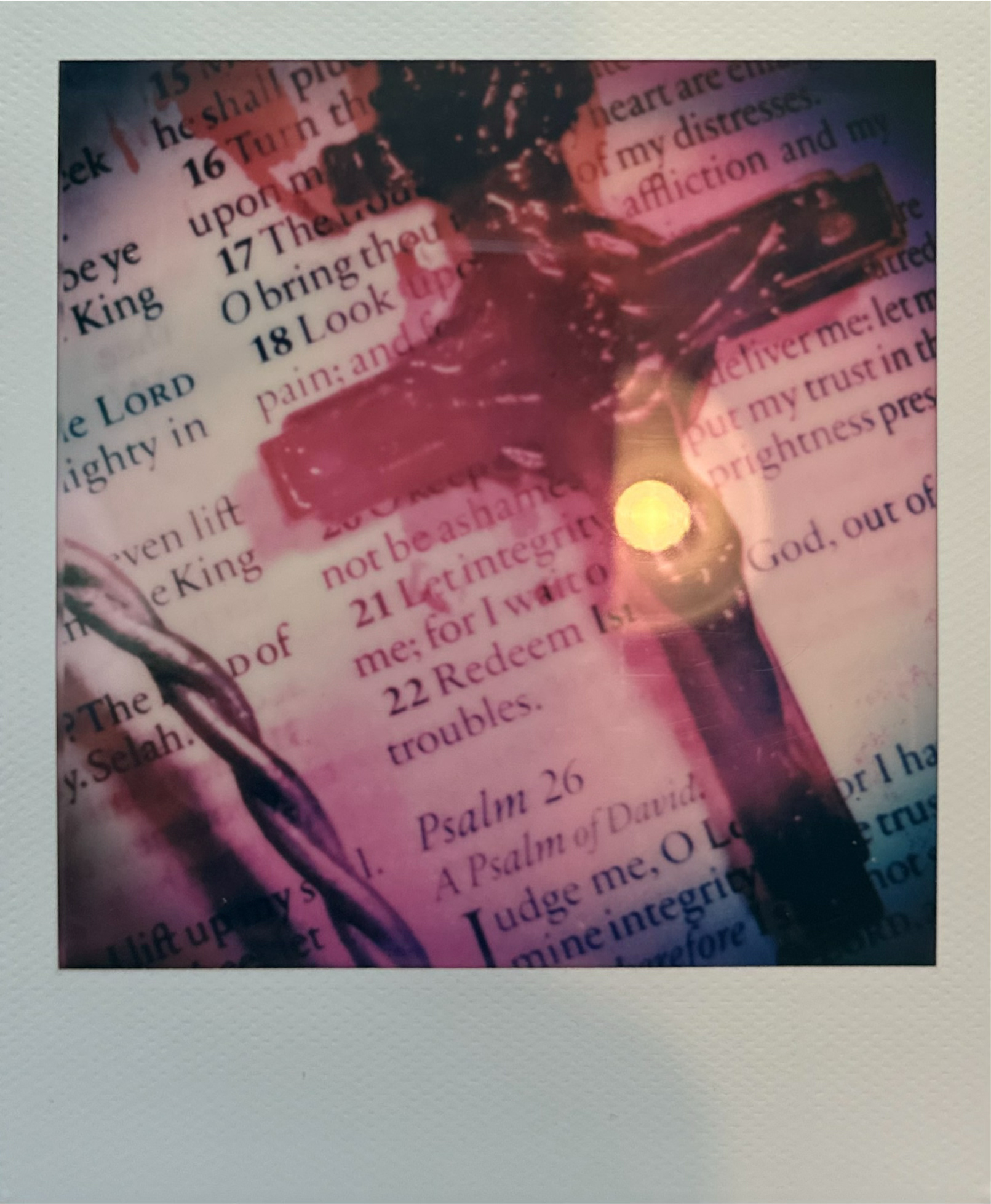
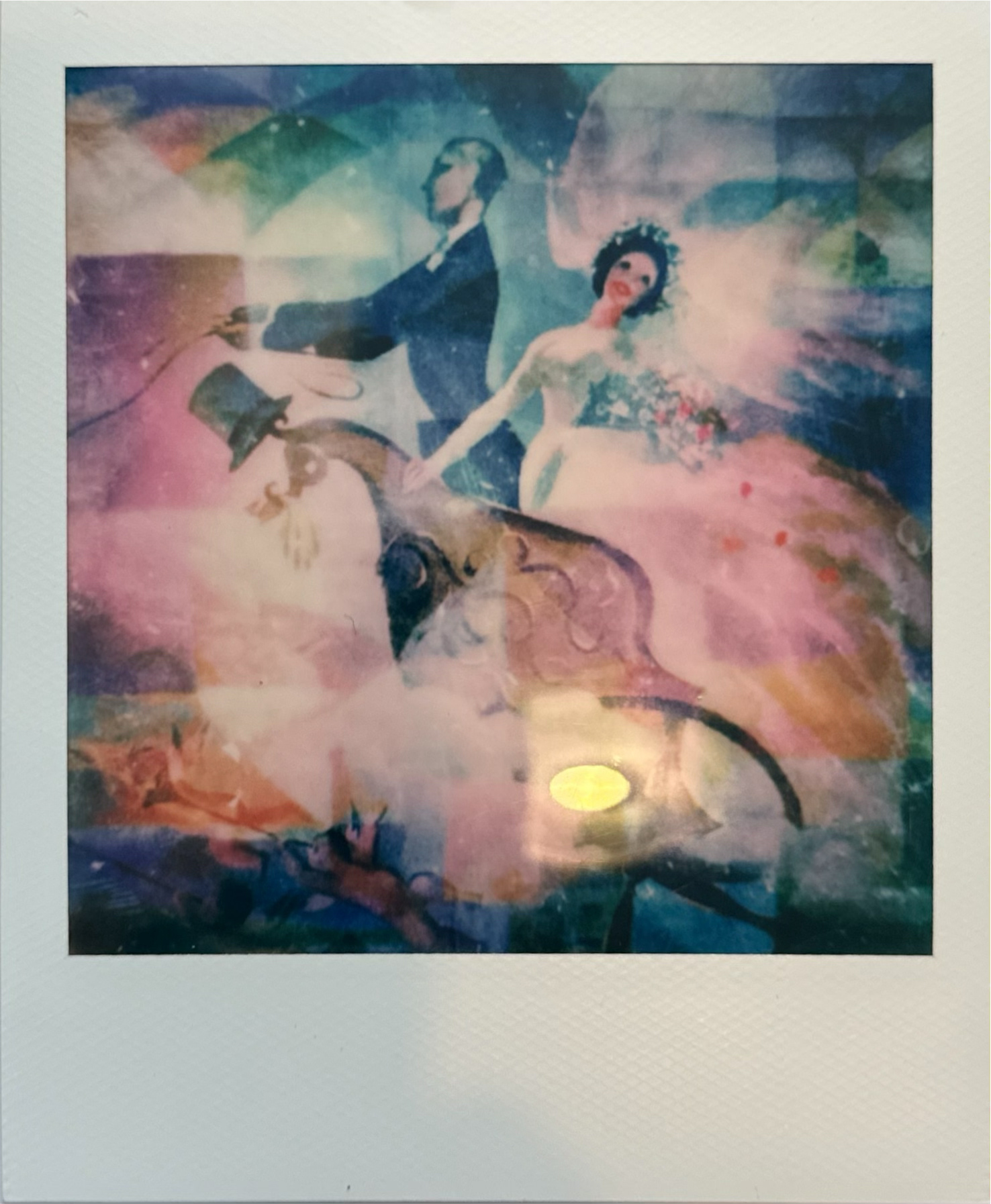
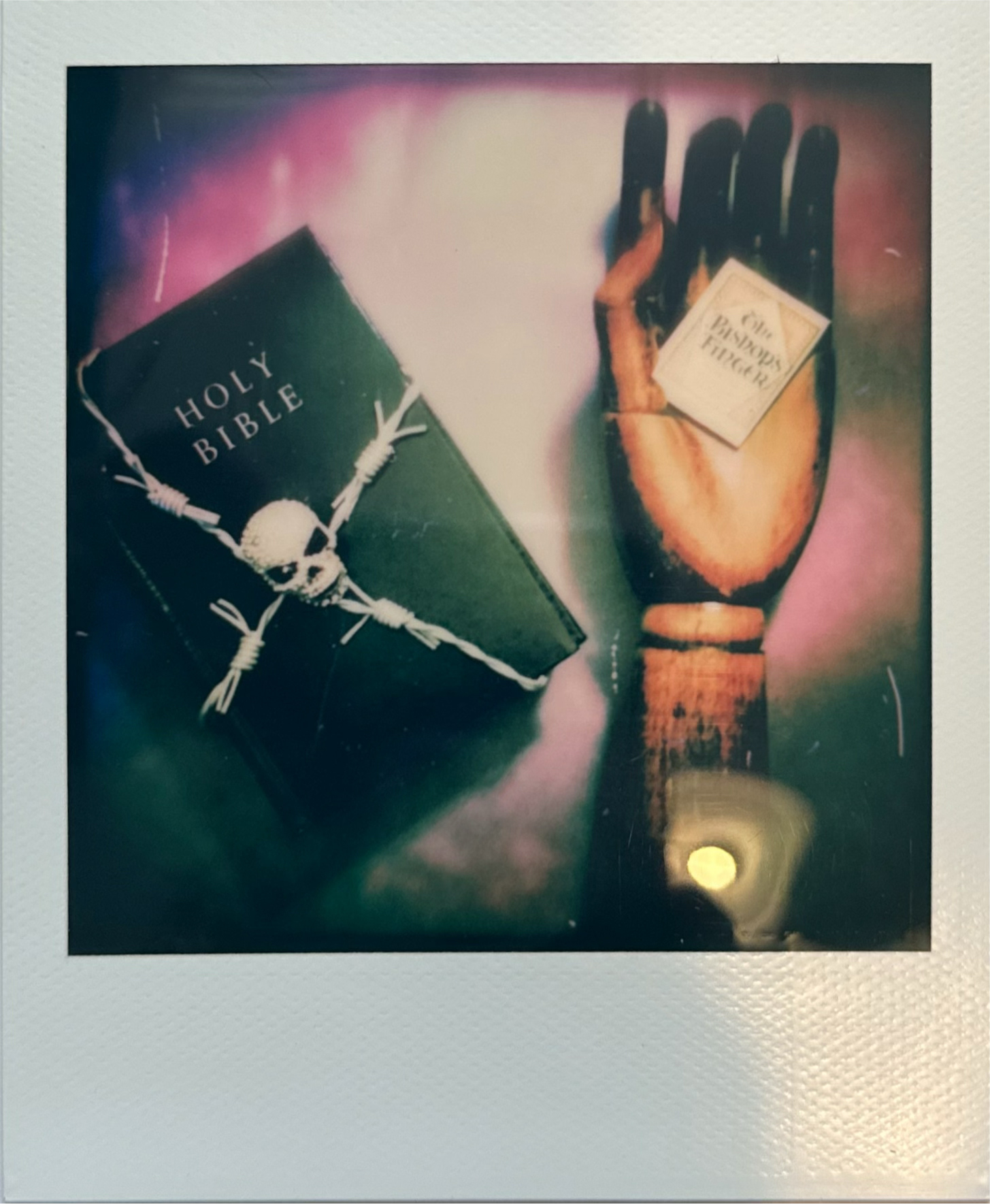
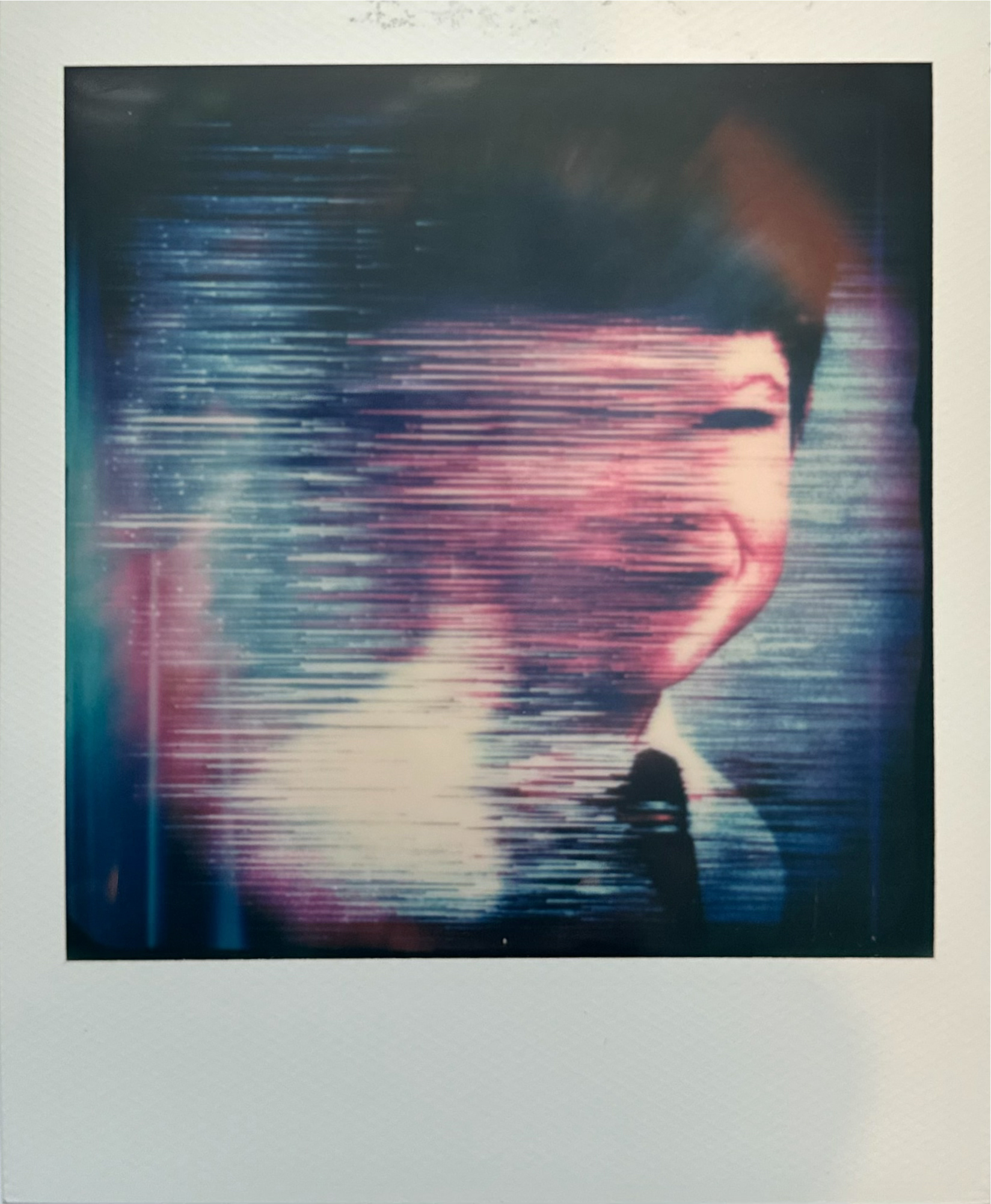
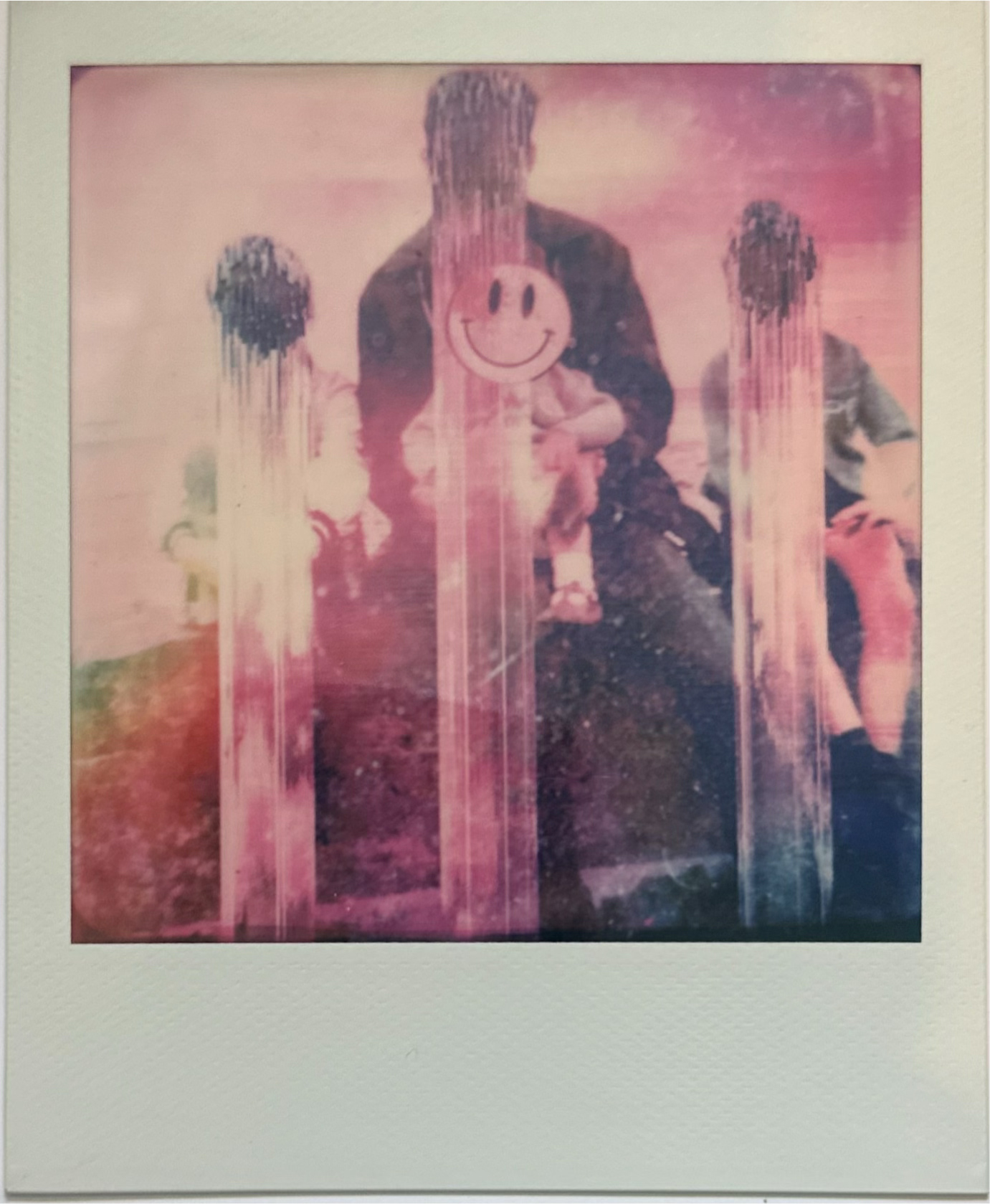
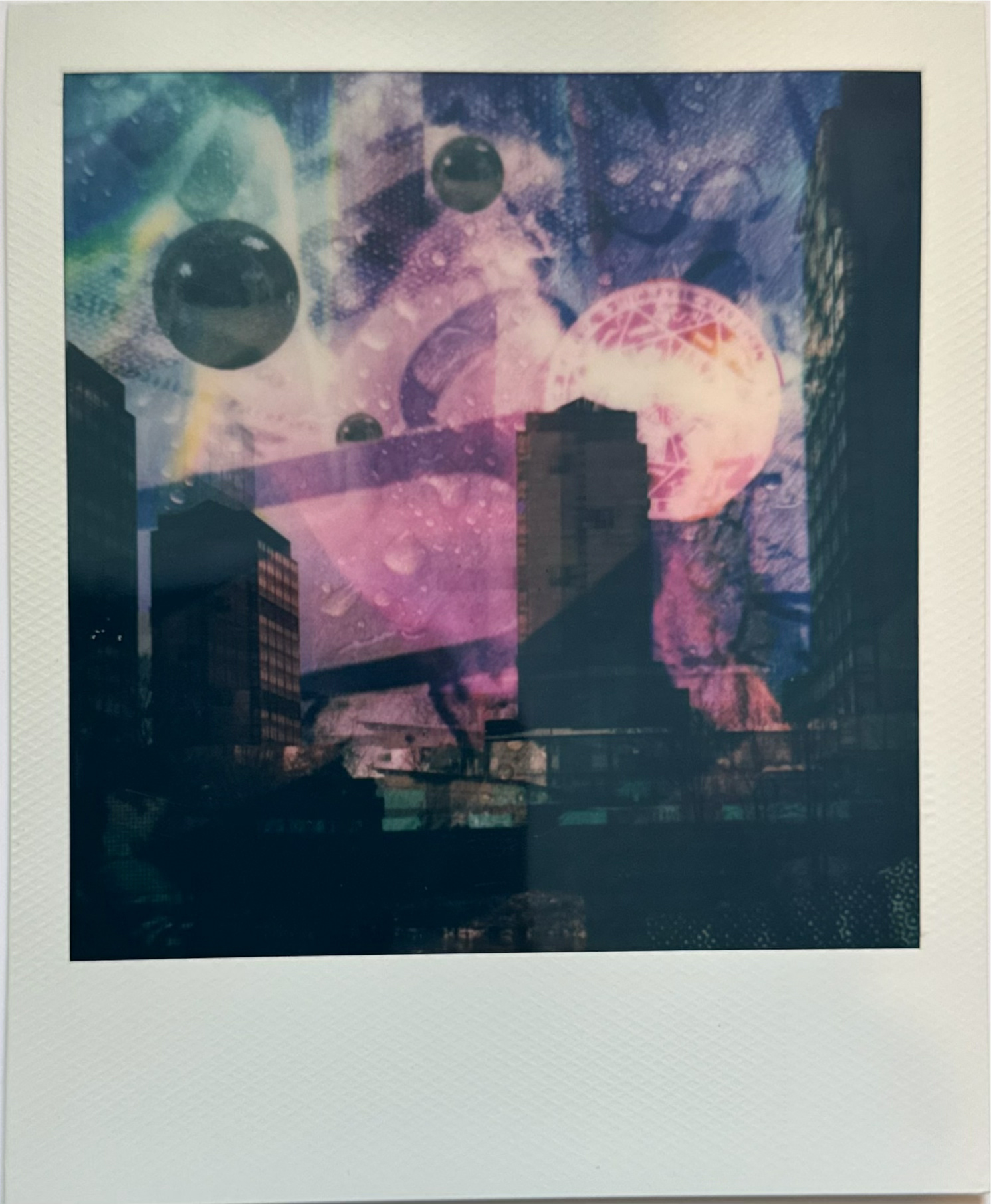
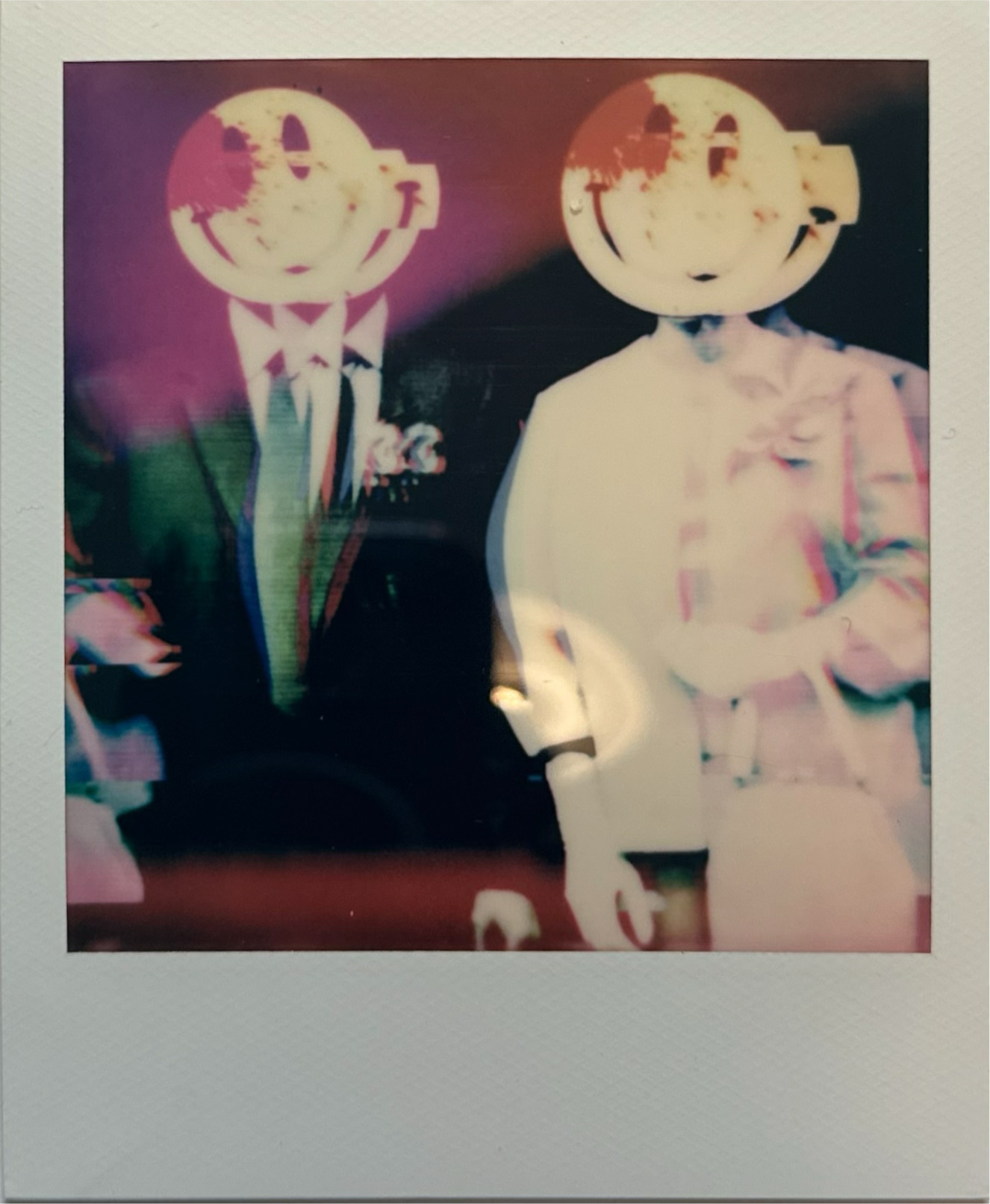
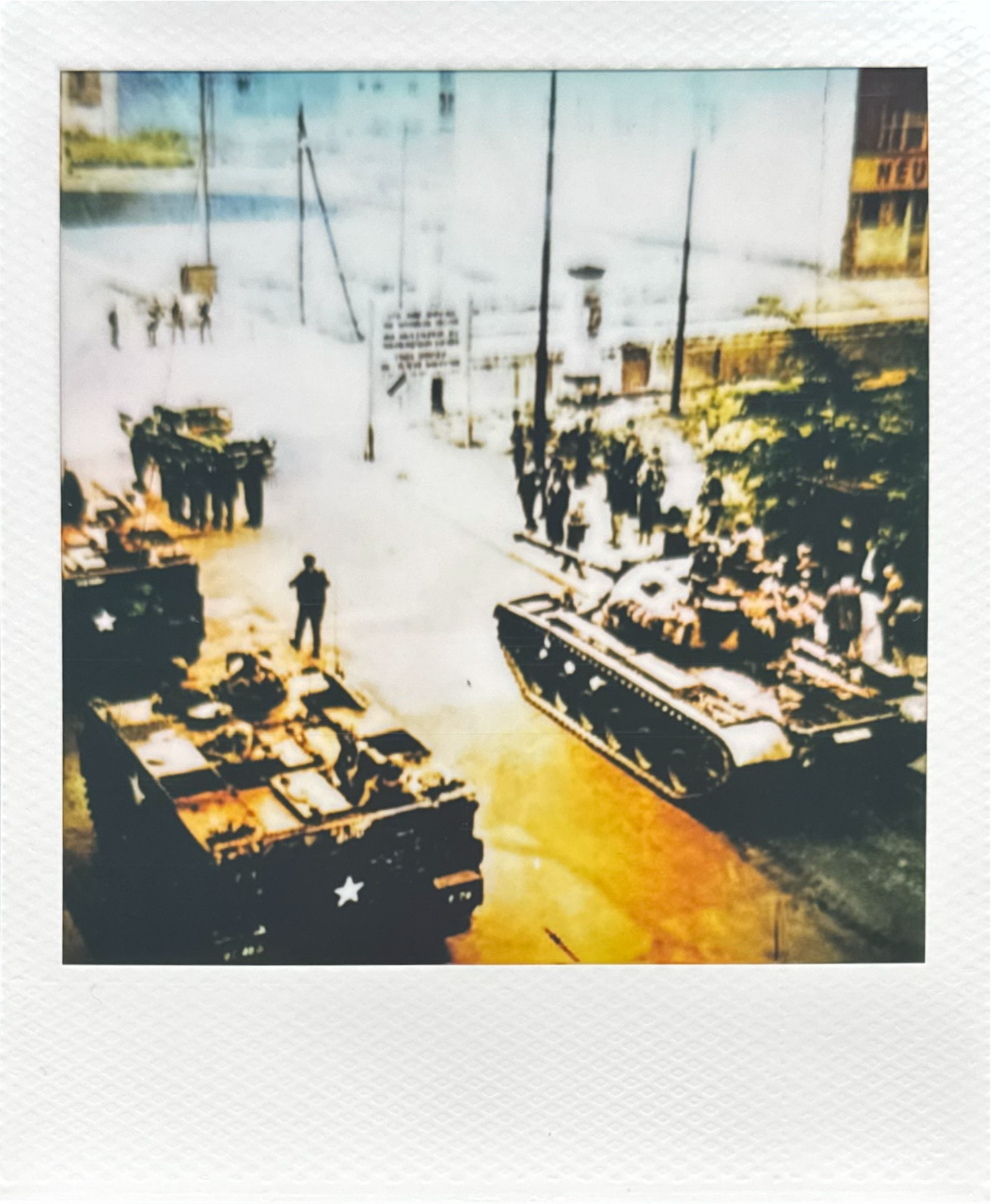
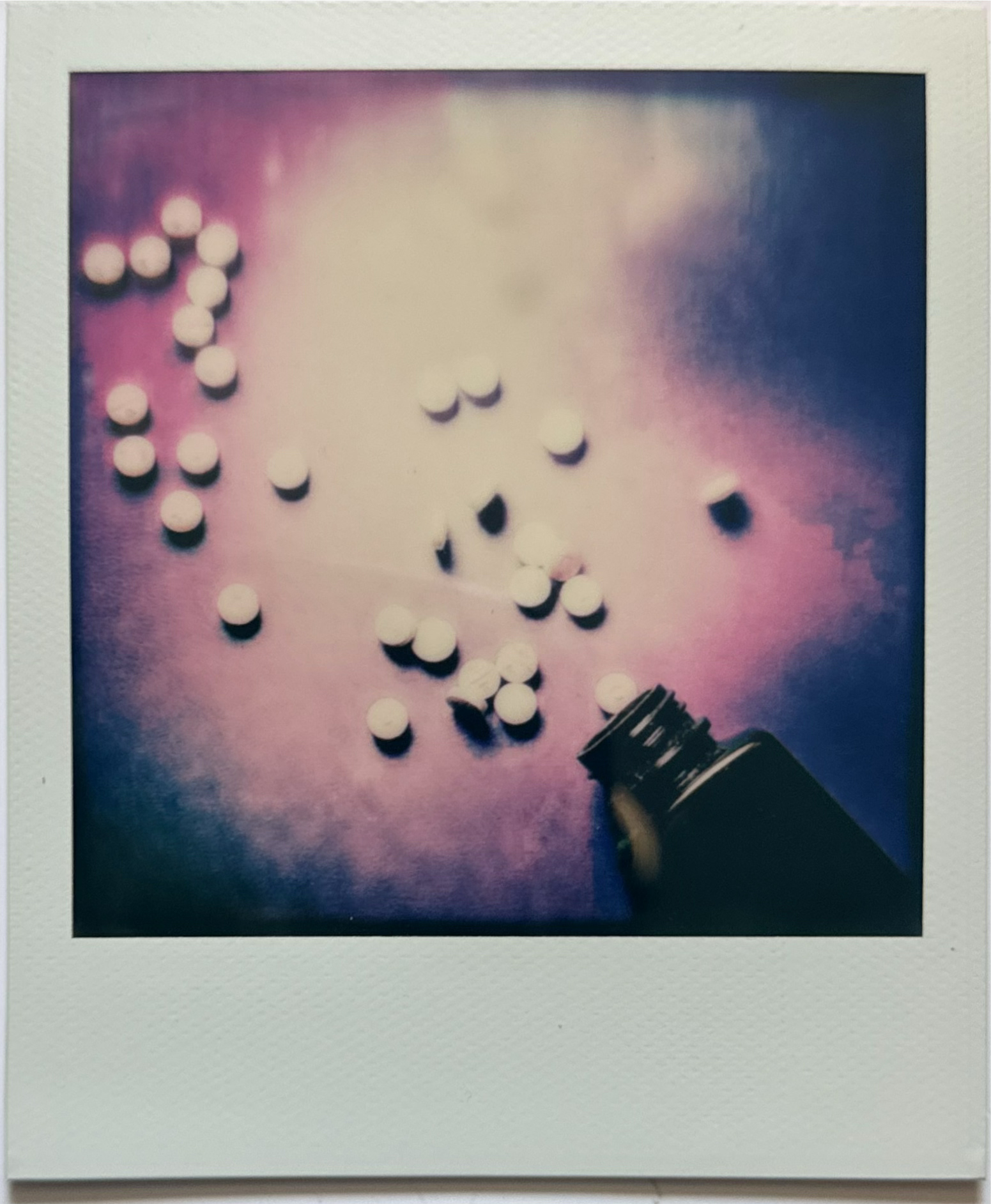
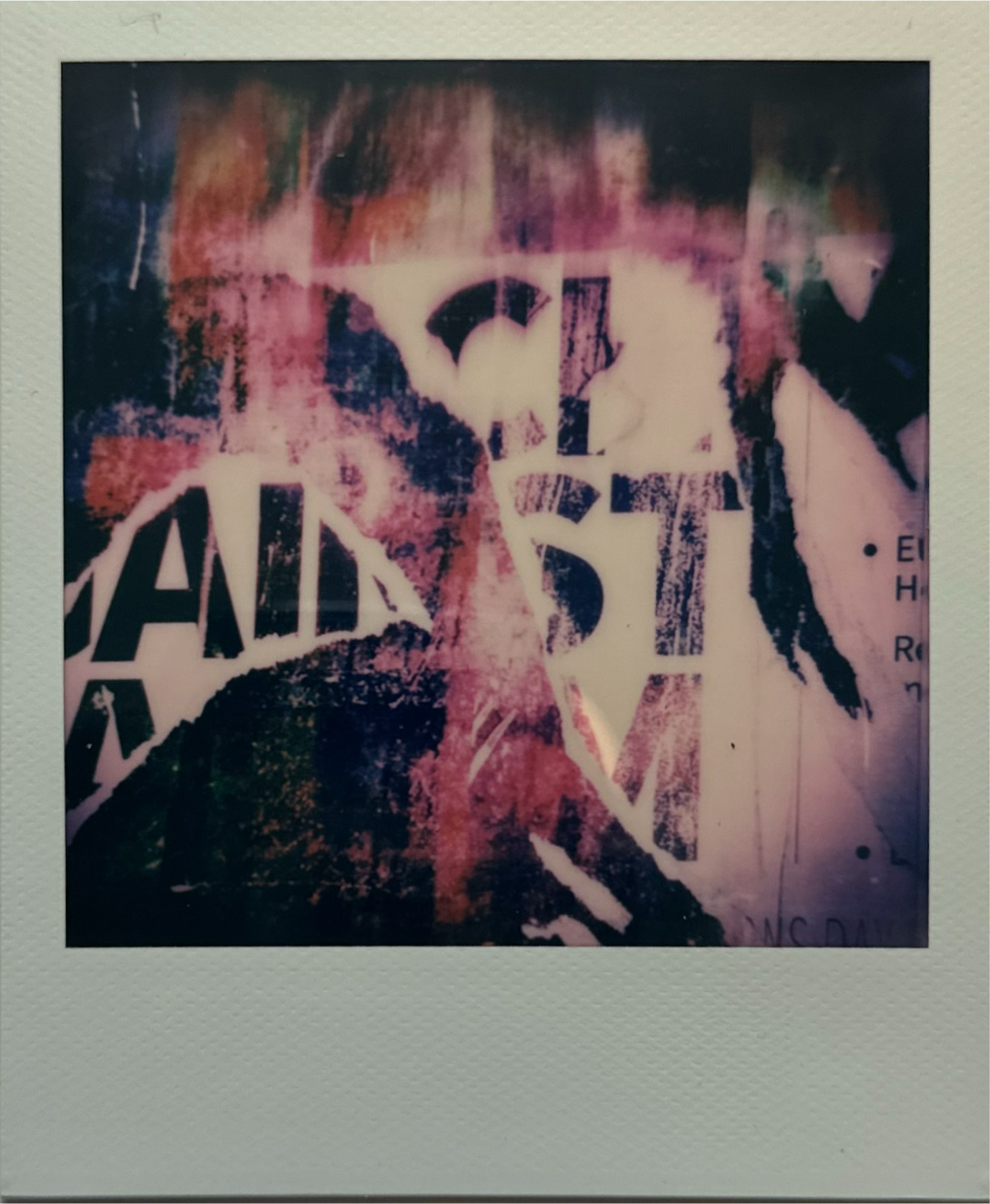
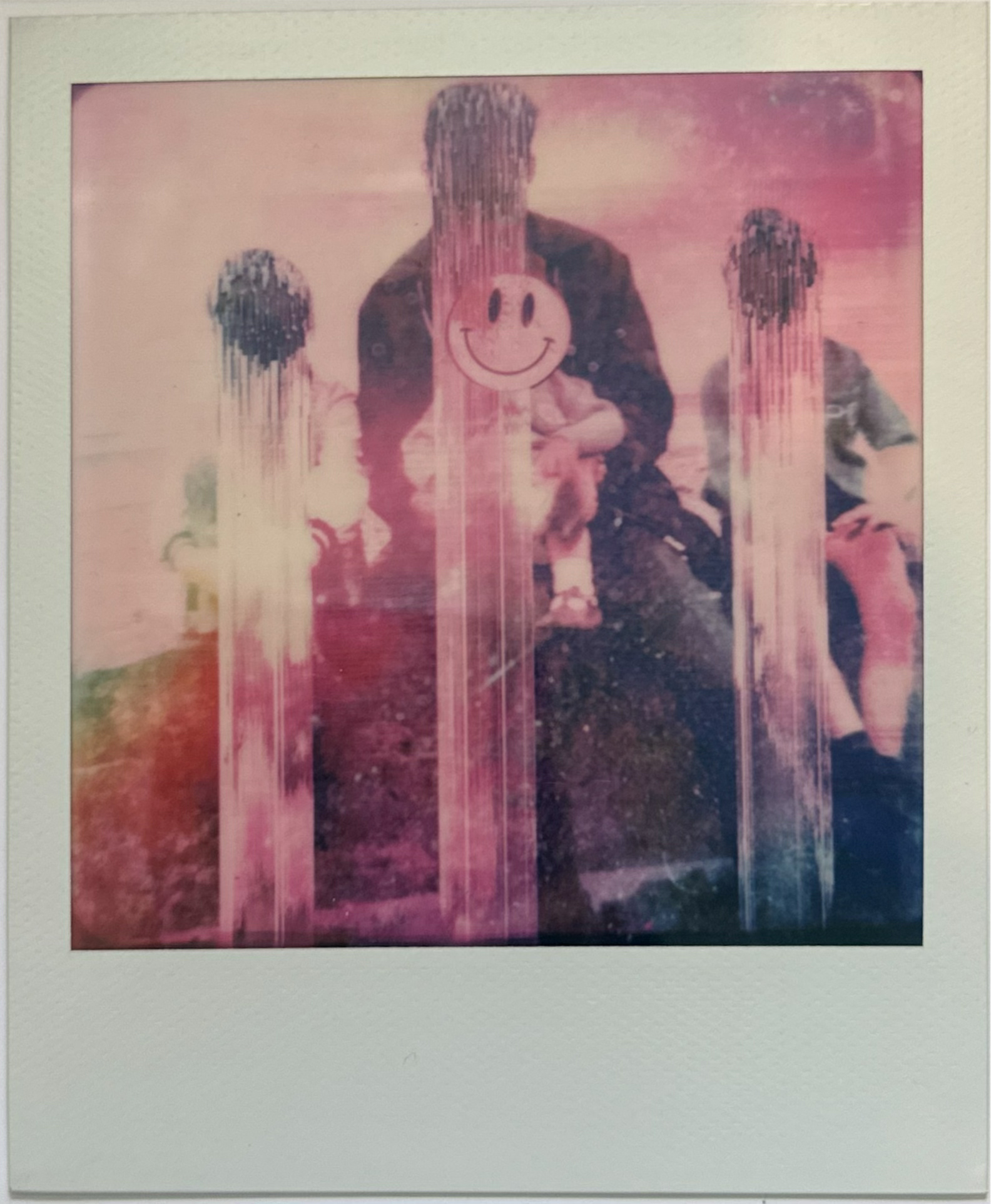
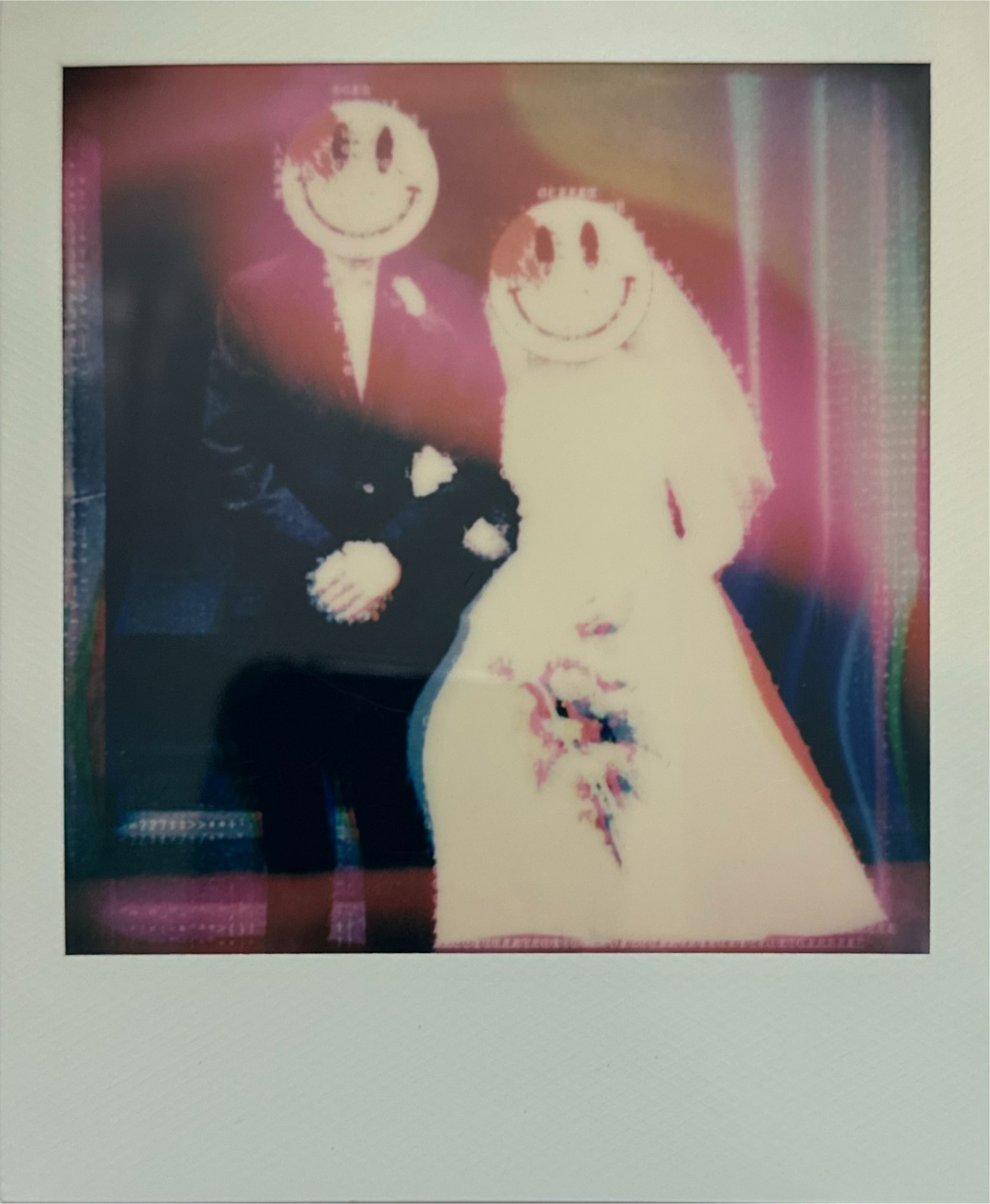
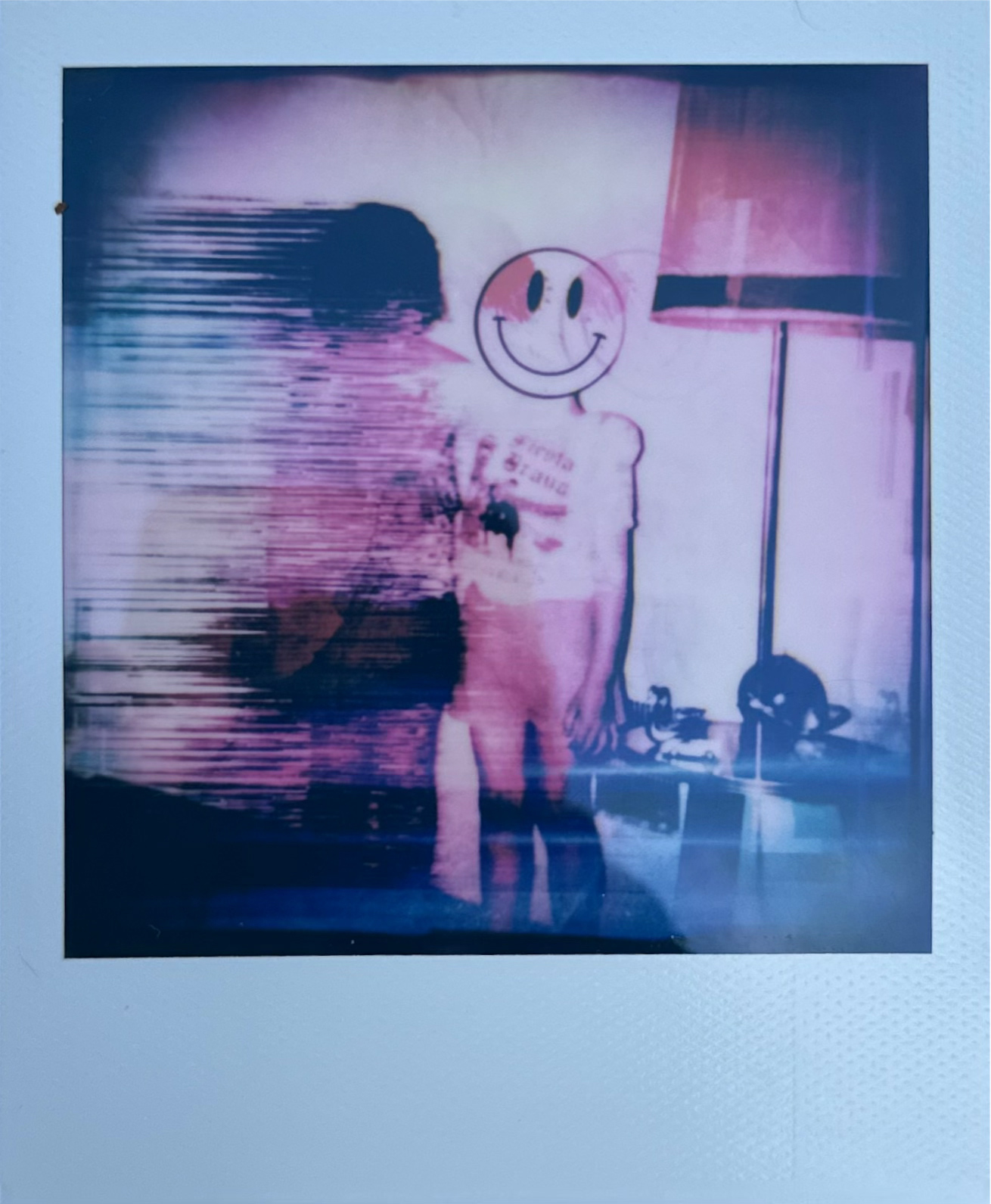
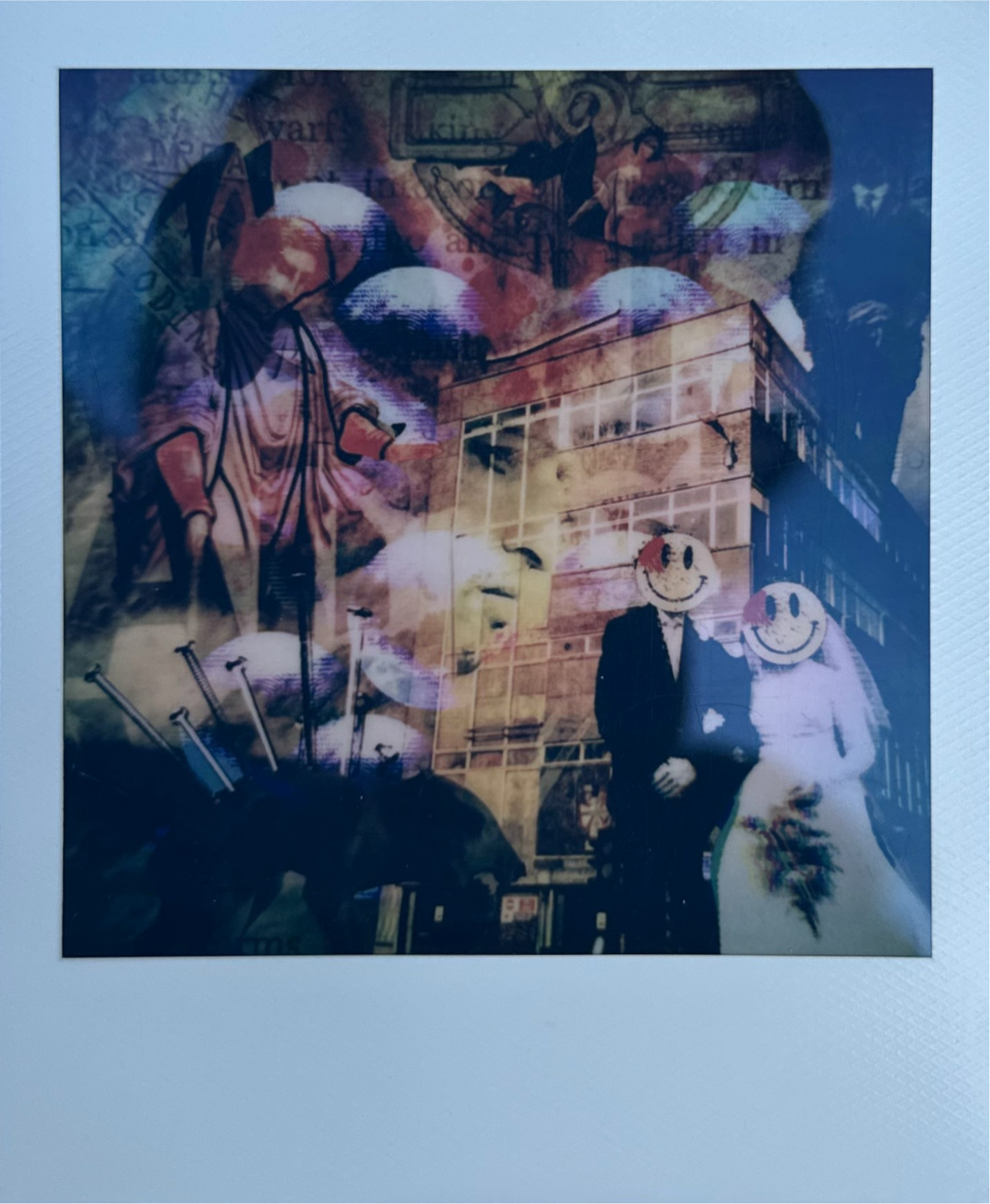
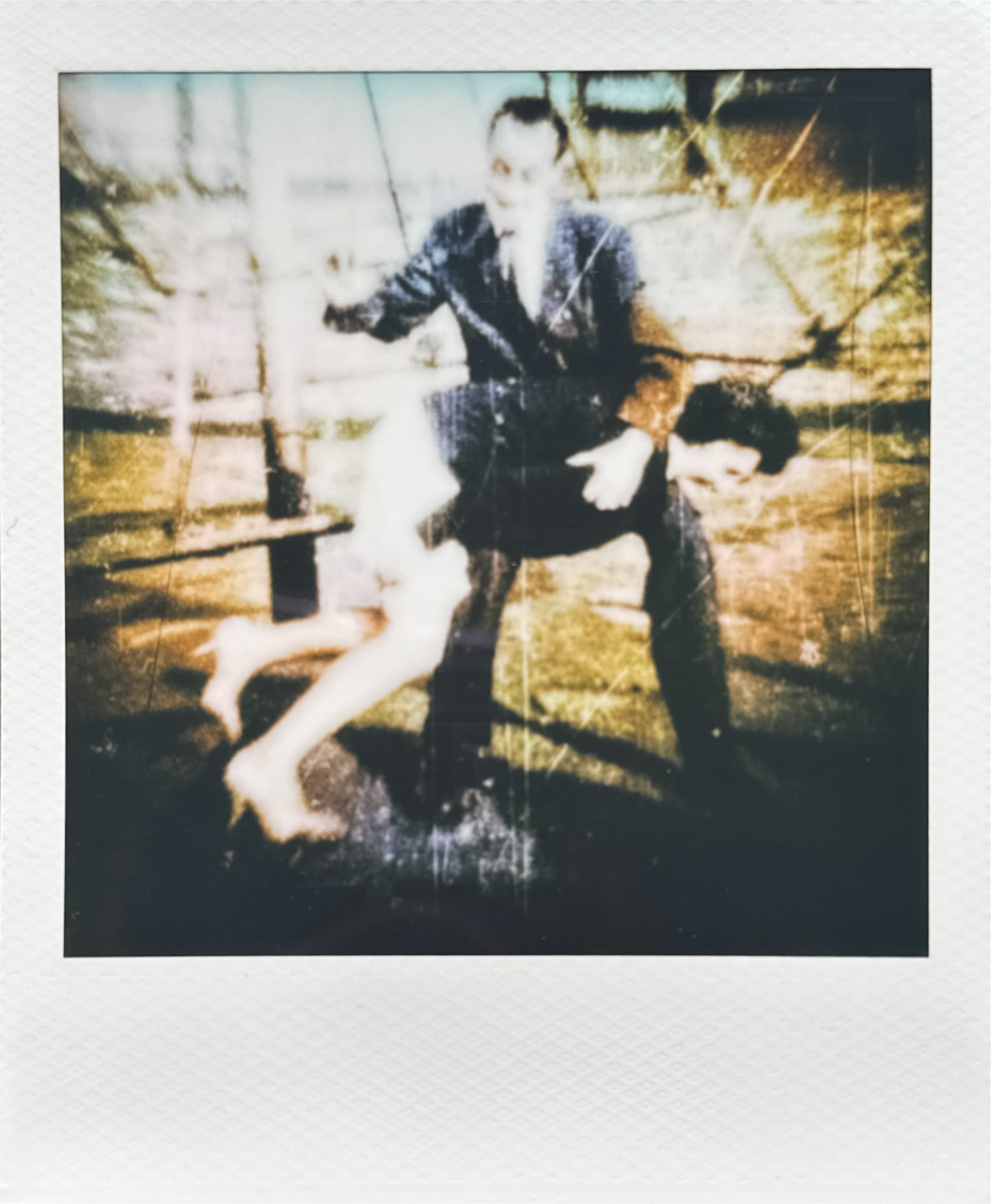
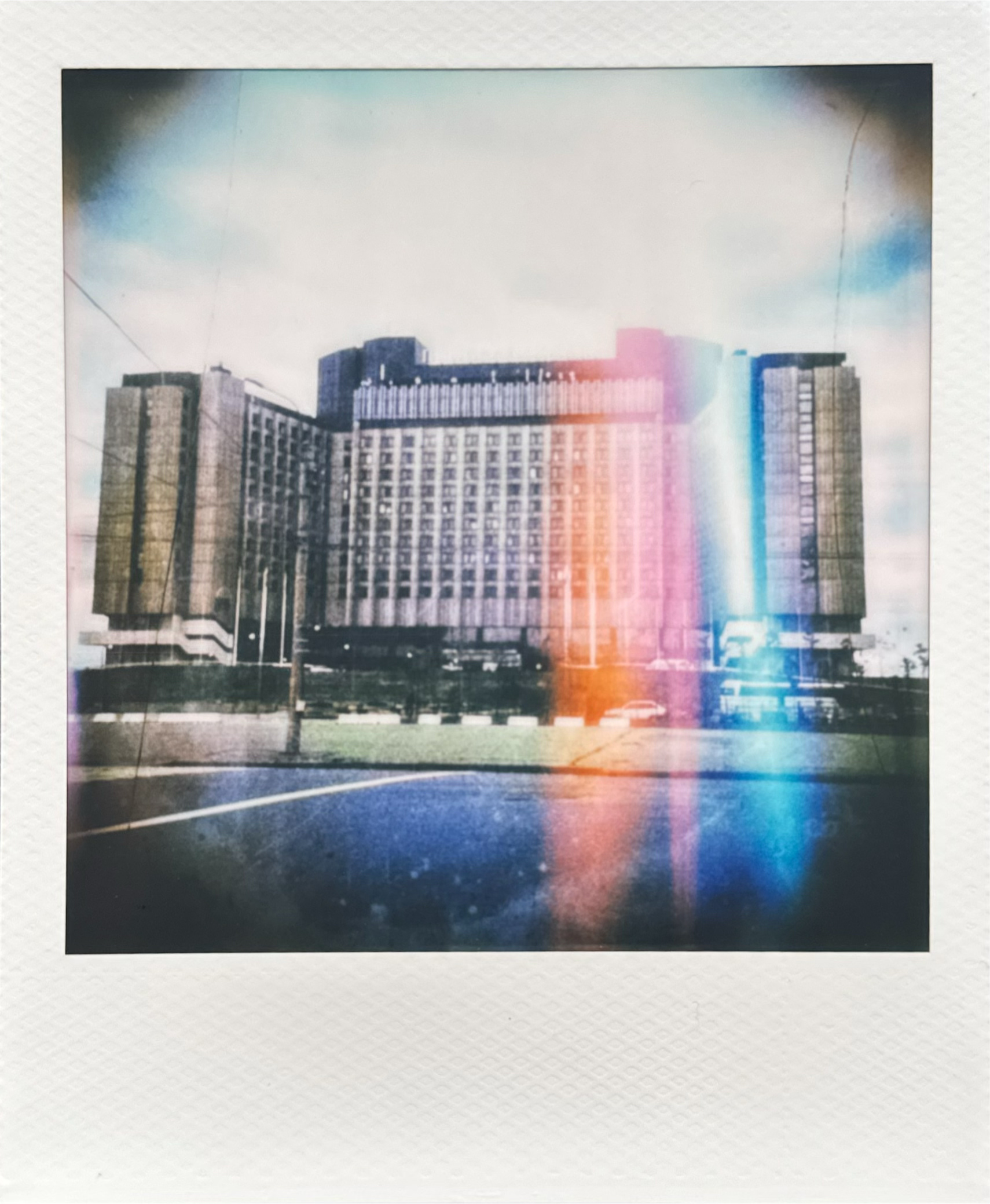
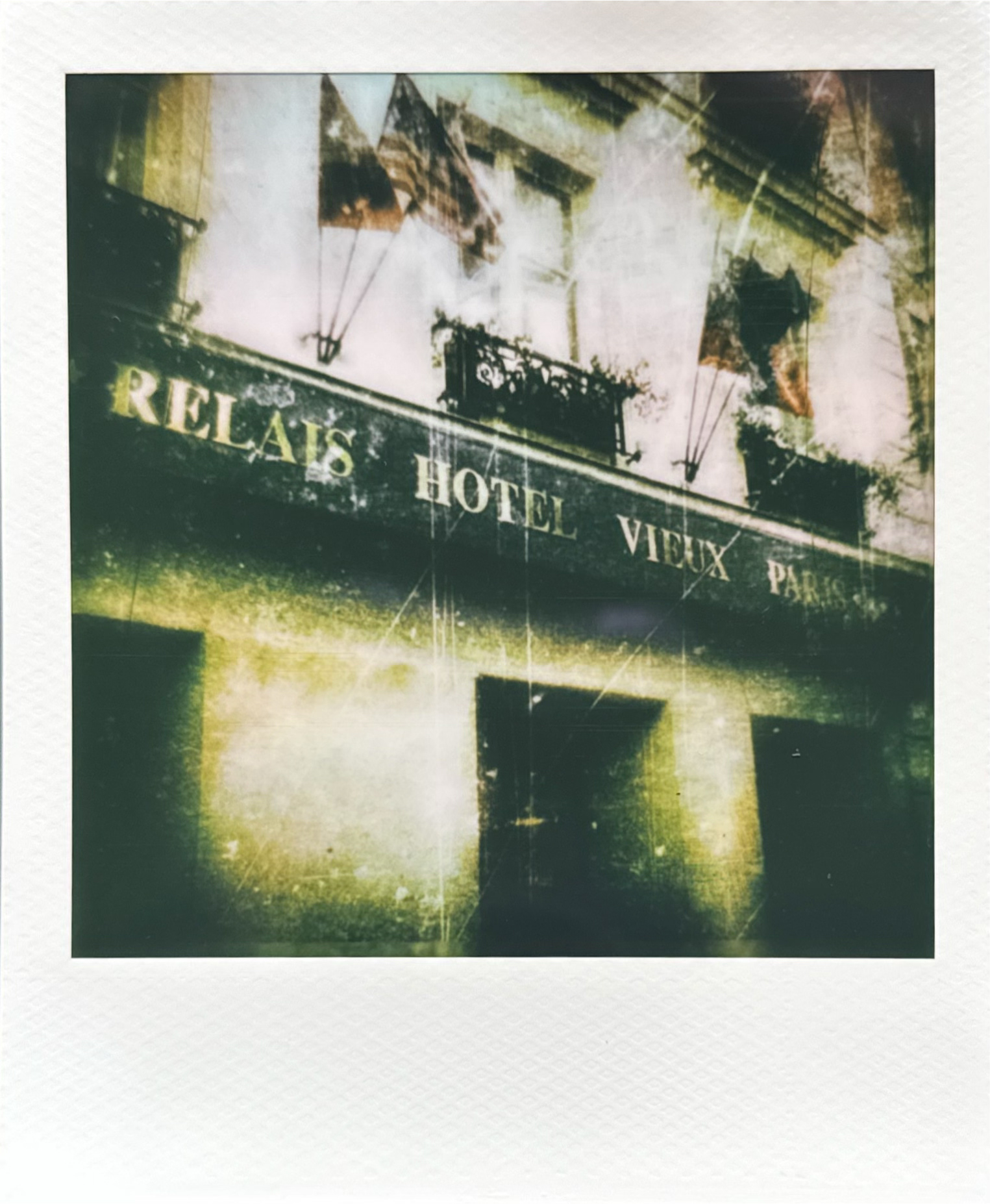
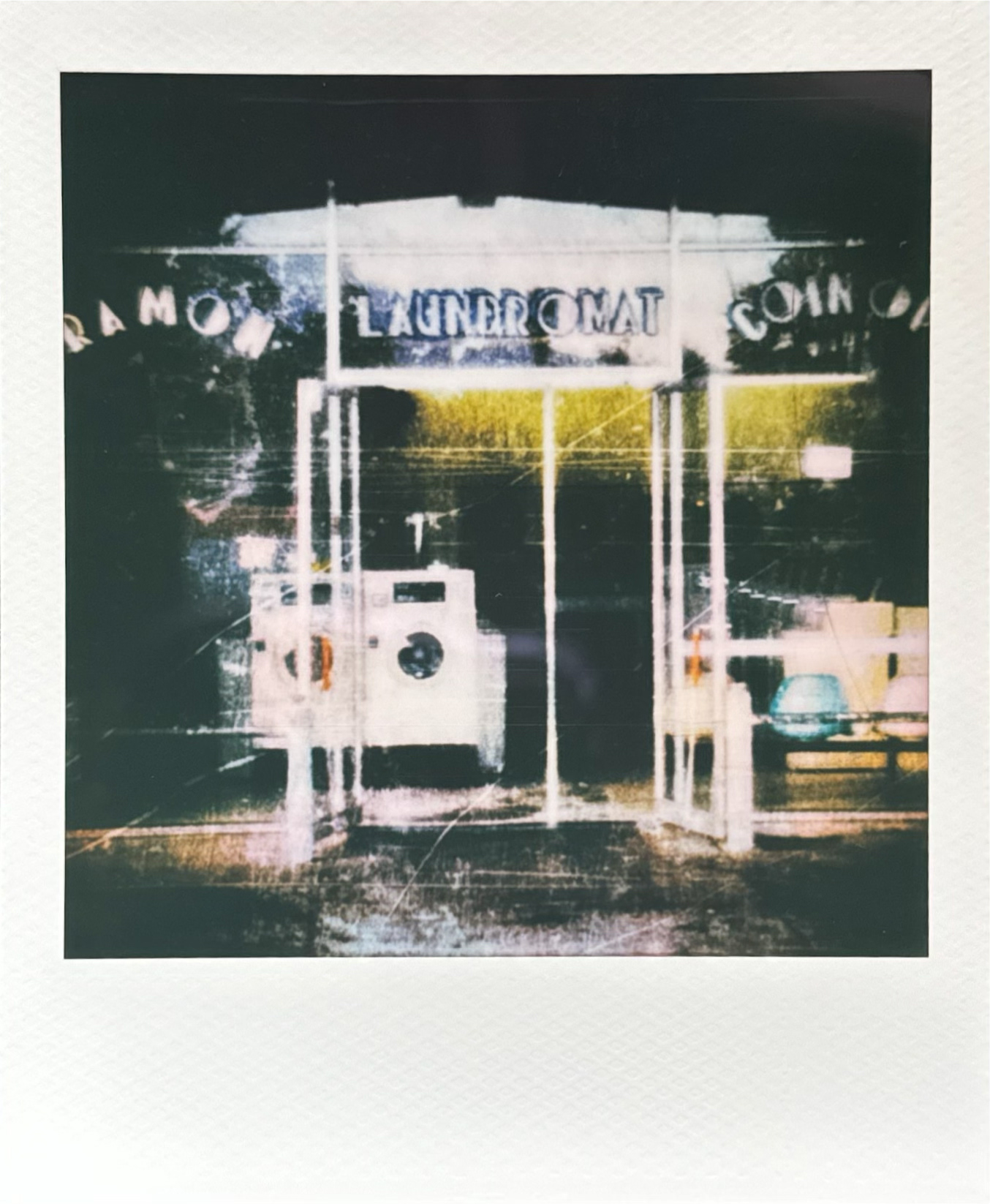
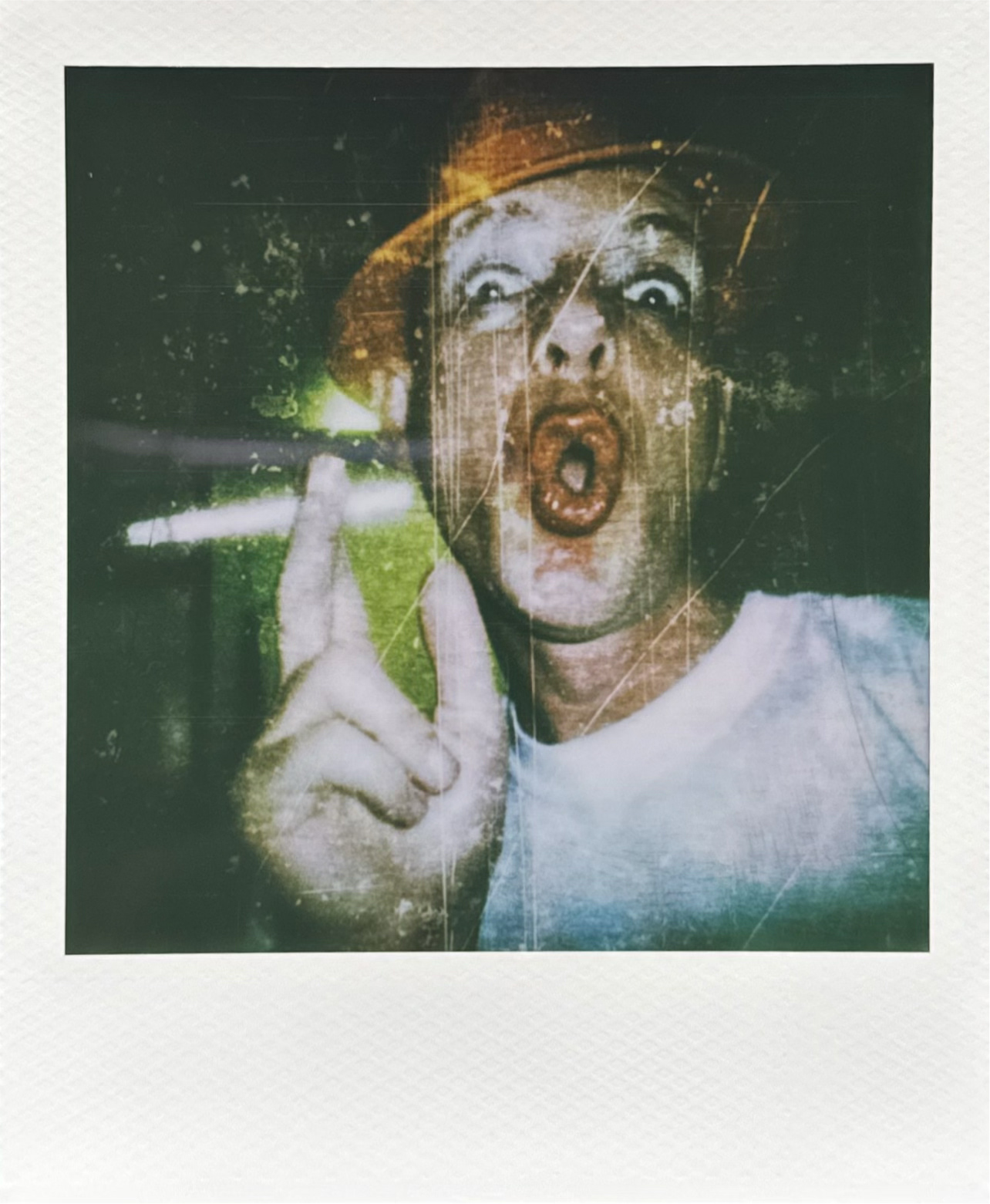
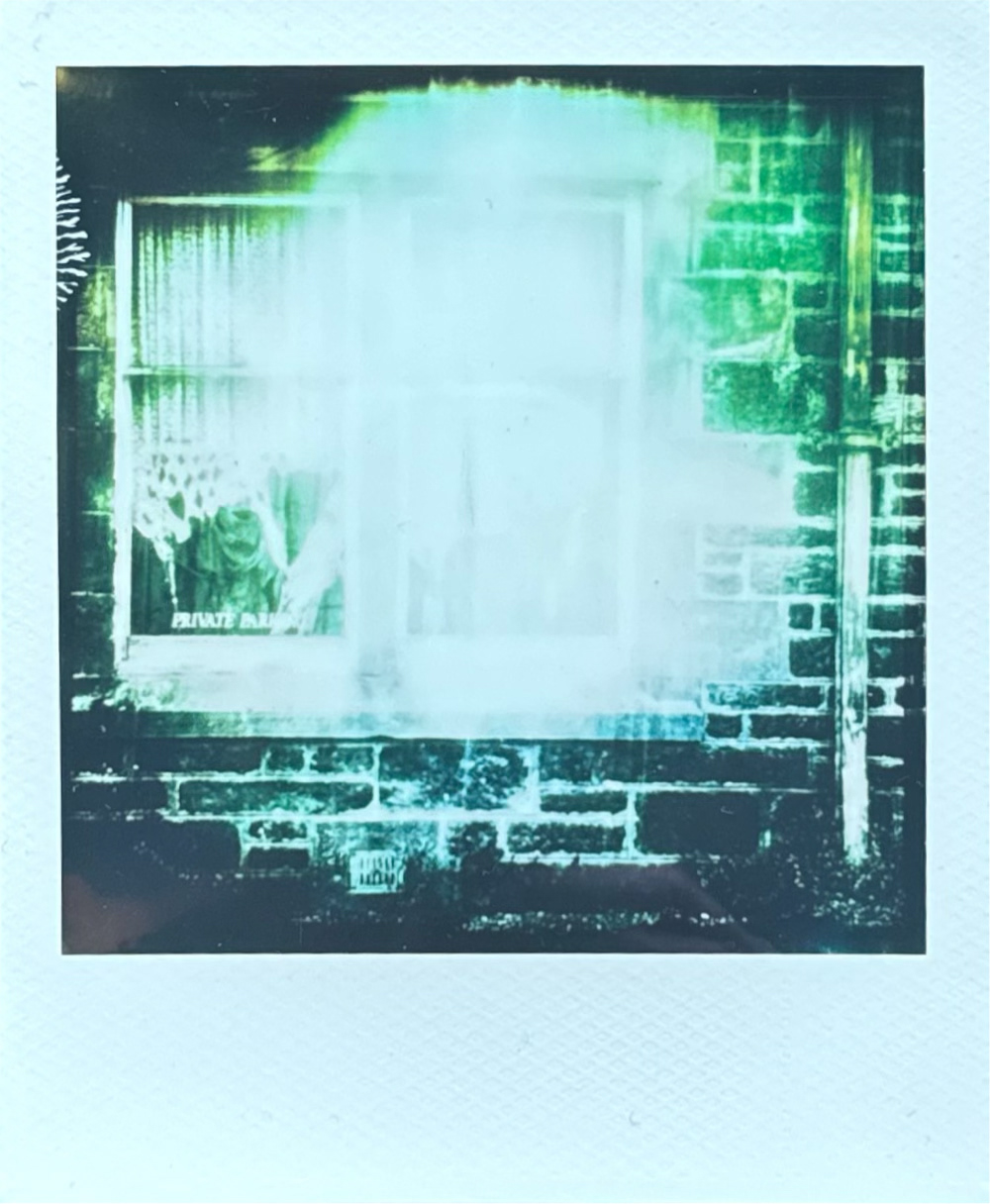
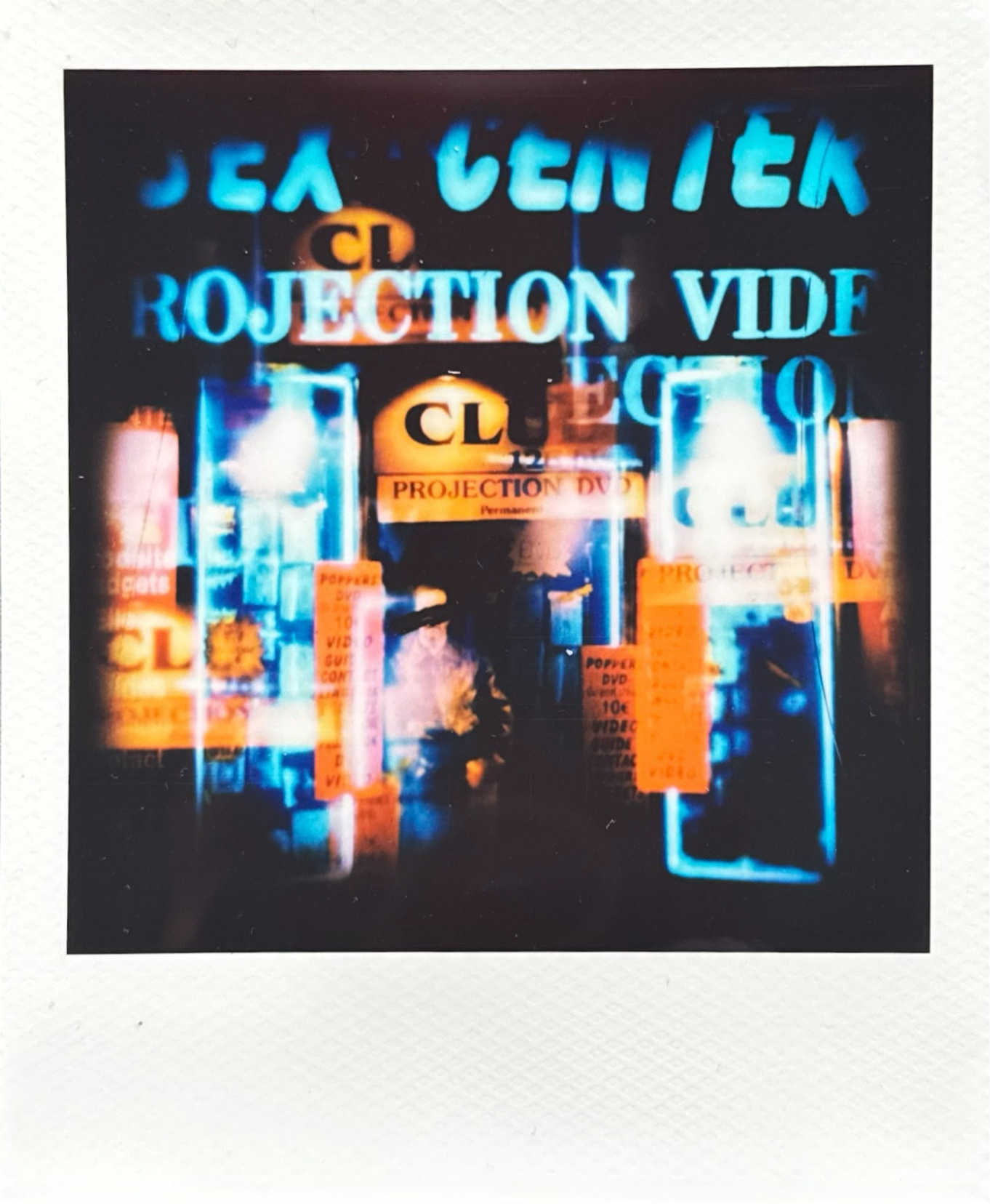
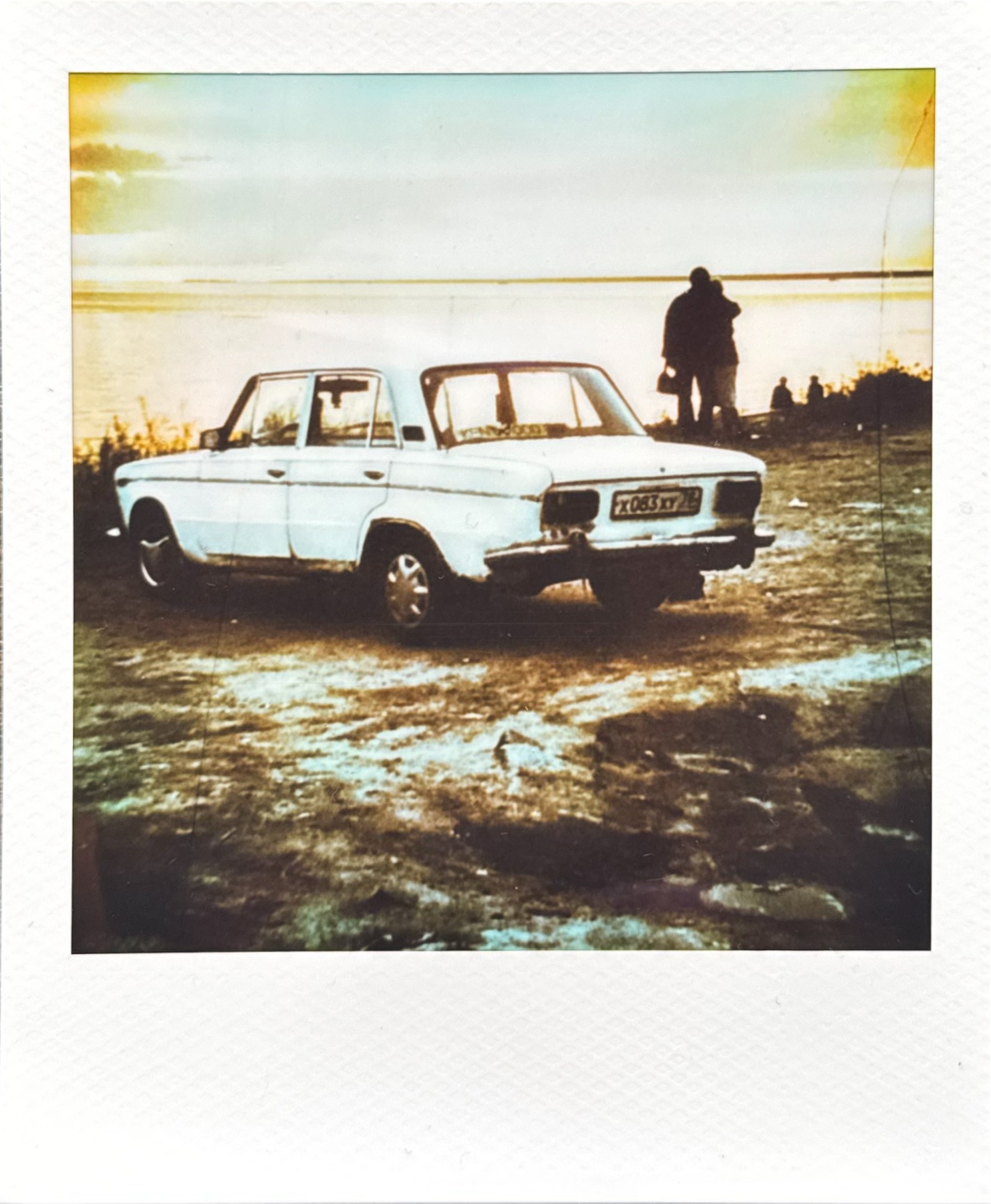
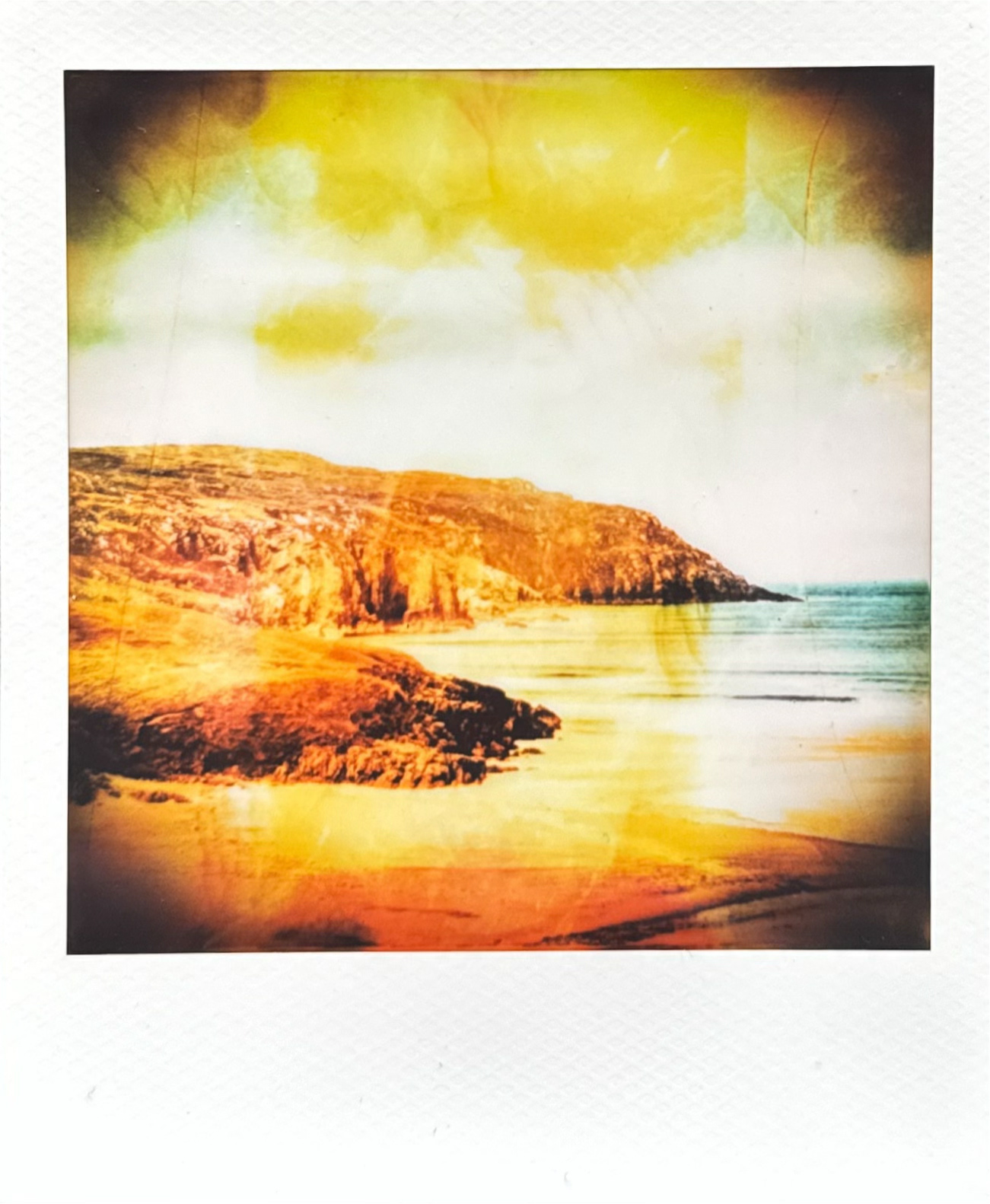
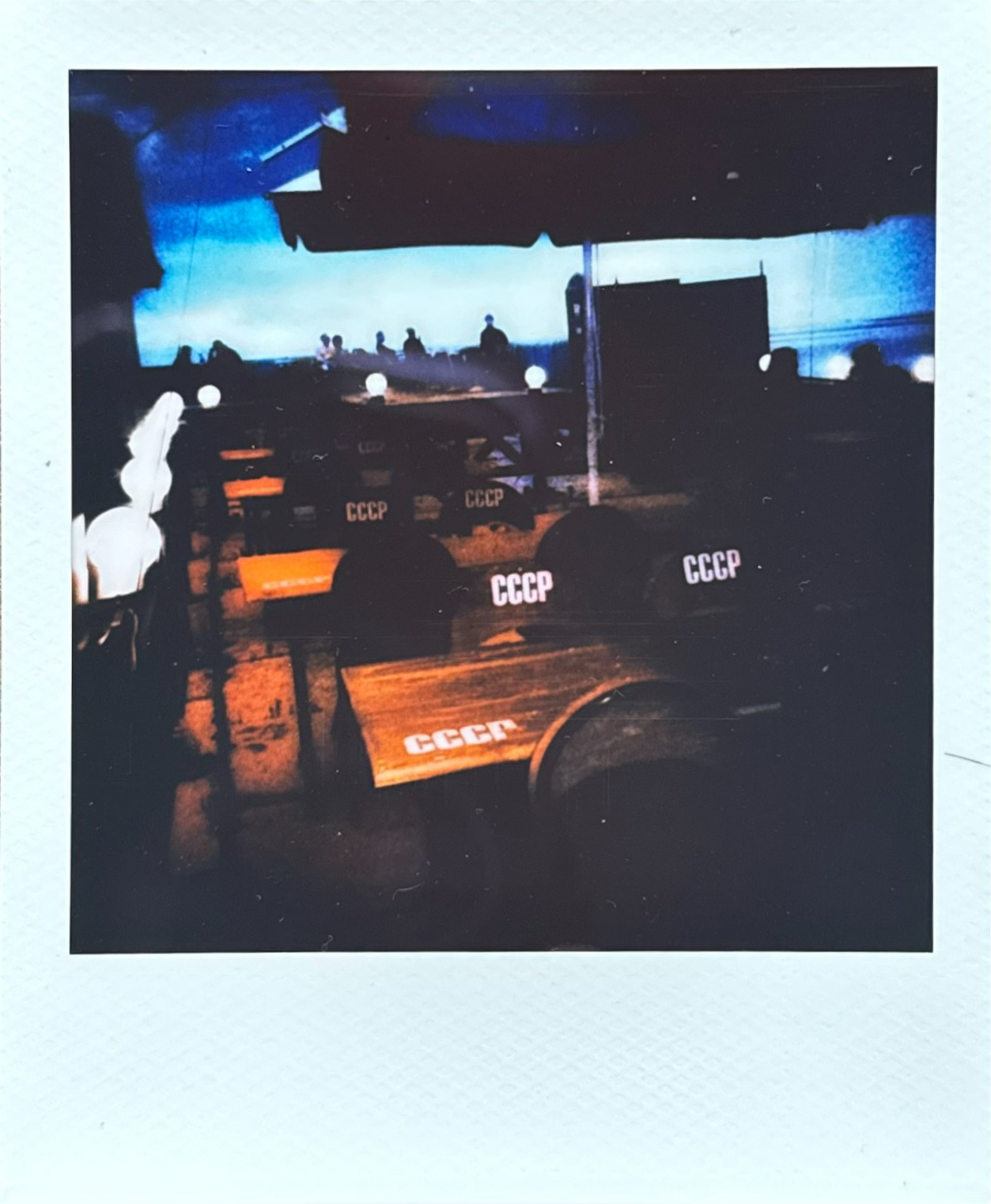
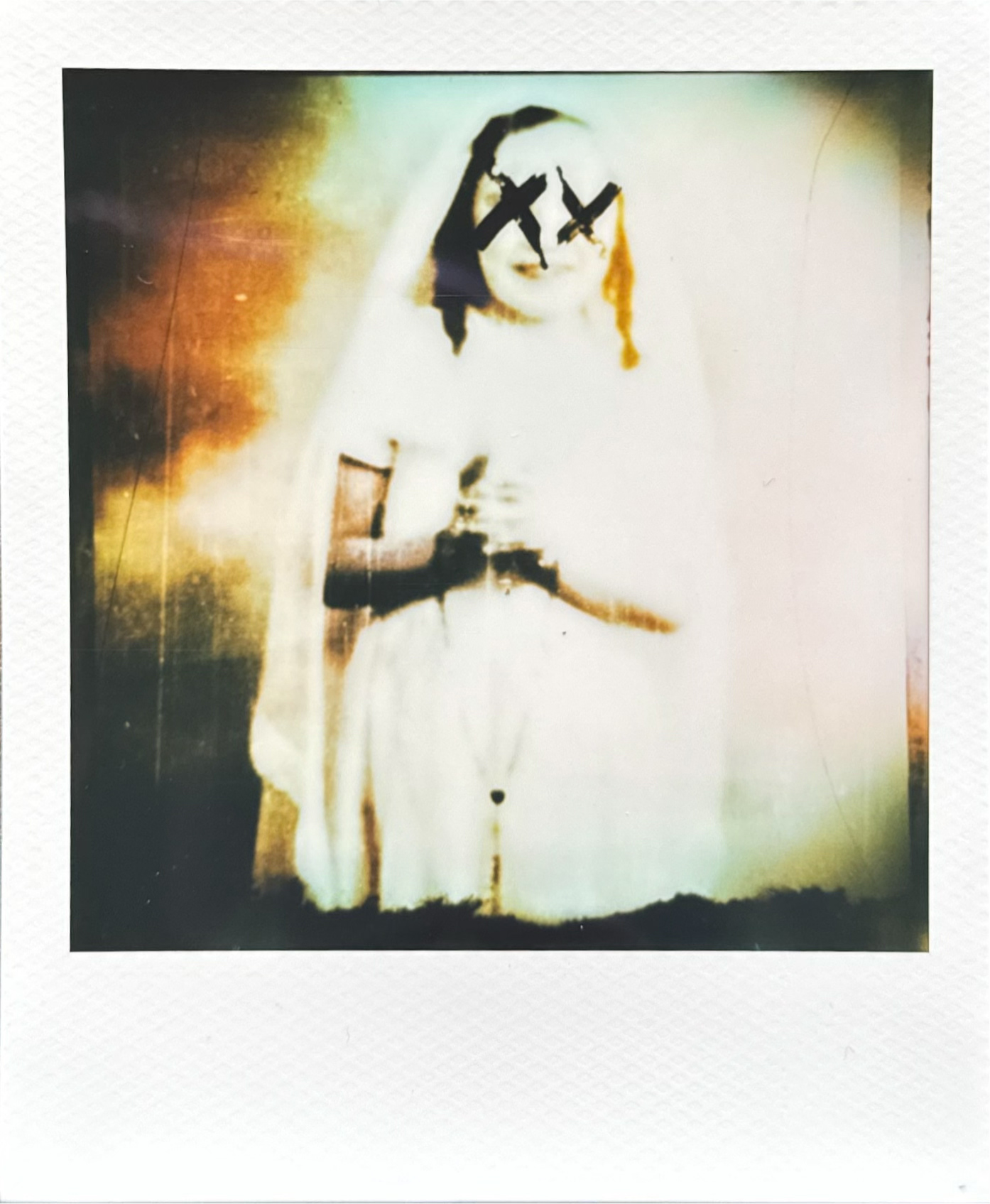
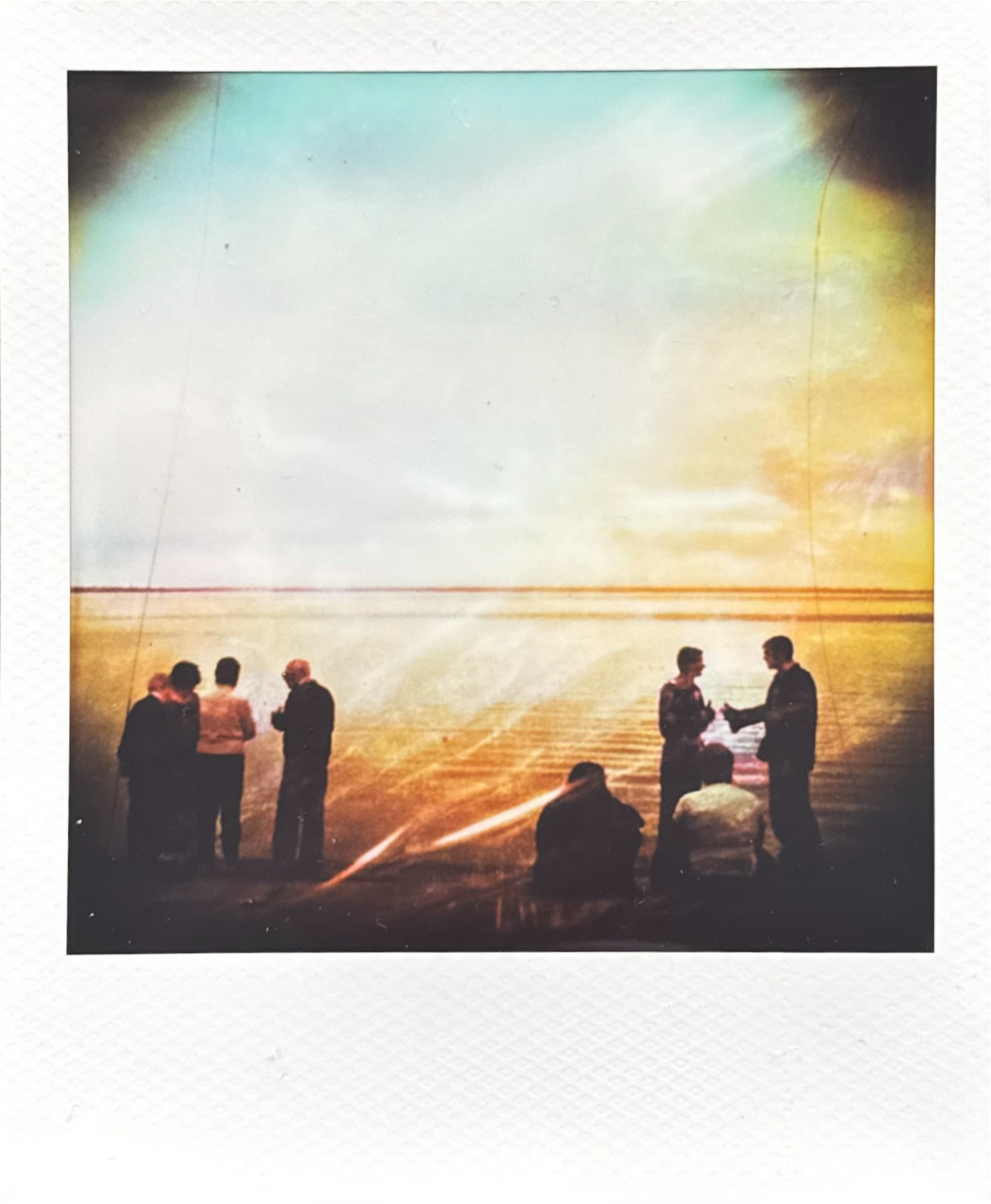
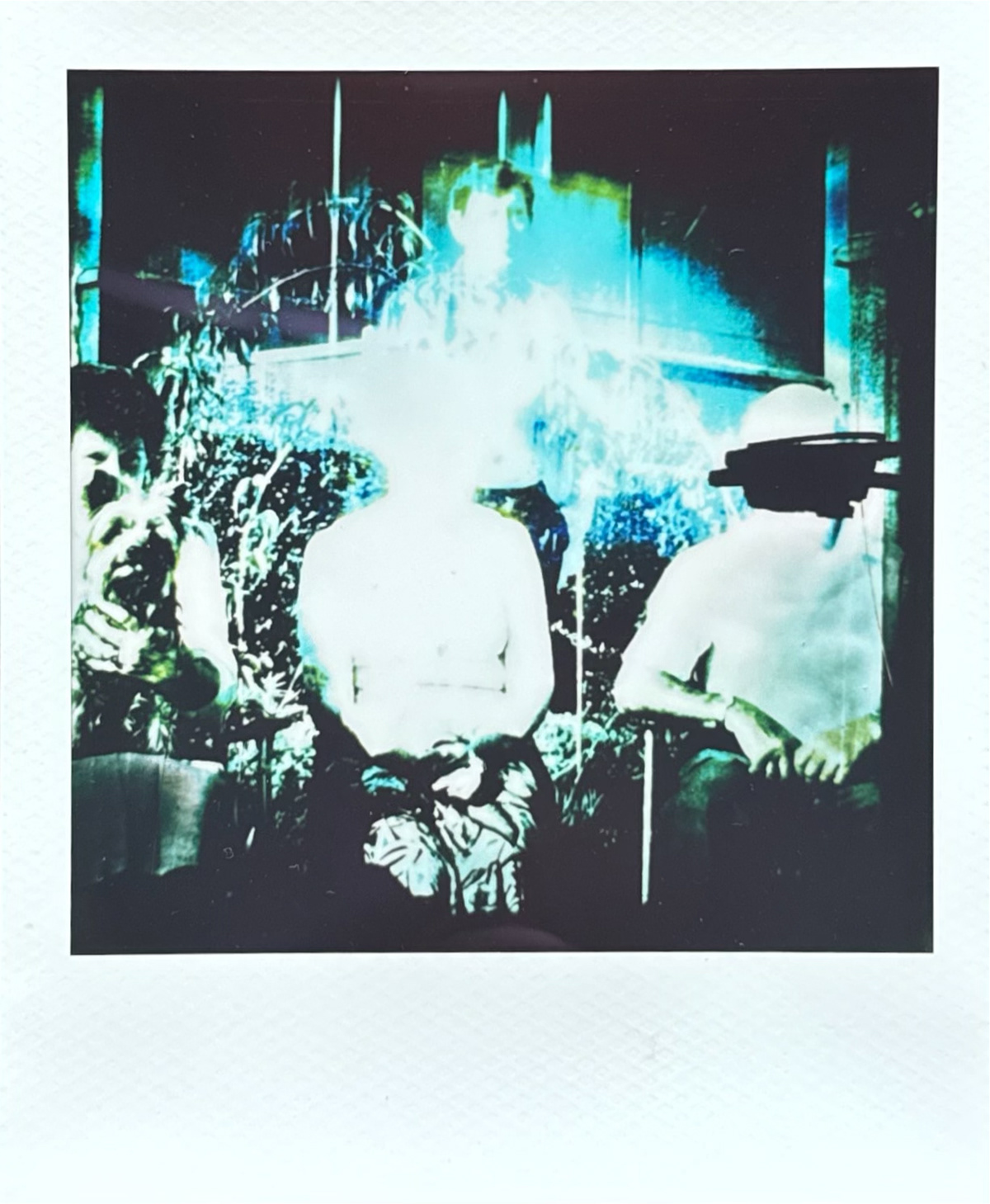
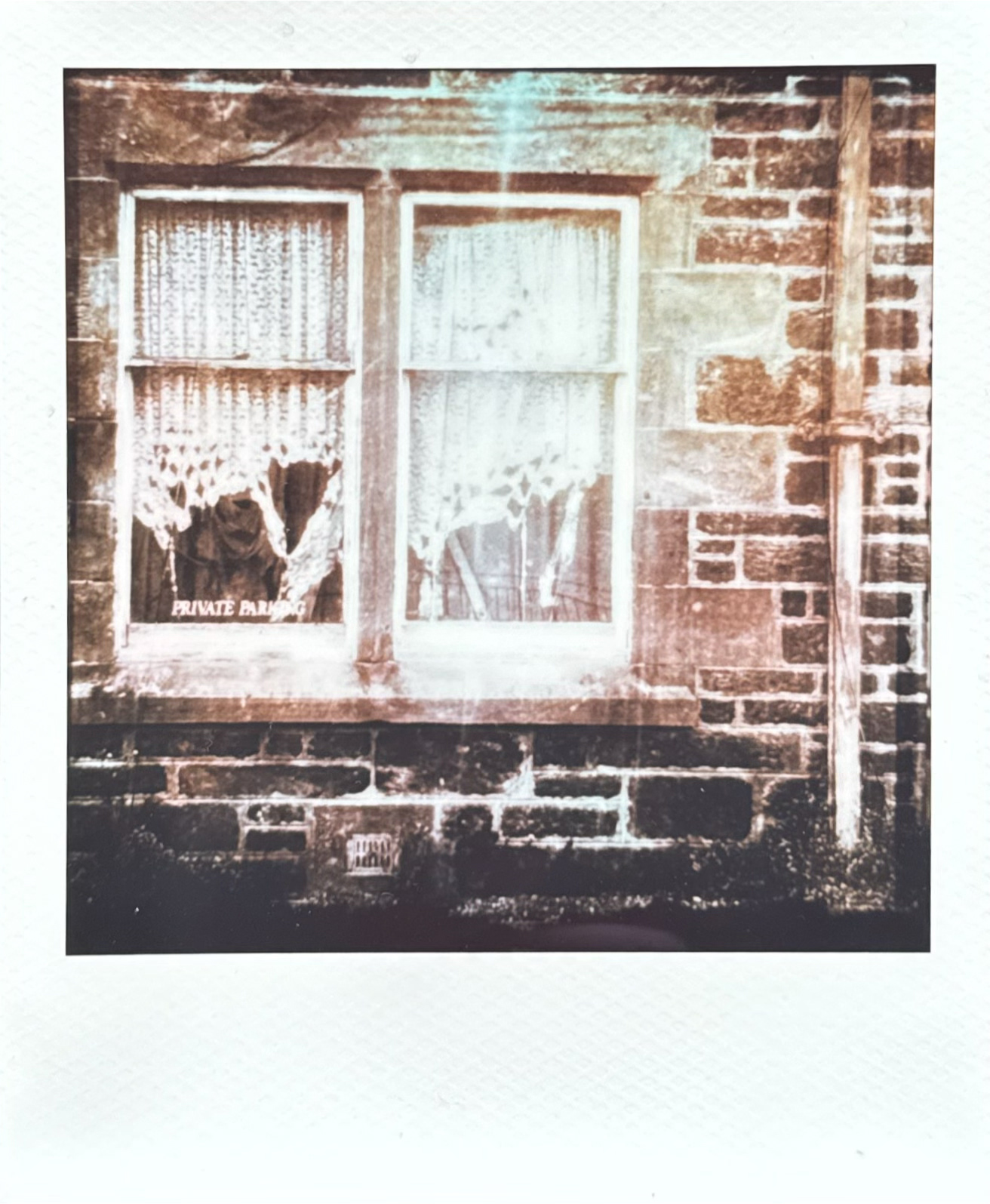
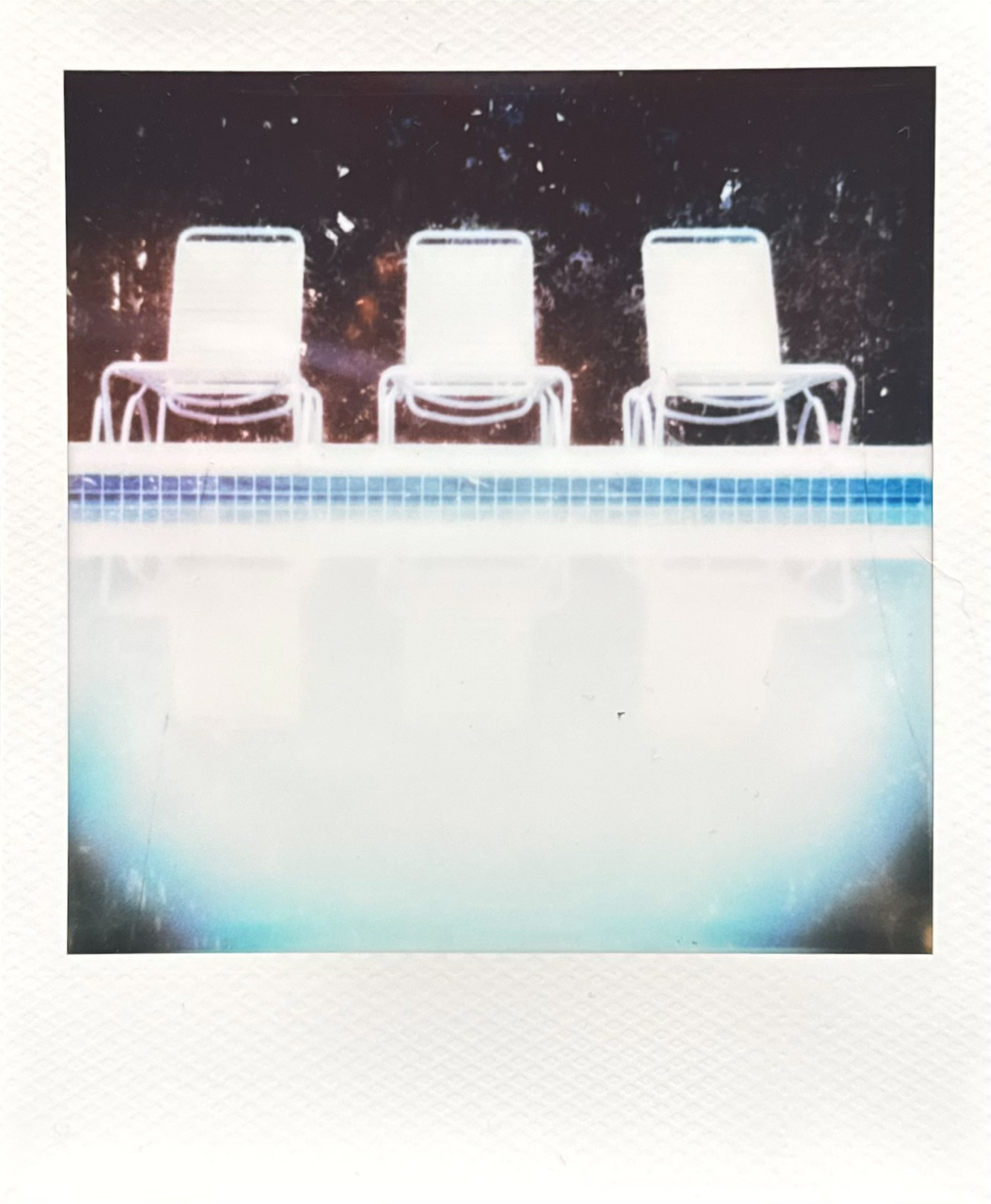
CALL ME WHEN YOU GET TO RENO. LOVE, JAYNE unfolds as a sequence of images in which narrative continually threatens to cohere, only to fracture under scrutiny. The work presents the visual conditions of a story: recurrence, proximity, consequence, and the suggestion of before and after, while withholding any stable account of what has taken place. Meaning accumulates in the gaps between images, generated not by the work itself but through the viewer’s desire to bind fragments into a legible whole.
Composed from found material and manipulated family photographs, the images occupy an unstable space between document, artefact and projection. Their surfaces are abraded, obscured, repeated and reworked. Photographs become photographs of photographs, increasingly detached from any secure relation to their original referents. What appears to be preserved is instead subject to drift. The image does not retrieve the past so much as register the repeated failures, revisions and inventions through which the past is made available.
A long-form ambient audio work extends this atmosphere across the installation. Rather than supplying a narrative soundtrack, it operates as a slow, unstable emotional register, shaping duration, attention and proximity. Its repetitions, tonal shifts and near-imperceptible transformations create a space in which the images can be encountered as fragments of a memory that is continually reforming.
Here, memory is approached not as a repository of experience but as a porous and performative archive. It is structured by omission, fantasy, repetition and the retrospective force of storytelling. The work stages a slippage between evidence and fiction, intimacy and estrangement, asking how photographs come to authorise the narratives imposed upon them. In doing so, it considers the photograph less as proof of what has been than as a site in which absence acquires form.
The installation operates as both elegy and proposition: a meditation on the persistence of images after their histories have become inaccessible, and on the uneasy comfort of the stories we build in their place. Remembering emerges as a kind of fabrication; forgetting is not its opposite, but one of its materials.